Japanese Street Food City by City: What to Eat and Where to Find It
Japanese street food represents some of the world's most flavorful and creative fast food, developed over centuries through urban food culture and regional experimentation. Unlike street food in many countries that prioritizes speed over quality, Japanese street food maintains standards of taste, cleanliness, and presentation even at humble food stalls. From Osaka's takoyaki (octopus balls) costing ¥500-¥800 ($3.45-$5.50) to Hiroshima's okonomiyaki priced ¥800-¥1,500 ($5.50-$10.35) to Tokyo's yakitori (grilled chicken skewers) at ¥200-¥500 ($1.38-$3.45) per skewer, street food offers authentic culinary experiences at accessible prices. Each city has distinctive street food specialties reflecting regional ingredients, cultural traditions, and historical development. This comprehensive guide explores Japan's major street food cities, identifying specific dishes, the best locations to eat them, prices, and practical tips for navigating street food culture like a local. Whether seeking quick meals between attractions or wanting immersive food experiences, street food provides flavor, economy, and cultural authenticity that upscale dining often lacks.
Understanding Japanese Street Food Culture
Japanese street food exists in unique cultural context where food stall operators are respected craftspeople maintaining family traditions or innovative entrepreneurs, not desperate workers taking any job. Many takoyaki stands have operated in identical locations for 30-50 years with recipes developed across generations. This cultural respect for food craft means street food quality in Japan is exceptional compared globally. Additionally, Japanese food safety standards are rigorously enforced—street food vendors must maintain health certifications and follow strict hygiene protocols. This combination of respect for craft and safety oversight creates street food environment where customers can eat confidently and encounter genuine quality.
Street Food Etiquette and Customs
- Payment: Most street food stalls are cash-only. Carry ¥5,000-¥10,000 ($34.50-$69) in bills and coins. Newer stalls increasingly accept IC cards (Suica/Pasmo).
- Ordering: Point at items or speak the food name. Staff appreciate attempts at Japanese language, but English menus are increasingly common.
- Eating: Eat standing at the stall (if seating is provided, use it). This is the authentic experience. Don't eat while walking between street stalls (considered impolite).
- Trash: Carry small bag for trash. Japanese streets have almost no public trash cans due to extensive recycling system. Packaged items often require customer removal of wrappers.
- Pushing In: Busy stalls can have 5-10 people waiting. Wait politely; don't push forward aggressively.
Osaka: Japan's Street Food Capital
Osaka has long been known as "Japan's kitchen," with locals prioritizing food enjoyment and experimentation. The city's street food culture is unmatched for variety, authenticity, and passionate food vendors. Key street food areas include Dotonbori (pedestrian avenue with food stalls), Shinsekai (older shopping district), and Kuromon Market. Budget allocation: ¥3,000-¥5,000 ($20.70-$34.50) per person for comprehensive street food sampling.
Takoyaki (Octopus Balls)
Osaka's most iconic street food, takoyaki are spherical battered fritters filled with diced octopus, tempura bits, pickled ginger, and scallions. Cooked in specialized half-moon pans, takoyaki is served 6-8 pieces per order for ¥500-¥800 ($3.45-$5.50). The exterior should be crispy while the interior remains creamy. Top takoyaki stalls serve takoyaki with takoyaki sauce (similar to Worcestershire), Japanese mayo, dried seaweed powder, and bonito flakes (which wave due to heat—theatrical and delicious).
Famous stalls: "Takoyaki Museum" in Dotonbori (7-floor building with 15+ takoyaki shops, representing different styles), "Aizuki" (famous for traditional preparation), "Creo-chan" (long-standing neighborhood favorite). Expect short waits at mid-morning or 3-4 PM; avoid lunch rush (11 AM-1 PM) and dinner (5-7 PM) for shortest waits.
Okonomiyaki (Savory Pancakes)
Okonomiyaki are thick pancakes filled with shredded cabbage, meat or seafood, and batter, cooked on large flat griddles (teppan). The name means "cook what you like," allowing customization. Osaka-style okonomiyaki layers ingredients, while Hiroshima-style stacks them (see Hiroshima section). Okonomiyaki costs ¥800-¥1,500 ($5.50-$10.35) depending on ingredients and size. Watch skilled chefs prepare okonomiyaki—the chopping, layering, and flipping is entertaining and impressive.
Famous stalls/restaurants: "Kiji" (institution since 1945, multiple locations), "Okonomiyaki Kiji" (casual standing counter), "Torikizoku" (chain offering okonomiyaki alongside yakitori). Kiji's experience includes watching chefs at counter while waiting.
Okonomiyaki Variations
- Modan-yaki: Okonomiyaki topped with fried egg (additional ¥100 / $0.69)
- Negi-mayo: Okonomiyaki with abundant green onions and mayo
- Kimchi-okonomiyaki: Korean-influenced version with kimchi (¥1,200 / $8.28)
- Mochi-okonomiyaki: Okonomiyaki with mochi (rice cake) inside for chewy texture (¥1,200 / $8.28)
Kushikatsu (Deep-Fried Skewers)
Kushikatsu are skewered items (meat, seafood, vegetables, even cheese and mochi) dipped in batter and deep-fried. Served 5-12 pieces per order for ¥1,000-¥1,500 ($6.90-$10.35), kushikatsu comes with tonkatsu sauce (thick brown sauce) and mustard. The experience includes the unspoken rule: never double-dip sauce. Instead, each kustkikatsu is dunked once in shared sauce pot. Double-dipping violates sacred Osaka street food etiquette.
Famous areas: "Shinsekai District" has dense clusters of kushikatsu stalls. "Daruma" is legendary (multiple locations). "Kushikatsu Daruma" is the formal restaurant version (¥2,000-¥3,500 / $13.80-$24.15 per person) with higher-quality ingredients and service.
Takoyaki vs. Okonomiyaki: Strategic Eating Plan
Both are Osaka staples but eating both same day can feel overstuffing—both are rich and filling. Strategy: eat takoyaki in afternoon (3-5 PM) as light snack and okonomiyaki for dinner. This allows sampling both without excessive fullness.
Tokyo: Diverse Street Food Scene
Tokyo's street food scene is less iconic than Osaka's but more diverse, reflecting immigration and culinary innovation. Budget: ¥2,500-¥4,000 ($17.25-$27.60) per person for street food sampling.
Yakitori (Grilled Chicken Skewers)
Yakitori are small pieces of chicken (skin, breast, thigh, liver, heart) grilled on wooden skewers with simple seasoning (salt or tare sauce). Costs ¥100-¥400 ($0.69-$2.76) per skewer at casual stalls, ¥800-¥1,500 ($5.50-$10.35) at established restaurants. The simplicity emphasizes ingredient quality—superior chicken is immediately apparent.
Best areas: "Yurakucho" under the train tracks (yakitori alley with 20+ tiny stalls), "Shinjuku Omoide Yokocho" (memory lane with yakitori focus), "Yotsuya Izakaya" (neighborhood spots). Yurakucho is most atmospheric, packed with salarymen and tourists, highly social experience.
Yakitori Variations
- Negima: Chicken and green onion alternating on skewer
- Seseri: Chicken neck (tender, fatty, flavorful)
- Bonjiri: Chicken tail/rump (rich, premium cut)
- Hatsu: Chicken heart (chewy, unique texture)
- Reba: Chicken liver (rich, acquired taste)
Edamame and Gyoza as Yakitori Accompaniments
Yakitori is traditionally consumed with edamame (boiled soybeans in salt, ¥300-¥500 / $2.07-$3.45) and gyoza (pan-fried dumplings, ¥500-¥700 / $3.45-$4.83). This trio—yakitori, edamame, gyoza—represents classic Tokyo street food pairing.
Ramen from Street-Level Shops
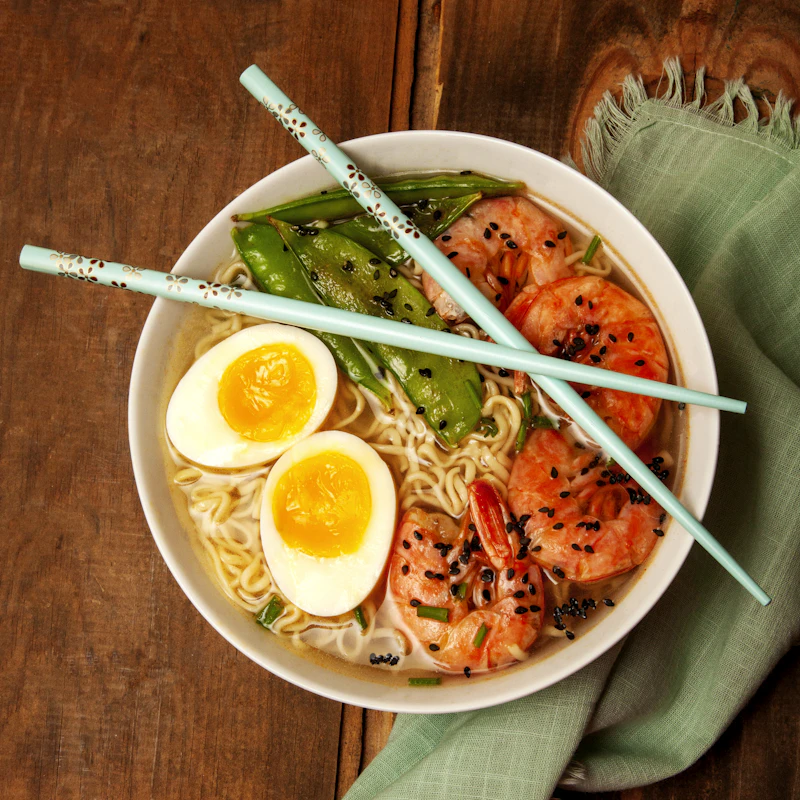
Tokyo has casual ramen shops (distinct from sit-down restaurants) where you order from vending machines and eat standing. Ramen costs ¥700-¥1,000 ($4.83-$6.90). "Ippudo" is famous chain with vending machine ordering (available nationwide). The experience is quick and social—you stand, eat, finish, and depart within 10-15 minutes.
Taiyaki (Fish-Shaped Cakes)
Taiyaki are fish-shaped cakes filled with sweet red bean paste (anko). Cooked in specialized fish-shaped molds, taiyaki are served fresh (¥150-¥300 / $1.03-$2.07 per cake). Some shops offer variations: custard cream filling (¥250 / $1.72), chocolate (¥250 / $1.72), matcha (¥300 / $2.07). "Naniwaya" in Nihonbashi is famous historic taiyaki shop. Taiyaki is warm when served, making eating immediately essential.
Kyoto: Traditional Street Food
Kyoto's street food reflects thousand-year-old temple and aristocratic food traditions. Food stalls emphasize authenticity and historical recipes. Budget: ¥2,000-¥3,500 ($13.80-$24.15) for street food sampling.
Yudofu (Tofu Hot Pot)
Though technically not street food (eaten at restaurants), yudofu deserves mention as quintessential Kyoto experience. Tofu cooked in bubbling hot pot dipped in dipping sauce, costs ¥1,500-¥3,000 ($10.35-$20.70) for full meal. "Okutan Kiyomizu" (near Kiyomizu Temple, ¥2,500 / $17.25) and "Hyotei" (¥2,000-¥4,000 / $13.80-$27.60) are famous. The minimalist presentation emphasizes ingredient quality.
Yatsuhashi (Cinnamon Sweets)
Yatsuhashi are thin, cinnamon-flavored sweets made from mochiko (sweet rice flour) and traditionally shaped like leaves. Costs ¥150-¥300 ($1.03-$2.07) per piece. Available at all Kyoto souvenir shops and some street stalls near temples. These are gift-appropriate and shelf-stable (lasting weeks), making them popular souvenirs.
Dango (Dumpling Sweets)
Dango are small round dumplings made from mochiko, served on skewers (usually 3 dumplings per skewer) for ¥250-¥500 ($1.72-$3.45). Flavors include miso, anko (bean), and sesame. "Daimonji" near Kiyomizu Temple is famous. Dango is eaten warm or at room temperature.
Matcha Items
Kyoto matcha is world-famous. Street vendors sell matcha ice cream (¥600-¥1,000 / $4.14-$6.90), matcha lattes (¥700-¥1,200 / $4.83-$8.28), and matcha pastries. These are more touristy than authentic street food but provide Kyoto tea culture experience. "Matcha DNA" and similar shops are concentrated near tourist areas.
Hiroshima: Okonomiyaki Capital
Hiroshima-style okonomiyaki differs from Osaka style—layers stack rather than mix. Budget: ¥1,500-¥2,500 ($10.35-$17.25) per okonomiyaki.
Hiroshima-Style Okonomiyaki
Hiroshima okonomiyaki layers batter, cabbage, other ingredients, and udon or soba noodles, then tops with a fried egg and more layers. The presentation is impressive—the chef uses metal picks to carefully layer and flip the massive stack. The result is hearty and complex-flavored. "Okonomimura" (8-floor building in central Hiroshima with 25+ okonomiyaki shops, each operated independently) is Hiroshima's okonomiyaki epicenter. Expect 30-minute wait during peak times (lunch, dinner).
Each shop offers slightly different preparation and ingredient combinations. No single "best" shop exists—personal preference matters. First-time visitors should ask locals for recommendations or try multiple shops.
Tonkatsu (Breaded Pork Cutlet)
While not exclusively Hiroshima, tonkatsu is beloved here and often sold as street food. Thin-pounded pork cutlet breaded and deep-fried, tonkatsu is served with cabbage slaw and tonkatsu sauce for ¥1,000-¥1,500 ($6.90-$10.35). The crispness should be audible when bitten.
Fukuoka: Ramen and Yatai Culture
Fukuoka is Japan's street food capital beyond okonomiyaki—the city's "yatai" (food stalls) culture is legendary. Hundreds of yatai operate nightly in dedicated areas. Budget: ¥1,500-¥3,000 ($10.35-$20.70) for comprehensive yatai experience.
Hakata Ramen
Fukuoka's ramen (called Hakata ramen) features rich pork bone broth (tonkotsu), thin wavy noodles, and toppings of sliced pork (chashu), green onion, and pickled ginger. Costs ¥700-¥1,200 ($4.83-$8.28). The broth is the signature—cooked for 12-18 hours, resulting in creamy, deeply flavorful liquid. Unlike Tokyo ramen (lighter, shoyu-based), Hakata ramen is rich and substantial.
Famous yatai areas: "Yatai Street" (Nakasu district, 25+ ramen yatai), "Ramen Yokocho" (narrow alley with 17 tiny ramen shops). Yatai experience includes sitting at counter with 5-6 strangers, eating quickly, finishing, and departing to make room for next customer. This is social, efficient, and authentic.
Yatai Etiquette
- Seat Yourself: Sit at any available space. Don't wait for host to seat you.
- Order from Counter: Yatai operators stand directly behind counter. Say "ramen, shoyu" (soy sauce flavor) or "tonkotsu" (pork bone).
- Payment: Cash only. Pay immediately after receiving ramen (not at end).
- Speed: Eat quickly. Yatai have limited seating (6-8 people) and high turnover needs. 15-20 minutes is expected duration.
- Conversation: Yatai create social atmosphere. Friendly conversation with operators and neighbors is normal and encouraged.
Torisoboro (Chicken Rice Bowl)
A Fukuoka specialty, torisoboro is seasoned shredded chicken over rice, topped with a raw egg (which cooks slightly from hot rice). Costs ¥600-¥900 ($4.14-$6.20). This is comfort food, hearty and satisfying. Many yatai sell torisoboro alongside ramen.
Gyoza and Dumplings
Fukuoka's yatai scene includes excellent gyoza stalls. Pan-fried gyoza (dumpling, ¥500-¥700 / $3.45-$4.83) or boiled gyoza (water-cooked, ¥400-¥600 / $2.76-$4.14) are served with dipping sauce (vinegar and chili oil mix). These are perfect complements to ramen.
Regional Street Food Specialties by City
Nagoya: Miso Delicacies
Nagoya is famous for miso-based dishes. Miso katsu (breaded pork cutlet with miso sauce, ¥1,200-¥1,800 / $8.28-$12.41), miso nikomi udon (noodles in miso broth, ¥700-¥1,000 / $4.83-$6.90), and miso oden (simmered vegetables in miso, ¥400-¥800 / $2.76-$5.50). These are heavy, flavorful, and characteristic of Nagoya's bold taste preferences.
Kobe: Takoyaki Innovation
Kobe takoyaki often adds premium ingredients—wagyu beef, foie gras, truffle—to basic takoyaki formula. Costs ¥800-¥1,500 ($5.50-$10.35). These are elevated street food for adventurous eaters. Traditional takoyaki remains available at lower prices (¥500-¥800 / $3.45-$5.50).
Takayama: Hida Beef Skewers
Mountain town Takayama serves grilled Hida beef (premium wagyu) on skewers for ¥500-¥1,200 ($3.45-$8.28) depending on portion size. The beef is exceptional—marbled, tender, and flavorful. Takayama's street food reflects mountain region's agricultural heritage.
Okinawa: Goya Champuru and Andagi
Okinawa's subtropical climate and unique culture create distinctive street food. Goya champuru (stir-fried bitter melon with vegetables and tofu, ¥600-¥1,000 / $4.14-$6.90) is savory and healthy. Andagi (Okinawan fried dough balls, like doughnuts, ¥400-¥700 / $2.76-$4.83) are sweet and addictive. These reflect Okinawa's cultural distinctiveness within Japan.
Seasonal Street Food Variations
Spring: New Vegetable Items
Spring brings bamboo shoot items, spring vegetable tempura, and spring gyoza with fresh greens (¥600-¥900 / $4.14-$6.20). Prices slightly higher than winter due to ingredient seasonality.
Summer: Cold Items and Kakigori
Summer features kakigori (shaved ice with sweet syrup, ¥300-¥500 / $2.07-$3.45), cold ramen (hiyamen, ¥800-¥1,200 / $5.50-$8.28), and cold gyoza. These refreshing options are perfect for hot weather.
Fall: Mushroom and Chestnut Items
Fall emphasizes mushrooms and chestnuts in okonomiyaki, takoyaki, and donburi rice bowls. Prices may be slightly higher due to seasonal premium ingredients.
Winter: Oden and Hot Items
Winter features oden (simmered items in seasoned broth, ¥400-¥700 / $2.76-$4.83 per item), hot ramen, and steamed dumplings. These warming foods are appropriate to cold weather.
Street Food Photography and Etiquette
Street food vendors typically allow photography, but ask first ("Shashin toretemo ii desu ka?" = Is it okay if I take a photo?). Avoid photographing during rush times when you're holding up the line. Never photograph other customers without permission. The experience of eating warm street food quickly is the priority—don't let photography obsession delay eating while food is optimal temperature.
FAQ: Japanese Street Food Questions
Is Japanese street food safe to eat?
Yes, absolutely safe. Japanese food safety standards are among the world's highest. All food vendors must maintain health certifications, follow strict hygiene protocols, and pass health inspections. The cleanliness you see (vendors washing hands frequently, sanitizing surfaces, using fresh ingredients) is requirement, not courtesy. Street food in Japan is genuinely safer than casual restaurant food in many Western countries. Thousands of tourists eat street food daily without incident. The only precaution: if you have significant digestive sensitivities, eat during daytime rather than late night when food might have been sitting longer.
What's the best strategy for trying multiple street foods without getting too full?
Plan meals around lighter items: start with takoyaki or taiyaki (relatively light, ¥500-¥800 / $3.45-$5.50 each), then progress to moderate items (yakitori, ramen, okonomiyaki). Save heavy items for final meal. Eat takoyaki in afternoon snack slot (3-4 PM), ramen in evening. Drink plenty of green tea or water between items—this aids digestion and prevents excessive fullness. Most street food portions are moderate and designed to complement, not overwhelm. Budget 3-4 street food items per day if also eating sit-down meals.
How much should I budget for street food exploration?
Osaka (most expensive street food): ¥4,000-¥6,000 ($27.60-$41.40) daily for comprehensive sampling. Tokyo (moderate): ¥3,000-¥4,500 ($20.70-$31.05). Fukuoka (ramen-focused, moderate): ¥2,500-¥3,500 ($17.25-$24.15). For dedicated street food day with 5-6 items: ¥5,000-¥8,000 ($34.50-$55.20) total. This is generally cheaper than sit-down restaurants while providing more interesting experience.
Is learning Japanese essential for ordering street food?
Not essential but helpful. Pointing at items works. Simple phrases ("ichi kudasai" = one please, "kore onegai shimasu" = this please) go far. Many established stalls have picture menus or English signage. Young vendors increasingly speak basic English. Translation apps work adequately. The biggest challenge is communication timing—stalls are fast-paced. Order decisively rather than deliberating. Most vendors are patient with tourists and appreciate language attempts.
Which street food is best for first-time visitors?
Takoyaki in Osaka is ideal entry point—recognizable concept (fried balls), visually interesting (watch them cook), universally liked (not overly spiced or strange), and affordable (¥500-¥800 / $3.45-$5.50). After takoyaki, progress to okonomiyaki or yakitori. Ramen is also safe choice but requires sitting and eating quickly. Avoid acquired-taste items initially (natto—fermented soybeans, or horumon—offal/organ meats).
What happens if I don't like an item after ordering?
Politely accept the food and eat what you can. Most stalls don't offer refunds or exchanges for individual preference dislikes. Leaving uneaten street food is disrespectful in Japanese culture. If something is objectively problematic (wrong order, food quality issue), most vendors will replace it cheerfully. The key is to accept responsibility for your ordering decisions and try the food before concluding you dislike it.
Last updated: May 2025. Information verified for the current travel season.
How to Plan Your Street Food City by City: What to Eat and Where to Find It Trip: Step-by-Step Guide
As of 2025, Japan is more accessible than ever for independent travelers. Here's how to plan a seamless street food city by city: what to eat and where to find it experience.
- Decide your dates: Check seasonal conditions, festivals, and peak tourist periods for your destination. Japan's Golden Week (late April–early May) and Obon (mid-August) are the busiest — book 3–4 months ahead if traveling then.
- Book accommodation early: Quality ryokan, budget guesthouses, and city hotels in popular areas sell out fast. Book on Booking.com, Jalan, or Rakuten Travel 2–3 months in advance. Expect ¥8,000–¥25,000 ($55–$172 USD) per night for mid-range options.
- Plan your JR Pass usage: If traveling between multiple regions, a JR Pass (7-day: ¥50,000 / $345 USD; 14-day: ¥80,000 / $552 USD) may save money over individual Shinkansen tickets. Calculate your routes before purchasing.
- Download key apps: Google Maps (offline maps), Google Translate (camera translation mode), HyperDia (train schedules), and Tabelog (restaurant reviews in English) are essential for smooth travel.
- Get cash ready: Japan remains largely cash-based outside major tourist areas. Withdraw ¥30,000–¥50,000 ($200–$345 USD) at 7-Eleven or Japan Post ATMs (both reliably accept foreign cards) on arrival.
- Learn 10 key phrases: "Sumimasen" (excuse me), "arigatou gozaimasu" (thank you), "eigo wa hanasemasu ka?" (do you speak English?), and basic food allergy phrases go a long way toward smooth interactions.
- Build in flexibility: Japan rewards spontaneity. Leave at least 20% of each day unscheduled for serendipitous discoveries — a tiny ramen shop with a line outside, a festival you didn't know was on, or a neighborhood you stumbled into.
FAQ: Street Food City by City: What to Eat and Where to Find It
When is the best time to visit for street food city by city: what to eat and where to find it in Japan?
As of 2025, Japan's best travel windows depend on your priorities. Spring (late March–early May) offers cherry blossoms and mild weather but peak crowds. Autumn (October–November) brings spectacular foliage with fewer tourists than spring. Summer (June–August) is hot and humid but rich with festivals. Winter (December–February) is cold but offers snow scenery, fewer crowds, and lower accommodation prices outside ski resorts.
How much should I budget per day in Japan?
Budget travelers spending ¥6,000–¥10,000 ($41–$69 USD) per day can eat well at convenience stores and local restaurants, use public transport, and stay in hostels or budget guesthouses. Mid-range travelers spending ¥15,000–¥30,000 ($103–$207 USD) enjoy comfortable hotels, full restaurant meals, and museum admissions. Luxury travelers spending ¥50,000+ ($345 USD) can access ryokan, kaiseki dining, and premium experiences.
Do I need to speak Japanese to enjoy this experience?
English proficiency among younger Japanese has improved significantly. As of 2025, major tourist sites, hotels, and restaurants in cities typically have English menus and signage. Google Translate's camera function handles most written Japanese on the fly. Learning 10–20 basic phrases dramatically improves interactions in less-touristed areas. Japan's culture of hospitality (omotenashi) means locals will go out of their way to help even with limited shared language.
Is Japan safe for solo travelers and tourists?
Japan consistently ranks among the world's safest countries for travelers. Violent crime against tourists is extremely rare. Lost wallets and belongings are frequently turned in to police boxes (koban). Solo female travelers routinely report feeling safer in Japan than anywhere else they've visited. Standard travel precautions apply — keep copies of important documents and be aware of your surroundings in busy entertainment districts late at night.
What is the easiest way to get around Japan?
Japan's public transport system is the world's most reliable and comprehensive. The JR Pass offers unlimited Shinkansen and limited express train travel (7-day: ¥50,000 / $345 USD; 14-day: ¥80,000 / $552 USD). IC cards (Suica, Pasmo) cover all city subways, buses, and many taxis. For rural areas, rental cars provide freedom — international driving permits are accepted and roads are well-signed in both Japanese and Roman characters.
What should I pack for this experience in Japan?
Essential items: IC transport card (load on arrival), pocket wifi or SIM card (reserve online before departure for ¥500–¥1,000 / $3.50–$7 USD per day), comfortable walking shoes (expect 15,000–25,000 steps daily), small cash reserve in yen (many small shops and vending machines are cash-only), and a compact umbrella (Japan's weather changes quickly). Leave bulky luggage at your hotel and use takkyubin (luggage forwarding services, ¥1,500–¥2,500 / $10–$17 USD per bag) to travel between cities unencumbered.