Japan consumes more raw eggs per capita than almost any other country. Japanese eggs are notoriously safe to eat raw, with production standards that make salmonella contamination extremely rare. This safety level has given rise to an egg culture that's remarkable in its confidence — soft-boiled, half-cooked, and raw eggs appear throughout Japanese cuisine in ways that might surprise visitors from other countries.
Tamago Kake Gohan: The Raw Egg on Rice Ritual
TKG (tamago kake gohan — egg on rice) is Japan's simplest comfort breakfast. A raw egg is cracked over a bowl of hot rice and stirred with soy sauce until it coats every grain in a silky, savory film. The egg cooks slightly from the rice's heat, creating a barely-cooked coating. Most Japanese people grew up eating TKG; it's the childhood food equivalent of cereal with milk in Western countries. Japanese eggs have rich, orange yolks and a distinctly clean, fresh flavor that makes them excellent raw.
Onsen Tamago: The Hot Spring Egg
Onsen tamago (hot spring egg) is cooked at the precise temperature where egg white sets gently while the yolk remains completely liquid — typically 65°C for 20–30 minutes. Originally cooked in natural hot springs, they're now made with temperature-controlled water. The result: a trembling, impossibly silky egg white and a bright, liquid yolk. Served in a small bowl with dashi broth and soy, they're found at onsen hotels as breakfast items and in specialty shops near hot spring areas.
Tamagoyaki: The Japanese Rolled Omelet
Tamagoyaki (rolled egg) is made by cooking multiple thin layers of beaten egg in a rectangular pan, rolling each layer over the previous one to create a layered, slightly sweet cylinder. The result is served thick-sliced as sushi topping, in bento boxes, and as a side dish in teishoku sets. Regional variations exist: Tokyo-style tends toward sweet; Osaka-style uses dashi for a savory version. Watching a skilled sushi chef make tamagoyaki with a single rectangular pan is a pleasure in itself.
Ramen Eggs: Ajitsuke Tamago
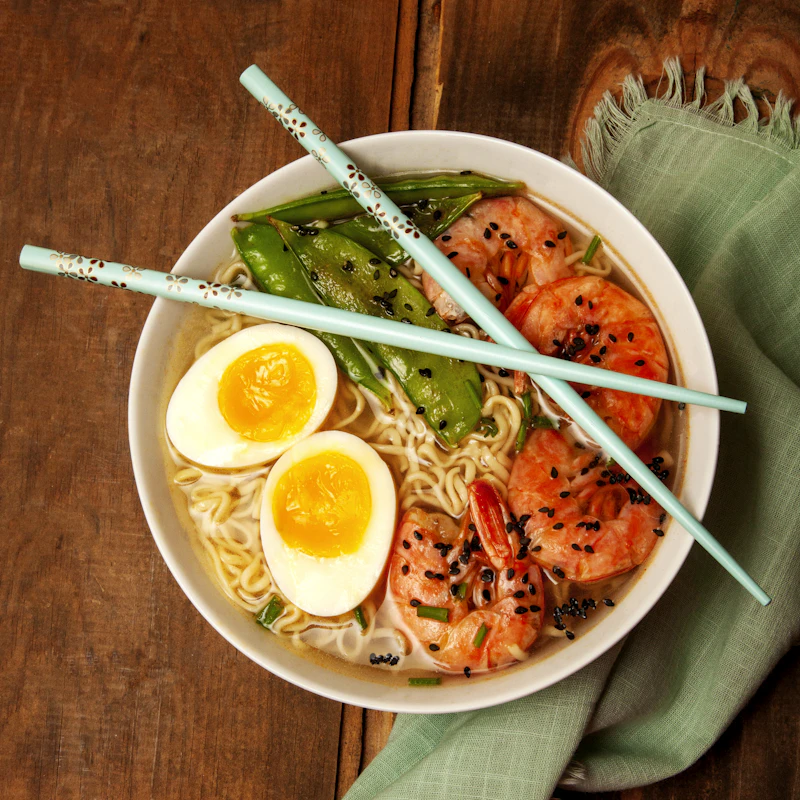
The soft-boiled, marinated ramen egg (ajitsuke tamago or ajitama) is one of Japan's most craved condiments. Hard-cooked just long enough to set the white while leaving the yolk fudgy and slightly runny, they're then marinated in a mixture of soy sauce, mirin, and sugar for 12–24 hours. The result is a brown-tinged egg with a complex, slightly sweet-savory flavor that complements ramen broth perfectly. Many ramen shops sell them separately as a topping (¥100–150) and some specialty shops sell them independently.
High-Quality Egg Producers
Japanese consumers pay significant attention to egg quality, with premium eggs (brandegg or tokyu tamago) selling for ¥50–200 each compared to ¥20–30 for standard eggs. Miyazaki-ken's eggs, Nagoya Cochin breed eggs, and Oita-ken's eggs with their rich orange yolks have passionate followings. Visiting a Japanese market and seeing the premium egg section with multiple different varieties labeled by farm is a distinctive cultural experience.