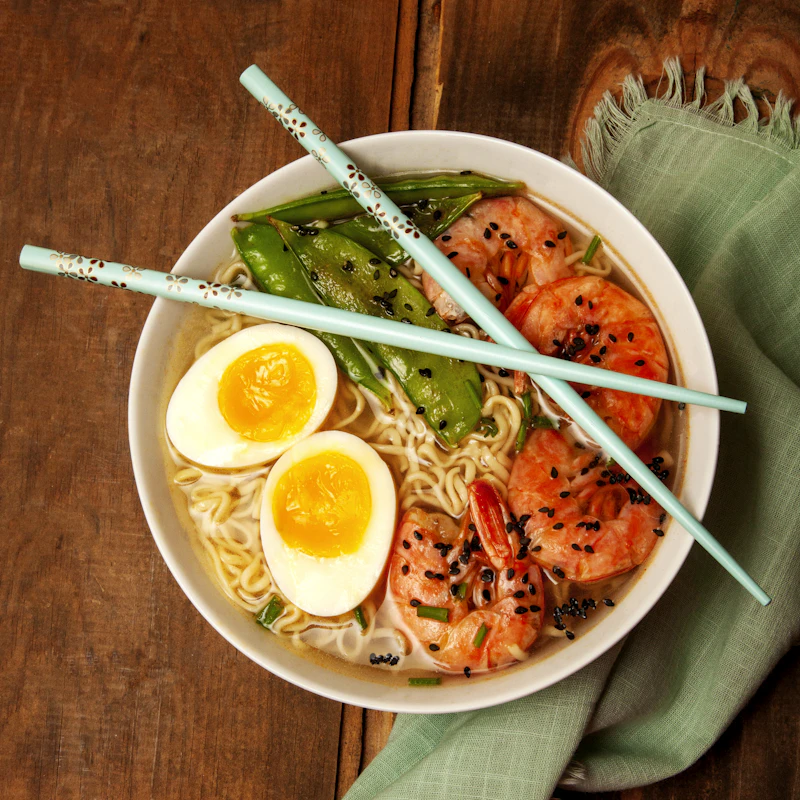
Tokyo's Ramen Obsession: It's Not Casual
Tokyo takes ramen seriously. Ramen shops with lines of 50+ people for 2-hour waits are normal. People wake at 5 AM to queue before work. Michelin Guide includes ramen shops. Food critics spend careers analyzing broths that simmer for 24 hours.
This obsession is earned. Great ramen is biomechanical—the broth's collagen content, the noodles' water absorption rate, the seasoning balance at parts per thousand. A truly excellent ramen shop is a small factory operating at precision levels that rival restaurants with chefs trained at Institut Culaire.
I've spent years eating ramen in Tokyo. I've tracked queue times, understood neighborhood loyalty (Shinjuku ramen is different from Shibuya ramen which is different from Nihonbashi), and learned how to queue strategically. This guide provides 10 genuinely exceptional shops with specific logistical information, queue predictions, and why each is worth your time.
The Science of Ramen (Abbreviated)
Broth (the foundation, 12-24+ hour simmer)
Tonkotsu: Pork bone broth. Simmered at high heat until bones break down and release collagen. Result: creamy, white, rich, pork-forward.
Shoyu: Soy sauce-based. Built on soy, fish stock (dashi), and secondary broths. Light, salty, clean finish. Traditional.
Miso: Miso paste-based. Earthy, umami-rich, slightly sweet undertones. Modern variation.
Shio: Salt-based. Light, clean, often made with chicken or fish stock. Simple but demanding (nothing hides mediocrity).
Noodles (Kneading, rolling, cutting: precision matters)
Hydration level, protein content, resting time, and cutting thickness all affect texture. Excellent ramen shops use custom noodle mills (some make noodles in-house). Noodle texture preferences are intensely personal—some want thin and crispy, others want thick and chewy.
Toppings (Char siu = the status symbol)
Char siu (braised pork) quality distinguishes great shops from mediocre ones. Genuine char siu is pork shoulder braised for hours, sliced, briefly charred on a hot plate. Mediocre shops use deli-sliced ham. The difference is visceral.
10 Tokyo Ramen Shops Worth the Wait
1. Ichiran (Multiple Tokyo Locations) – Tonkotsu Standard Bearer
Style: Tonkotsu (creamy pork bone broth)
Location: Shibuya, Shinjuku, Ikebukuro, Odawara (multiple locations)
Queue time: 20–60 minutes (peaks 12–1 PM, 6–7 PM)
Price: ¥980–¥1,350 per bowl
What to order: Tonkotsu classic (基本豚骨ラーメン). Skip specialty variations on first visit.
Why it's exceptional: Broth simmered 18 hours. Tonkotsu purists make pilgrimages here. Noodles are perfectly al dente. The simplicity is the point.
Logistics:
- Arrive before 11:30 AM or after 2 PM to avoid peak crowds
- Solo seating only (counter style). No tables for groups
- Payment at ticket machine; no table service
- Slurp factor: High. This is expected and encouraged
Verdict: Define your tonkotsu expectations here. Everything else is comparison.
2. Ramen Yoko-Cho Alley (Shinjuku) – The Ramen Museum
What it is: Not a single shop but an alley with 7 legendary tiny ramen shops (each 6–8 seats).
Queue time: 15–45 minutes depending on shop
Price: ¥800–¥1,200 per bowl
Best shops in the alley:
- Mantetsu: Tangy shoyu broth. Unique flavor. 30-minute average wait.
- Ippudo-style traditional: Rich tonkotsu. Slightly creamy.
Why it's exceptional: Each shop has 50+ year history. Owners are legends. The alley itself is a time capsule to 1960s Tokyo.
Logistics:
- Located in Shinjuku, 3 minutes east of Shinjuku Station
- Cash only at some shops; bring ¥3,000 minimum
- Alley is narrow; waits take you up stairs into neighboring buildings
- Go early morning (9 AM) or late evening (9 PM) for shortest waits
Verdict: Visit for culture and nostalgia. Quality varies by shop; all are good.
3. Tsujita LA Ramen (Shinjuku) – Tsukemen Pioneer
Style: Tsukemen (dipping ramen—noodles dipped into thick broth separately)
Queue time: 30–90 minutes (extremely popular)
Price: ¥980–¥1,200
What to order: Tsukemen classic (つけ麺). Thick broth, al dente noodles.
Why it's exceptional: Invented the modern tsukemen style. Broth is intensely concentrated. Noodles are chewy and perfectly textured. The dipping experience is interactive and engaging.
Logistics:
- Shinjuku location (5-minute walk from east exit)
- Line forms outside by 10 AM
- Peak wait: 90 minutes (11 AM–2 PM)
- Best time: 4–6 PM (45-minute wait) or 9 PM (20-minute wait)
- Counter service; expect turnover in 15 minutes once seated
Verdict: If you've never had tsukemen, this is essential. The dipping experience elevates eating from consumption to activity.
4. Ippudo (Multiple Locations) – Accessible Tonkotsu, Everywhere
Style: Tonkotsu (high-volume chain with consistent quality)
Locations: 50+ Tokyo locations. Train stations, shopping districts.
Queue time: 0–30 minutes (rarely long)
Price: ¥790–¥1,090
What to order: Tonkotsu (豚骨)
Why it's good: Ippudo is the "safe choice." Broth quality is high, noodles are reliable, and you can eat without planning around a 2-hour queue. This is the ramen you'd eat 3 times a week if you lived in Tokyo.
Logistics:
- Seating is generous (booths, tables)
- No reservation needed (walk in)
- Order at counter, pay upfront
- Efficient service; seat turnover is fast
Verdict: Not on the "legend" tier, but genuinely excellent. Use Ippudo when you want ramen without queue logistics.
5. Nabezo (Ginza, Roppongi) – Ramen with Sophistication
Style: Tonkotsu + miso fusion (contemporary take on traditional)
Queue time: 10–30 minutes
Price: ¥1,500–¥2,500
What to order: Miso tonkotsu (miso豚骨). The broth balance is remarkable.
Why it's exceptional: Chef trained in French technique but specializes in ramen. The broth shows technical precision—you can taste individual components (pork, garlic, sesame) without muddy flavors.
Logistics:
- Ginza location (upscale neighborhood)
- Reservations recommended (call or online)
- Booth seating, comfortable environment
- Service is attentive without being intrusive
Verdict: For special occasions or when you want ramen without queue anxiety. Higher price reflects quality and comfort.
6. Shio Ramen Senmonten (Nihonbashi) – Shio Excellence
Style: Shio (salt-based broth)
Queue time: 20–60 minutes
Price: ¥850–¥1,150
What to order: Shio ramen classic (塩ラーメン). Simple broth shows technical mastery.
Why it's exceptional: Shio ramen is the hardest style—there's nowhere to hide mediocrity. This shop's clarity and balance are exceptional. Broth tastes like distilled chicken and sea essence.
Logistics:
- Nihonbashi location (less touristy than Shinjuku)
- Counter seating only
- Peak times: lunch, dinner (arrive off-peak)
- Go between 2–4 PM for minimal queues
Verdict: If you appreciate simplicity and technical refinement, this is essential.
7. Mujirushi Ramen (Setagaya) – Minimalist Philosophy
Style: Shio/Shoyu hybrid
Queue time: 40–90 minutes (legendary line)
Price: ¥850
What to order: Special ramen (特ラーメン)—whatever the chef deems best that day
Why it's exceptional: Shop has no menu. Chef decides what you eat (communal dining energy). Broth changes seasonally based on ingredient availability. Noodles are custom-made daily.
Logistics:
- Setagaya location (20 minutes from Shinjuku by train)
- Line forms before opening (11 AM)
- Reservations impossible; first-come basis
- Go with flexibility and patience
Verdict: This is ramen as philosophy, not commodity. If you want the "full Tokyo ramen experience," this captures it perfectly.
8. Shibire Ramen Tsutaya (Shibuya) – Spicy Tantan-Men
Style: Tantan-men (spicy sesame broth, Chinese-influenced)
Queue time: 30–60 minutes
Price: ¥1,050–¥1,350
What to order: Tantan-men with medium spice (担々麺 中辛). Heat builds gradually.
Why it's exceptional: Sesame-based broth achieves creaminess without pork fat. Spice level is addictive—not overwhelming, but present. Noodles are excellent.
Logistics:
- Shibuya location (east side, less touristy area)
- Counter and booth seating
- Arrive before 11:30 AM or after 2 PM
- English menu available
Verdict: For spice lovers. This is ramen with personality and heat.
9. Ramen Yokocho (Yurakucho) – Another Historic Alley
Style: Mixed (each tiny shop specializes)
Queue time: 20–45 minutes per shop
Price: ¥900–¥1,200
Best shops: Masuda (tonkotsu), Otako (miso)
Why it's good: Similar to Ramen Yoko-Cho Shinjuku but less crowded. Owners are older, more traditional. Atmosphere is intimate.
Logistics:
- Yurakucho area (under railroad tracks, atmospheric)
- 5 minutes from Shinjuku Station
- Cash only
- Go early morning (9 AM) for shortest waits
Verdict: Atmospheric, quieter alternative to Shinjuku Ramen Yoko-Cho.
10. Ichiramen (Asakusa) – Tourist-Aware but Genuine
Style: Tonkotsu (specifically for tourists, but standards don't drop)
Queue time: 10–30 minutes (less crowded than Shinjuku shops)
Price: ¥1,050
What to order: Classic tonkotsu
Why it's good: Located near Asakusa Temple. Recognizes tourist audience but doesn't pander. Quality is high. Staff speaks English.
Logistics:
- Asakusa area (5-minute walk from temple)
- Booth seating
- No reservation needed
- Good for solo travelers and non-Japanese speakers
Verdict: Best ramen for visitors with limited Japanese/confidence navigating crowded shops.
Strategic Queue Planning
Avoid Peak Hours
Lunch peak: 12–1:30 PM (office workers)
Dinner peak: 6–7:30 PM (after-work crowds)
Weekend peaks: Saturday 12–4 PM, Sunday 11 AM–3 PM
Optimal times:
- Shortest wait: 2–4 PM, 9 PM–closing
- Moderate wait: 4–6 PM, early morning (9–11 AM)
- Longest wait: Lunch, dinner, weekends
Pro Tips
- Have cash: Some shops (especially Ramen Yoko-Cho) are cash-only
- Come solo if possible: Group dining slows service
- Order quickly: Have your order ready when your turn arrives
- Eat fast: You're occupying a seat; respect the queue behind you
- Take photos before eating: Ramen deteriorates quickly once served
- Use HotPepper/Tabelog apps: Check real-time queue times before going
The Ramen Hierarchy: What Makes Great Ramen
- Broth (60% of quality): Long simmer, balanced flavors, clean finish
- Noodles (20% of quality): Proper hydration, correct al dente texture
- Toppings (15% of quality): Fresh, quality char siu, proper scallions
- Execution (5% of quality): Proper temperature, correct bowl presentation
The Bottom Line
Tokyo's ramen scene is world-class. You can eat truly exceptional ramen in a shop with 8 seats and no English menu for under ¥1,000. This accessibility is remarkable.
Start with an Ichiran or Ippudo to understand baseline tonkotsu. Progress to Tsujita or Nabezo for elevated experiences. Visit Ramen Yoko-Cho for atmosphere. Eat at multiple shops over your stay (different styles, neighborhoods, philosophies).
Queue times are part of the culture, not a bug. Use wait times to observe, chat with fellow diners, understand the ritual.
Ramen in Tokyo is more than food. It's craftsmanship, community, and precision at a humble price.
Respect the queue. Slurp loudly. Eat everything.
That's the Tokyo ramen experience.