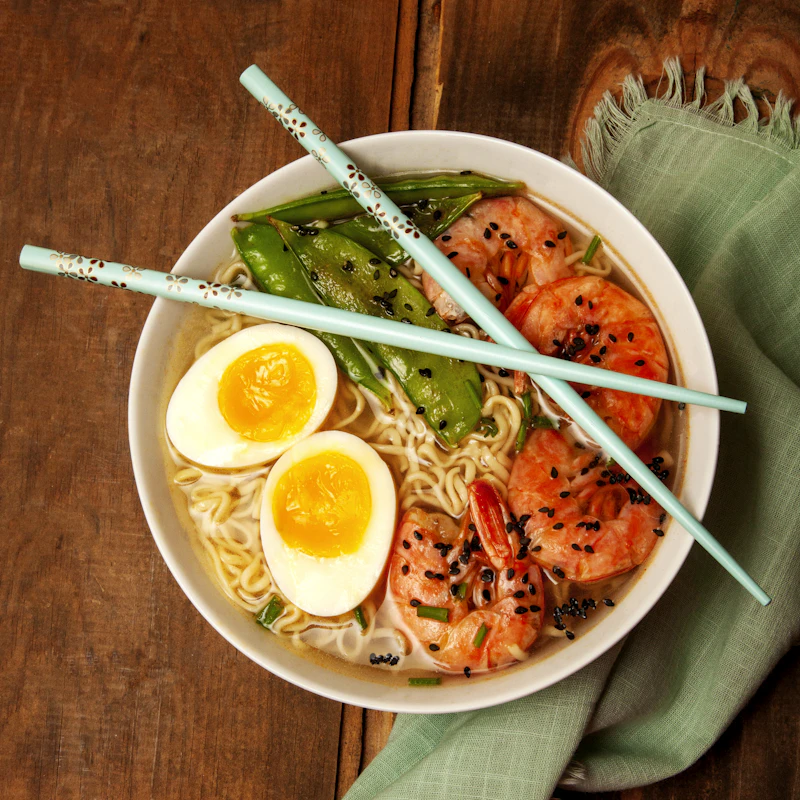
Depachika (department store underground) represents uniquely Japanese phenomenon: luxurious basement food halls showcasing Japan's culinary excellence. These subterranean marketplaces combine shopping, dining, and cultural immersion into experiences far exceeding typical supermarkets. For food lovers and explorers, depachika represent essential cultural destinations.
Depachika Fundamentals
What Is Depachika?
"Depachika" refers to the basement food floor of major department stores. These aren't mere grocery sections but curated culinary experiences featuring:
- Premium Products: High-quality ingredients and prepared foods
- Regional Specialties: Products from across Japan in one location
- International Options: Imported goods and global cuisine
- Prepared Food Sections: Ready-to-eat items for convenient dining
- Seasonal Specialties: Limited editions and holiday-themed products
- Artisanal Makers: Small producers showcasing craftsmanship
Cultural Significance
Depachika reflect Japanese values:
Quality: Emphasis on ingredient quality and careful preparation
Aesthetics: Beautiful presentation and arrangement matter equally to contents
Regional Pride: Local products earn premium positioning
Seasonality: Constant rotation reflecting seasons
Discovery: Browsing reveals unexpected treasures
Major Depachika Districts
Tokyo
Tokyo's depachika are world-renowned. Multiple major department stores occupy premium locations with elaborate food halls.
Major Locations:
- Ginza: Luxury department stores with premium depachika
- Shinjuku: High-traffic locations with diverse selections
- Shibuya: Youth-oriented stores with trendy food options
- Roppongi: International food focus
Notable Stores:
- Mitsukoshi Ginza: Historic luxury store with world-class depachika
- Isetan Shinjuku: Trendy selections appealing to younger shoppers
- Takashimaya: Multiple locations, consistent quality
Kyoto
Kyoto's depachika emphasize traditional Japanese foods and local specialties.
Notable Stores:
- Takashimaya Kyoto: Premium depachika with traditional focus
- Minatoya: Smaller but highly curated selections
- Local specialty shops: Traditional sweet and food makers
Osaka
Osaka's depachika emphasize abundance and bold flavors distinct from refined Tokyo/Kyoto approaches.
Characteristics: Larger portions, more casual atmosphere, strong local identity
What to Find in Depachika
Prepared Foods (Nori-mon)
Pre-prepared meals ready for purchase:
- Bento Boxes: Ranging from simple ¥1,500 to elaborate ¥10,000+
- Sushi Platters: Prepared fresh daily
- Tempura and Fried Items: Crispy items maintained in quality
- Grilled Items: Yakitori, grilled fish prepared to order
- Soup and Hot Foods: Warming options in cooled containers
Timing: Selection is freshest late afternoon after daily preparation
Cost: ¥2,000-5,000 typical for quality meals
Fresh Produce (Yasai)
Premium vegetables with emphasis on regional varieties:
- Seasonal Vegetables: Highlighted according to season
- Organic Options: Growing organic section in quality stores
- Heritage Varieties: Traditional vegetables rare in supermarkets
- Prepared Vegetables: Some items come pre-cut or partially cooked
Seafood (Sakana)
Fresh and prepared seafood:
- Raw Fish: Premium sashimi-grade options
- Prepared Seafood: Grilled, steamed, marinated preparations
- Dried Fish: Premium bonito flakes, dried seaweed
- Specialty Items: Sea urchin, scallops, rare offerings
Meat (Niku)
Premium meat selections emphasizing Japanese wagyu and specialty proteins:
- Wagyu Beef: Premium cuts at premium prices
- Japanese Pork: Heritage breed pork
- Poultry: Quality chicken and duck
- Game: Seasonal venison, wild boar
Sweets and Confections (Okashi)
Premium sweets dominate depachika sections:
- Wagashi: Traditional sweets at high-quality levels
- Cakes and Pastries: Bakery items from premium makers
- Imported Sweets: International luxury confections
- Seasonal Specialties: Limited-edition offerings
Cost: ¥500-3,000 per item depending on complexity
Beverages
Premium drink selections:
- Sake: Regional sake producers with curated selections
- Wine: Japanese and imported selections
- Tea: Premium loose-leaf teas
- Coffee: Premium beans and prepared options
- Juice: Fresh-squeezed and specialty options
Specialty Items
Each depachika features unique specialty sections:
- Deli Counters: Custom-prepared items to order
- Bread Sections: Premium bakery items
- Oil and Condiments: Premium Japanese and imported options
- Prepared Dishes: Hot food sections for immediate consumption
Depachika Shopping Strategy
Best Times to Visit
Timing for Freshness: Late afternoon (3-6pm) features freshest prepared foods
Seasonal Timing: Holiday periods (New Year, summer holidays) feature special selections
Timing for Deals: Late evening (hour before closing) may feature discounts on perishables
Finding Value
While depachika emphasize quality over budget, value exists:
- Smaller Portions: Individual or two-person sizes available
- Mixed Sets: Combination of items at fixed prices
- End-of-Day Sales: Slight discounts on closing items
- Seasonal Promotions: Special pricing on featured items
Navigation Strategy
Depachika can overwhelm. Effective shopping involves:
- Identify must-haves: Decide what you want before entering
- Browse specialties: Allow time for exploration
- Sample offered items: Many shops offer tastings
- Ask staff: Employees provide recommendations
- Check expiration dates: Perishable items require attention
Depachika Experiences Beyond Shopping
Sampling and Tasting
Many vendors offer samples of products. This allows:
- Product Testing: Before committing to purchase
- Education: Learning about products from passionate makers
- Conversation: Interaction with vendors provides cultural exchange
Prepared Food Dining
Some depachika include small eating areas where purchased items can be consumed immediately.
Format: Usually limited seating (20-50 people); standing room often provided
Cost: Included in purchase price; no additional fee
Specialty Demonstrations
Occasionally, depachika feature:
- Cooking demonstrations: Showing preparation techniques
- Maker appearances: Regional producers promoting products
- Seasonal celebrations: Special events marking holidays
Photography Opportunities
Depachika's visual appeal makes photography popular. The carefully arranged displays, seasonal themes, and diverse products create compelling images.
Etiquette: Photography is generally acceptable; avoid interfering with shopping or vendors
Gift Culture and Depachika
Gift-Giving Tradition
Depachika excel at gift preparation:
- Premium Packaging: Beautiful boxes suitable for gifting
- Curated Sets: Pre-selected combinations of complementary items
- Seasonal Gifts: Holiday-themed packages
- Regional Gifts: Products specific to regions
Cost: Gift-wrapped items typically 20-30% premium over regular pricing
Corporate Gifting
Businesses purchase depachika items for employee and client gifts. This drives significant sales and justifies premium pricing.
Depachika by Department Store
Mitsukoshi
Japan's oldest department store chain with premium depachika emphasizing traditional foods and high-end products.
Characteristics: Highest prices, quality-obsessed, traditional focus
Best For: Special purchases, gifts, traditional items
Isetan
Trendy department store with younger customer focus. Depachika emphasize innovation and international options.
Characteristics: Fashion-forward, trendy items, international fusion
Best For: Contemporary discoveries, younger sensibilities
Takashimaya
Mid-range department store with balanced depachika combining quality and value.
Characteristics: Solid quality, reasonable prices, broad selections
Best For: Regular shopping, value-conscious purchasing
Daimaru
Department store with regional focus. Depachika emphasize local specialties in each city.
Characteristics: Regional identity, local products, community focus
Best For: Discovering regional specialties
Depachika in Other Cities
Osaka
Depachika emphasize abundance and bold flavors. Larger portions and more casual atmosphere distinguish from Tokyo/Kyoto.
Nagoya
Regional specialties dominate, with unique Nagoya cuisine featured prominently.
Regional Cities
Smaller cities' department stores maintain depachika reflecting local food culture.
Depachika Budget Considerations
Exploration: Browsing is free; sampling often provided
Small Purchase: Single item costs ¥500-3,000 typical
Complete Meal: ¥3,000-6,000 provides quality meal
Premium Items: Special selections reach ¥10,000+
Budget Strategy: Combining small items from multiple vendors creates diverse, affordable meal
Practical Information
Opening Hours
Typical department store hours: 10am-8pm (varies by location)
Depachika may have slightly shorter hours (close 30 minutes before main store)
Location Within Stores
Depachika are always basement level—B1, B2 levels depending on store size
Finding the food section is straightforward; signs are clear
Language and Assistance
- English Signage: Premium depachika increasingly provide English
- Staff Assistance: Employees offer help (use gestures/translation apps if needed)
- Translation Apps: Helpful for product descriptions
Payment Methods
- Cash: Widely accepted
- Cards: Most major cards accepted
- IC Cards: Suica/Pasmo accepted at major stores
Depachika as Cultural Experience
Depachika represent more than shopping venues. They embody:
- Japanese aesthetics: Beauty and presentation
- Quality focus: Commitment to excellence
- Regional pride: Showcasing local products
- Seasonal awareness: Reflecting natural cycles
- Community: Gathering place for food culture
Conclusion
Depachika offer uniquely Japanese experience combining shopping, dining, and cultural immersion. The carefully curated food selections, premium quality, and seasonal variations make repeated visits rewarding.
Whether purchasing special gifts, gathering meal components, discovering regional specialties, or simply browsing luxury food options, depachika provide window into Japanese food values and contemporary culture. Allow adequate time for exploration—rushing diminishes the experience. The visual beauty, cultural richness, and culinary quality transform depachika shopping from practical necessity into genuine entertainment.