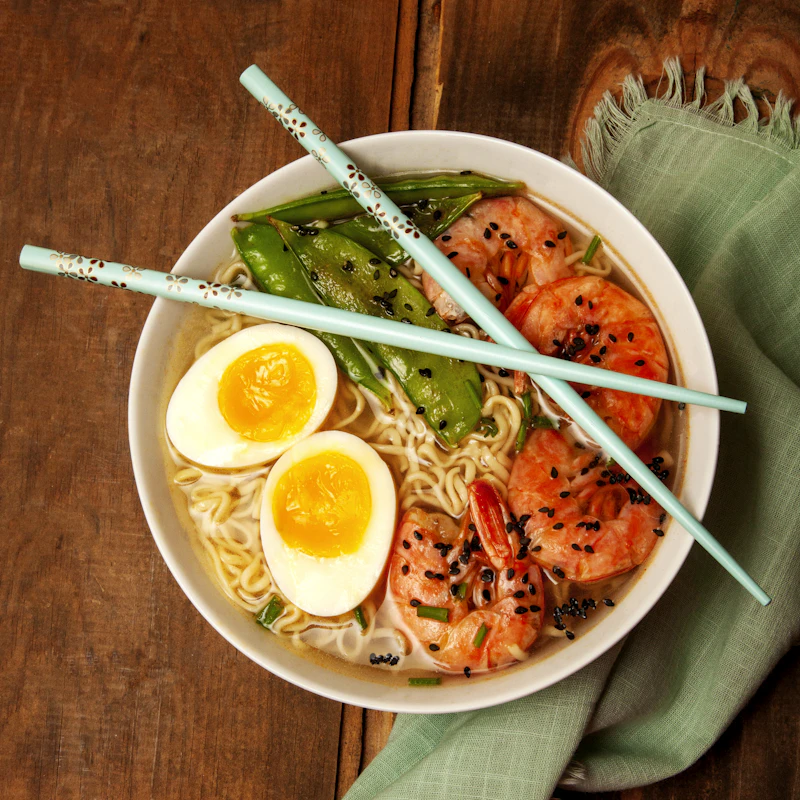
Fukuoka's tonkotsu ramen is Japan's most iconic noodle dish. This creamy, intensely savory pork bone broth paired with thin curly noodles represents ramen perfection to countless enthusiasts. The experience of eating ramen from Hakata's tiny yatai (mobile food stalls) captures quintessential Japanese street food culture.
Tonkotsu Ramen Fundamentals
Tonkotsu literally means "pork bones." This broth simmers pork bones for 12-24 hours, extracting deep marrow flavor and natural richness creating the distinctive white, creamy appearance.
What Makes Tonkotsu Special
Broth: Years of perfection by regional chefs create signature flavors. The broth's whiteness comes from slow simmering breaking down bone marrow, not cream addition.
Noodles: Hakata tonkotsu uses thin, curly noodles (hata-men style). The thinness allows broth penetration; the curl holds sauce. Texture is firm with slight chewiness.
Toppings: Simplicity dominates—scallions, pork belly (chashu), egg, sprouts, seaweed. The focus remains on broth and noodles.
Flavor: Umami-rich, salty, intensely savory. This is not light dining but bold, warming experience.
The Tonkotsu Experience
Ordering and Eating
Ordering: Point at picture menus or say "tonkotsu" and desired size (small/medium/large). Some shops offer hardness selection for noodles.
Arrival: The bowl is small, portion controlled. The broth steams; the noodles maintain firmness.
Eating Technique: Slurp loudly—this is polite and cools noodles. Pause between slurps to appreciate broth.
Pace: Eat quickly while noodles are firm. As time passes, noodles absorb broth, losing texture.
Finishing: The broth can be consumed entirely or left. Some diners drink remaining broth directly from bowl. Finishing everything indicates satisfaction.
Etiquette and Culture
Noise: Slurping is mandatory, not rude. Loud consumption shows appreciation.
Conversation: Ramen is typically solo activity, though eating with friends is acceptable.
Rest: The meal is quick (15-20 minutes typical). Don't linger.
Payment: Pay at counter before or after eating depending on shop format.
Yatai Culture: The Ultimate Street Food
Hakata's yatai are tiny food stalls (5-10 seats maximum) operating late into night. These iconic venues capture Japanese hospitality and food culture.
Understanding Yatai
Yatai are mobile or semi-permanent structures with minimal infrastructure. No bathrooms, limited heating/cooling, tight spacing defines the experience. This discomfort is part of the charm—the intimate, communal atmosphere compensates.
History: Yatai originated post-WWII as displaced workers created informal commerce. Over decades, they became cultural institutions.
Current Situation: Fukuoka city regulates yatai, limiting numbers to preserve culture. Few cities still maintain yatai tradition; Fukuoka is primary remaining center.
Location: The Nakasu district clusters yatai along river. Walking streets reveals multiple options.
Yatai Dining Experience
Arrival: Walk streets, identify yatai with appealing appearance or welcoming energy
Seating: Squeeze into tight benches alongside locals and travelers
Ordering: Limited menu (usually just ramen variants and beer). Point or gesture.
Preparation: Watch chef prepare your ramen 5 feet away in tiny kitchen
Socialization: Yatai's closeness creates immediate friendliness. Strangers become temporary companions.
Beverages: Beer is standard accompaniment. Small bottles or cans make sense in tight quarters.
Tonkotsu Ramen Shops: Beyond Yatai
While yatai are iconic, numerous established ramen shops offer tonkotsu throughout Fukuoka.
Restaurant Ramen
Larger establishments (20+ seats) provide comfort while maintaining quality. These shops often have devoted followings spanning decades.
Advantages: Comfortable seating, bathrooms, consistent quality
Disadvantages: Less atmospheric than yatai; slightly higher prices
Famous Chains: Ippudo (national ramen chain, good quality), Hanamaru (Fukuoka-based), Nagahama Ramen Yokocho (concentrated shop alley)
Ramen Yokocho (Alleys)
Several concentrated ramen alleys feature 5-10 traditional shops in single locations:
Nagahama Ramen Yokocho: Most famous, though increasingly touristy
Yatai Shops: The true yatai concentration in Nakasu district
Quality: Generally high; competition drives excellence
Cost: ¥800-1,200 typical range
Tonkotsu Variations and Twists
While tradition dominates, contemporary variations exist:
Spicy Tonkotsu
Some shops add spice elements—chili paste, mala-influenced preparations. This modern take appeals to those seeking additional complexity.
Tsukemen (Dipping Ramen)
Noodles are served separately, dipped in concentrated broth sauce. This variation allows controlling broth-to-noodle ratio and extends eating.
Tonkotsu Fusion
Contemporary chefs combine tonkotsu with other cuisines—gyoza (potstickers) accompanied by ramen, curry-tonkotsu hybrids, regional variations.
Regional Tonkotsu Variations
While Fukuoka tonkotsu is standard, regional variations reflect local preferences:
Kuromame (Black Soybean) Tonkotsu: Some regions add this element
Rich vs. Light: Some shops prefer less-creamy broth, others maximize richness
Noodle Thickness: Variations from super-thin to slightly thicker
Timing and Availability
Hours
Yatai open late afternoon/early evening (3-5pm typical) and operate until late night (midnight-2am typical). This makes yatai evening-only experience.
Ramen shops maintain longer hours (10am-11pm typical) making daytime eating possible.
Seasons
Ramen is year-round food, but tonkotsu popularity peaks in winter when warmth is welcomed. Summer eating is possible but less common.
Food Pairing and Ordering Strategy
Standard Toppings
Most shops include these automatic:
- Scallions
- Pork belly (chashu)
- Pickled ginger
- Seaweed (nori)
- Sprouts
Additional Options available at additional cost:
- Soft-boiled egg (tamago) - ¥100
- Extra pork - ¥200-300
- Garlic - ¥50
- Sesame seeds - ¥50
Beverage Pairing
Beer: Standard choice at yatai, ¥500-800 for small bottle
Sake: Some shops offer sake, warmer than beer
Soft Drinks: Tea, cola, rarely seen but acceptable
No Beverage: Many eat plain
Ramen as Part of Meal
Many visitors combine ramen with other foods:
Gyoza (Potstickers): Fried dumplings available at many yatai, ¥400-600 per order
Fried Rice: Some shops serve fried rice alongside ramen
Appetizers: Chicken skewers, fish cakes, vegetables common yatai foods
Where to Eat Tonkotsu
Yatai in Nakasu District
The river area has greatest yatai concentration. Walking streets after dark reveals illuminated venues. Choose based on:
- Atmosphere: Welcoming energy, clean appearance
- Crowd: Locals usually indicate quality
- Kitchen Cleanliness: Visible food prep should appear hygienic
Established Ramen Shops
Downtown Fukuoka and suburbs have hundreds of ramen shops. Popular locations cluster in:
- Tenjin Area: Central shopping district
- Hakata Station Area: Convenient for travelers
- Hozenji Alley: Historic pedestrian street with restaurants
Ramen Yokocho Alleys
Multiple concentrated areas feature 5-15 shops in single location. These allow trying multiple variations in single evening.
Famous Locations:
- Nagahama Ramen Yokocho: Touristy but legitimate
- Yatai Concentration in Nakasu: Most authentic
- Fukutoshin Building: Modern version of traditional alley concept
Ramen Tourism and Food Tours
Guided Ramen Tours
Several companies offer ramen-focused tours including:
- Introduction to tonkotsu fundamentals
- Multiple ramen shop visits
- Local guide recommendations
- Cultural context
Cost: ¥5,000-10,000
Duration: 2-4 hours typical
DIY Exploration
Self-guided ramen exploration is also rewarding:
- Start early evening at popular yatai
- Eat ramen at multiple locations
- Observe preparation techniques
- Talk with chefs and other diners
Making Tonkotsu at Home
For those interested in recreating tonkotsu:
Challenges
- Pork bones: Sourcing quality bones is difficult outside Japan
- Time: 12-24 hour simmering requires commitment
- Equipment: Large pots and burners needed
Simplified Version
Many restaurants sell tonkotsu broth concentrate. Boiling this with instant noodles and basic toppings approximates experience without 24-hour commitment.
Budget Considerations
Yatai ramen: ¥800-1,200 per bowl
Ramen shop: ¥800-1,500 depending on shop prestige
Yokocho shops: ¥800-1,200 typical
Premium shops: ¥1,500-2,000+ for specialty preparations
Combination eating (ramen + gyoza + drink): ¥1,500-2,500 total
Fukuoka Food Culture Beyond Ramen
While ramen dominates, Fukuoka offers:
- Yosenabe (hot pot): Communal winter dining
- Mentaiko (spicy cod roe): Local specialty
- Hakatadon (specialty rice bowl): Local variant
- Tori Soboro (chicken rice): Fukuoka specialty
However, tonkotsu ramen remains the primary focus for most visitors.
Photography and Sharing
Instagram has popularized ramen photography. Many shops appreciate documentation (though flash photography is discouraged). The visual appeal of steaming bowls and yatai atmosphere makes compelling images.
Conclusion
Tonkotsu ramen represents Japan's most accessible fine dining. The combination of technical skill (years perfecting broth), cultural heritage (yatai tradition), and democratic pricing creates experience simultaneously elevated and street-level.
Eating ramen in Fukuoka's yatai—squeezed among locals, watching skilled preparation 5 feet away, slurping loudly, feeling warmth of creamy broth—captures Japan's food philosophy: quality craftsmanship meeting humble, unpretentious execution.
For first-time Japan visitors, Fukuoka tonkotsu represents essential experience. For ramen enthusiasts, pilgrimages to Fukuoka are spiritual practice. Whatever your background, tonkotsu ramen eaten authentically in Fukuoka's yatai remains unforgettable.
Last updated: May 2025. Information verified for the current travel season.
How to Experience Fukuoka Tonkotsu Ramen: Hakata's Famous Noodle Stalls Guide: Step-by-Step Guide
As of 2025, here is how to make the most of your fukuoka tonkotsu ramen: hakata's famous noodle stalls guide experience in Japan, from finding the best spots to ordering like a local.
- Research before you go: Use Google Maps, Tabelog (Japan's top restaurant review site), or ask your hotel concierge to identify highly-rated places near your accommodation. Look for lines forming outside — a reliable quality signal in Japan.
- Timing matters: Arrive at opening time (typically 11 AM for lunch, 6 PM for dinner) or just before closing to avoid the longest queues. Many popular spots sell out of specials by early afternoon.
- Check the menu display: Most Japanese restaurants display plastic food models (shokuhin sampuru) or photo menus outside. Study these before entering so you can order confidently.
- Ordering: Many casual spots use ticket vending machines (券売機, kenbaiki) — insert cash, select your dish, and hand the ticket to staff. For table service, wait to be seated and call staff with a light "sumimasen" (excuse me).
- Eat with respect: Follow Japanese dining etiquette — say "itadakimasu" before eating, don't stick chopsticks upright in rice, and avoid walking while eating in traditional areas.
- Budget: Most casual meals cost ¥800–¥1,500 ($5.50–$10.35 USD). Set meals (teishoku) offer the best value. Budget ¥3,000–¥5,000 ($20–$34 USD) for a mid-range dinner.
- Take notes or photos: Record what you ate and where — Japan's food scene is so varied you'll want to remember your favorites for next time.
FAQ: Fukuoka Tonkotsu Ramen: Hakata's Famous Noodle Stalls Guide
How much does fukuoka tonkotsu ramen: hakata's famous noodle stalls guide typically cost in Japan?
Prices vary widely by venue type. At casual restaurants and food stalls, expect ¥800–¥1,500 ($5.50–$10.35 USD) per person. Mid-range restaurants charge ¥2,000–¥5,000 ($14–$34 USD). High-end or specialty experiences can range from ¥8,000–¥30,000+ ($55–$207 USD). As of 2025, the weak yen makes Japan's food scene exceptional value for foreign visitors.
Where are the best places in Japan to experience fukuoka tonkotsu ramen: hakata's famous noodle stalls guide?
Quality varies by region — Japan's culinary culture is intensely local. Tokyo has the highest density of Michelin-starred restaurants worldwide, but regional cities like Osaka, Fukuoka, Kyoto, and Sapporo each have distinct specialties that surpass Tokyo options. Always research the local speciality of wherever you're visiting.
Do I need to make reservations in advance?
For popular or high-end restaurants, reservations 1–3 months in advance are often necessary. Many top Tokyo restaurants require reservations through Tableall or Omakase reservation platforms. Casual spots rarely take reservations — simply queue and wait. Arrive at opening time (11 AM or 6 PM) to minimize wait times.
Can vegetarians and vegans enjoy fukuoka tonkotsu ramen: hakata's famous noodle stalls guide in Japan?
Many traditional Japanese dishes contain dashi (fish stock) even when they appear vegetarian. As of 2025, plant-based options have grown significantly in major cities. Vegan-friendly apps like HappyCow Japan list fully vegan restaurants. When in doubt, say "watashi wa bejitarian desu" (I am vegetarian) and ask about ingredients.
What are the most common mistakes tourists make when trying fukuoka tonkotsu ramen: hakata's famous noodle stalls guide?
Common mistakes include: ordering too much at once (Japanese portions are carefully balanced), not checking the ticket machine options before queuing, skipping the "daily special" (which uses the freshest ingredients), and leaving food unfinished (considered mildly disrespectful). Take time to observe how local customers order and behave before jumping in.
Is it safe to eat fukuoka tonkotsu ramen: hakata's famous noodle stalls guide from street stalls in Japan?
Japan has some of the strictest food safety standards in the world. Street food stalls, food trucks, and market vendors are all licensed and regulated. Cross-contamination risks are minimal. Eat with confidence at any licensed stall — the bigger risk is overeating, not food safety.