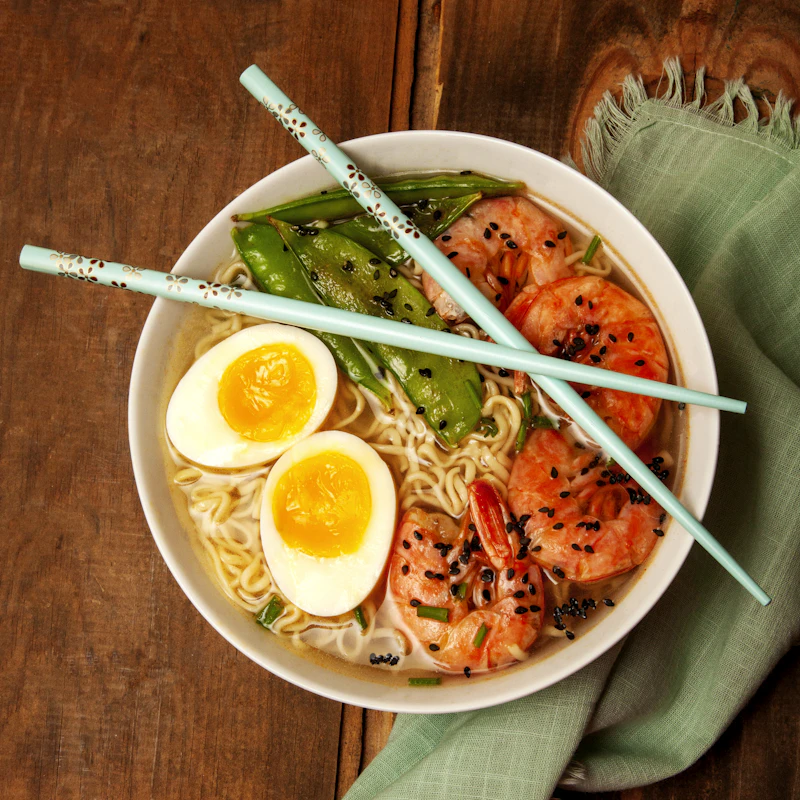
The Gluten Challenge in Japan
Japan extensively uses wheat in soy sauce (tamari), ramen, tonkatsu (fried breading), yakitori sauce, and countless other dishes. Gluten hides everywhere. But with strategy, gluten-free eating is absolutely possible.
Foods to Avoid (Gluten-Containing)
Obvious wheat products:
- Bread, pasta, noodles (ramen, udon)
- Tempura (fried in wheat batter)
- Tonkatsu (breaded pork cutlet)
- Okonomiyaki (pancake-based)
- Takoyaki (sometimes wheat flour)
Hidden gluten sources:
- Soy sauce (shoyu): Contains wheat. Use tamari only
- Mirin: Often contains gluten
- Dashi: Fish and seaweed, usually safe, but confirm
- Yakitori sauce: Contains soy sauce (usually gluten)
- Miso paste: Usually gluten-free but verify
- Beer: Contains barley (not gluten-free in many cases)
Naturally Gluten-Free Foods (Safe to Eat)
Proteins
- Sashimi: Raw fish, no breading. Guaranteed gluten-free
- Grilled fish: Most safe
- Edamame: Boiled soybeans in salt
- Tofu: Usually safe
- Grilled chicken: If no sauce
- Grilled vegetables: If no sauce
Carbohydrates
- White rice: Standard gluten-free
- Sushi rice: Safe if no sauce
- Rice crackers (senbei): Usually gluten-free
- Mochi: Rice cakes, gluten-free
Vegetables
- Most vegetables: Safe when boiled or steamed without sauce
Fruits
- All fruits: Apples, oranges, strawberries, etc. All safe
Communication Strategy
Key Phrase Card
Create a card in Japanese describing your allergy:
"Watashi wa komugi alergy desu. Shoyu, mirin, sake wa damete kudasai."
Translation: "I am allergic to wheat. Please don't use soy sauce, mirin, or sake."
Include images:
- Wheat grain (what you can't eat)
- Thumbs-up sashimi
- Thumbs-up rice
Have printed before arrival. Show to restaurants.
Phone Translation Apps
- Google Translate: Works well for dietary restrictions
- iTranslate: Has voice translation
- Duolingo: Can create custom phrases
Take screenshot of translation before restaurant visit.
Email Communication
If booking restaurants in advance, email dietary requirements:
"Gluten-free diet (wheat allergy). Can you accommodate? What options?"
Most will respond via email within 24 hours.
Restaurants & Chains That Accommodate
Sushi Restaurants (Best Option)
Most sushi restaurants can provide gluten-free meals:
- Order sashimi only
- Request gluten-free soy sauce (shoyu-free or tamari)
- Ask for cucumber rolls and vegetable rolls (no sauce)
- Eat with hands or chopsticks (no breading risk)
Cost: ¥2,000-5,000 ($15-37)
Caution: Verify soy sauce is tamari (gluten-free), not regular shoyu.
Ramen Restaurants (Challenging)
Difficulty: Broth is usually made with wheat-based dashi
Option: Ask if they have tamari-based broth or can provide noodles with safe broth
Realistic: Most ramen restaurants can't accommodate. Skip these.
Yakitori (Grilled Chicken)
Strategy:
- Order skewers without sauce
- Ask for salt (shio) instead of tare (sauce)
- Specify "no sauce" clearly
Best: Newer, English-friendly yakitori spots
Cost: ¥2,000-3,500 ($15-26)
Tonkatsu Restaurants
Challenge: Tonkatsu is breaded fried pork (wheat)
Option: Ask for grilled chicken instead (tori shioyaki). Some restaurants will grill chicken without sauce.
Tempura Restaurants
Difficulty: Most tempura uses wheat batter
Option: Ask about rice-flour or gluten-free batter (few have this)
Realistic: Best to skip or eat only rice from tempura sets
Conveyor Belt Sushi
Best gluten-free casual option:
- Pick sashimi plates
- Pick vegetable rolls (ask about sauce)
- Request tamari soy sauce at start
- Skip sauce-heavy items
Cost: ¥1,500-2,500 ($11-19)
MOS Burger (Chain)
Good gluten-free option: Can customize burger without bun and without wheat-based sauces
Cost: ¥700-1,000
Yoshinoya & Sukiya (Rice Bowl Chains)
Beef bowl rice: Usually safe if you request no sauce
Ask: Gyudon without the special sauce
Cost: ¥500-800
Convenience Store Strategy
Convenience stores (7-Eleven, Family Mart, Lawson) offer gluten-free options:
Safe picks:
- Onigiri (rice balls): Check filling (vegetable safer than chicken)
- Grilled fish: Sometimes available, pre-made
- Salads: With gluten-free dressing (ask)
- Edamame: Boiled, salted
- Rice crackers: Usually gluten-free (check packaging)
- Fruit: Apples, oranges, bananas
- Nuts: Almonds, cashews
Total meal: ¥1,500-2,000 ($11-15)
Backup option: Convenience stores save you on difficult days.
Language Barrier Solutions
Written Communication
Leave translation on phone home screen:
- Write phrase in Japanese
- Keep accessible
- Show to servers
Visual Communication
Point at food in pictures:
- Thumbs up = safe
- Thumbs down = avoid
- Wait for confirmation
Translation Device
Apps like Google Translate with voice can translate your needs in real-time.
Safe Dining Sequence
Before arriving:
- Research restaurant
- Check menu online (some have English versions)
- Email dietary restrictions if possible
- Prepare translation on phone
Upon arrival:
- Show gluten-free card
- Explain wheat allergy clearly
- Ask for recommendations
- Confirm ingredients in detail
- Request tamari (gluten-free soy sauce)
- Order simply (fewer ingredients = fewer risk)
After ordering:
- Thank the staff
- Be patient (they may need to check with chef)
- Trust their response
- Ask before eating if worried
Cooking in Your Room
If your accommodation has cooking facilities:
- Buy rice, fish, vegetables at supermarkets
- Prepare simple meals
- Budget: ¥1,000-1,500/day ($7-11)
- Breaks from restaurant hunting
Gluten-Free Japanese Foods (Specialty)
Buckwheat soba noodles: Wait—many soba contain wheat. Ask specifically for "juwari soba" (100% buckwheat).
Tamari (gluten-free soy sauce): Buy at supermarkets, use with rice dishes.
Rice-based products: Abundant in Japan, safe option.
Red Flags & Mistakes to Avoid
Never:
- Assume miso soup is safe (may contain gluten)
- Assume fried food is safe (likely wheat-breaded)
- Skip the conversation about allergies
- Eat anything without confirming ingredients
Always:
- Ask twice to be sure
- Request tamari explicitly
- Ask about sauce ingredients
- Confirm broth base (dashi source)
Budget for Gluten-Free Travel
- Restaurant meals: ¥2,000-4,000/day ($15-30)
- Convenience store backup: ¥1,000-2,000/day ($7-15)
- Room cooking (if available): ¥1,000-1,500/day ($7-11)
- Daily average: ¥2,000-3,500 ($15-26)
Slightly higher cost than omnivorous travel due to restaurant limitations.
Regional Variations
Tokyo & Osaka: More English-friendly restaurants, more gluten-free awareness
Kyoto: Many traditional temples have vegetarian food (often gluten-free)
Rural areas: Fewer options, more communication challenges. Stick to sushi and simple grilled items.
Your Gluten-Free Strategy
Days 1-3: Test restaurants, find ones that work
Days 4+: Return to restaurants that successfully fed you
Backup: Keep convenience store items in room
Resource: Hire local guide for meals if possible (helps with communication)
Final Advice
Gluten-free travel in Japan is harder than in Western countries, but manageable with planning. Sushi restaurants are your best friend. Convenience stores are your backup. Simple dishes (grilled fish, rice, vegetables) are safest. Japanese people respect allergies seriously—once you communicate clearly, they'll take care of you.
You won't starve. You'll just need to be more intentional about meals than you would at home.