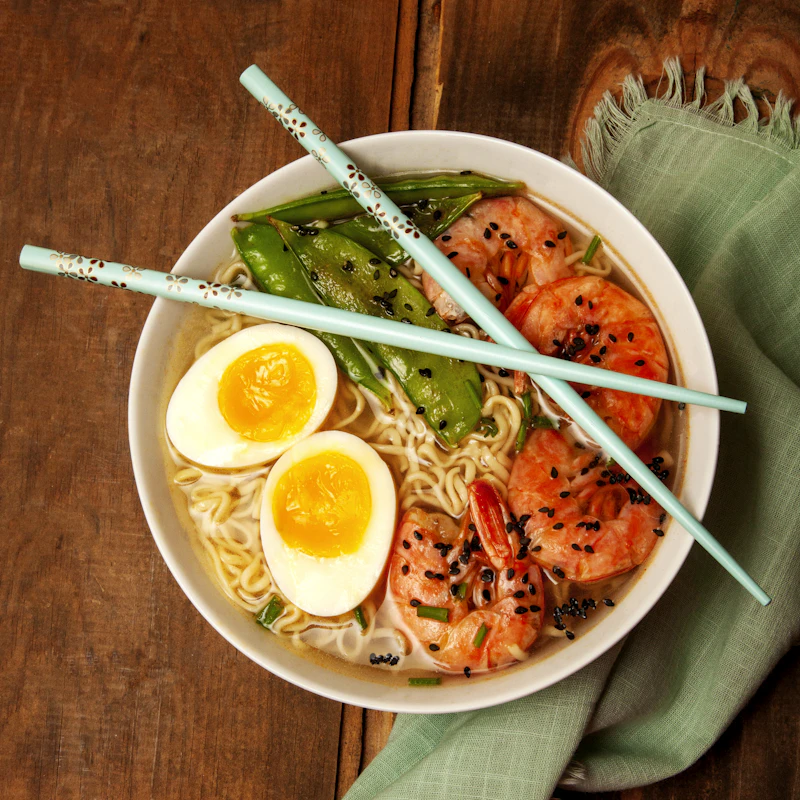
Hokkaido, Japan's northernmost prefecture, is a land of extreme weather, vast landscapes, and extraordinary food. The cold winters that make survival challenging for humans create ideal conditions for certain agricultural and seafood traditions unmatched elsewhere in Japan. When the colder months arrive, Hokkaido becomes synonymous with premium ingredients—incredibly fresh seafood from the surrounding oceans, creamy dairy products, ramen perfected over generations, and a philosophy of eating seasonally and locally that makes food not just delicious but meaningful.
The Hokkaido Advantage: Geography and Ingredients
Hokkaido's remoteness and climate create unique ingredients unavailable in warmer regions. The water temperature of the surrounding oceans—the Okhotsk Sea, the Tsugaru Strait, and the Pacific—supports different fish and shellfish species than warmer coastal areas. The cold also creates ideal conditions for dairy farming, with grass-fed cattle producing milk so creamy that Hokkaido butter and ice cream have become luxury items across Japan.
The prefecture produces over 60% of Japan's seafood, including the country's finest uni (sea urchin), scallops, crab, and salmon. These aren't just ingredients; they're cultural symbols of Hokkaido identity and culinary pride.
Hokkaido's Ramen Traditions
Hokkaido has created several distinct ramen styles, each tied to a specific city and refined over decades.
Sapporo Ramen: Sapporo, Hokkaido's capital, created miso-based ramen featuring thick, curly noodles in rich broth often topped with butter, corn, and bean sprouts. The miso adds earthiness and depth; the butter adds richness. Sapporo ramen shops cluster in Ramen Yokocho (Ramen Alley) in downtown Sapporo, a narrow alley with nine tiny restaurants, each having held their spot for 50+ years. Bowls cost ¥950-¥1,300. Try Gantetsu Ramen or Ramen Masaya for classics, or visit a newer shop like Denkoji for refined versions.
Asahikawa Ramen: Asahikawa, in central Hokkaido, developed a lighter shoyu ramen featuring thin, curly noodles and a broth made with pork, chicken, and seafood. The top is often garnished with fried onions and vegetables. The flavor is more delicate than Sapporo's heavier miso approach. Try shops in Asahikawa's ramen alley for ¥850-¥1,200.
Hakodate Ramen: Hakodate, in southern Hokkaido, created shio ramen with clear broth made from seafood and pork. It's lighter than both Sapporo and Asahikawa, emphasizing the broth's clarity over richness. ¥900-¥1,300.
Miso Butter Corn Ramen: A signature Hokkaido creation, this combines Sapporo's miso base with butter and sweet corn. It seems indulgent—and it is—but the flavors work harmoniously. ¥1,000-¥1,400.
Hokkaido Seafood: Premium Ingredients
Uni (Sea Urchin): Hokkaido produces the world's finest uni. Sea urchin roe is harvested carefully, cleaned, and sold fresh or preserved in salt and soy. The best uni is creamy, slightly sweet, and melts on the tongue. Hokkaido uni costs ¥3,000-¥8,000 per bowl at premium sushi restaurants, or you can buy it directly from fish markets for ¥2,000-¥4,000 per small container.
Premium uni from Hokkaido includes:
- Bafun Uni: Purplish sea urchin from the rough outer coast, prized for rich flavor
- Murasaki Uni: Similar to bafun, with intense sweetness
- Akagani Uni: Red sea urchin, slightly less intense but still excellent
Visit Hokkaido during June-August (uni season) for maximum freshness. Summer tourists often miss this, focusing on skiing, but summer Hokkaido offers seasonal delicacies Tokyo never sees.
Hotate (Scallops): Hokkaido's scallops are among the world's best. They're larger, sweeter, and more tender than Atlantic scallops. Served raw as sashimi, grilled with butter, or in risotto, they're a Hokkaido staple. ¥2,000-¥4,000 for a sashimi platter.
Kani (Crab): Hokkaido produces several crab varieties:
- Taraba Kani (king crab): Massive, succulent, intensely sweet. A single leg can feed two people.
- Hanasaki Kani: Spiky, flavorful, smaller than taraba
- Snow Crab: Delicate, sweet meat
Kani season (October-March) is prime time. A kani meal at a specialty restaurant costs ¥8,000-¥20,000. Street vendors in Asahikawa and Sapporo sell grilled kani legs for ¥2,000-¥5,000.
Salmon and Ikura: Hokkaido salmon is premium—the cold waters and short growing season concentrate flavor. Ikura (salmon roe) appears on rice bowls, sushi, and pasta throughout Hokkaido. A salmon ikura donburi (rice bowl) costs ¥1,500-¿2,500 at markets and casual restaurants.
Shrimp and Krill: Hokkaido produces abundant shrimp (ebi) and krill used in traditional soups and seafood dishes. The broth made from shrimp shells is rich and aromatic.
Hokkaido's Dairy Excellence
Hokkaido butter and milk are so prized that they're exported globally and featured in luxury desserts throughout Japan. The dairy farming tradition benefits from vast grasslands and a cool climate that keeps cattle healthy and milk fresh.
Hokkaido Milk: Fresh milk from Hokkaido tastes noticeably creamier than milk from warmer regions. Hokkaido dairy farms sell milk directly and through gift shops. A bottle costs ¥400-¥700.
Hokkaido Butter: Premium butter made from Hokkaido milk has become a status symbol in Japan. Famous brands include:
- Takashimaya Hokkaido Butter: Premium butter sold at department stores, ¥1,500 for a small pack
- Yoichi Butter: Sold at specialty shops, ¥800-¥1,200
Ice Cream and Soft Serve: Hokkaido ice cream is exceptionally creamy due to the milk quality. Soft serve ice cream (sofu kurimu) appears everywhere in Hokkaido—from convenience stores to specialty shops. Flavors include milk, melon, corn, and even ramen (yes, really). Costs ¥400-¥800.
Hokkaido Cheese: The dairy industry has expanded into cheese-making. Hokkaido produces excellent cheddar, brie, and unique Japanese-influenced cheeses. A cheese plate at a cafe costs ¥1,500-¥2,500.
Regional Hokkaido Specialties by City
Sapporo: Beyond ramen, Sapporo is known for corn, butter, seafood, and beer. Sapporo Beer is one of Japan's finest, and the brewery offers tours. Miso butter corn is a Sapporo invention. The Sapporo Fish Market offers incredible seafood meals for ¥3,000-¥6,000.
Asahikawa: Famous for ramen and gyoza (dumplings). Asahikawa gyoza are meat-filled, pan-fried dumplings that are crispier and richer than other regional styles. Try them at Asahikawa Gyoza Yokocho for ¥600-¥900 per serving.
Hakodate: Seafood capital of Hokkaido. The Hakodate Morning Market (Asaichi) is legendary, offering fresh sashimi bowls, scallops, and unusual seafood for reasonable prices. A sashimi bowl costs ¥2,000-¥4,000.
Kushiro: Known for kushiro shamo (local chicken) and seafood. The Kushiro Shitsugen (wetlands) supply freshwater fish like pike and carp, used in local preparations.
Otaru: Famous for seafood and historic charm. Otaru's canals are beautiful, and the small restaurants along them serve excellent kaisen donburi (seafood rice bowls) for ¥2,500-¥4,000.
Hokkaido Specialty Foods to Bring Home
Hokkaido has exceptional food souvenirs:
- Hokkaido Butter Cookies: Butter-based cookies that are addictive. ¥800-¥2,000 per box
- Sea Urchin (Uni) in Jars: Preserved uni that lasts months. ¥3,000-¥6,000
- Hokkaido Cheese: Various cheese types. ¥1,500-¥4,000
- Ramen Packages: Famous brands of Sapporo, Asahikawa, and Hakodate ramen. ¥1,000-¥2,000 for a package
- Corn Snacks: Sweet corn in various forms. ¥500-¥1,500
- Milk and Dairy Products: Hokkaido milk in shelf-stable cartons, butter, yogurt. ¥600-¥2,000
Eating Seasonally in Hokkaido
Spring (April-May): Fresh vegetables, seafood beginning to peak. Mountain vegetables emerge.
Summer (June-August): Uni season, peak freshness for seafood, corn, melon.
Autumn (September-October): Salmon season, mushrooms, final seafood abundance before winter.
Winter (November-March): Crab season, heavy ramen traditions warm you, preserved foods shine.
How to Experience Hokkaido Food Culture
Start at a food market—Asahikawa's Sanroku Market, Sapporo's Ramen Yokocho, or Hakodate's Morning Market. These spaces are living food culture, where you'll see locals eating side-by-side with tourists, and where vendors will talk passionately about their products.
Visit a ramen shop multiple times in different cities to taste regional variations. This isn't obsessive—it's how Hokkaido people explore their own food culture.
Book a brewery tour at Sapporo Beer or another local brewery. Understanding how local beer is made deepens appreciation for the food-and-drink ecosystem.
Seek out farm-to-table restaurants that highlight seasonal ingredients. Many are in rural areas and worth the travel.
Conclusion
Hokkaido's food culture is defined by its geography—the cold that makes life challenging also creates extraordinary ingredients that taste like nowhere else on Earth. Whether you're eating ramen that warms you through a long winter, savoring uni that costs more but tastes worth every yen, or enjoying ice cream made from the creamiest milk you've ever tasted, Hokkaido food connects you to a place and its people. The commitment to quality, seasonality, and regional pride that defines Hokkaido cuisine makes it not just delicious, but deeply meaningful—a reflection of a region that has learned to thrive in harsh conditions and create abundance from them.
Last updated: May 2025. Information verified for the current travel season.
How to Plan Your Hokkaido Food: Seafood, Dairy and the North's Finest Flavors Trip: Step-by-Step Guide
As of 2025, Japan is more accessible than ever for independent travelers. Here's how to plan a seamless hokkaido food: seafood, dairy and the north's finest flavors experience.
- Decide your dates: Check seasonal conditions, festivals, and peak tourist periods for your destination. Japan's Golden Week (late April–early May) and Obon (mid-August) are the busiest — book 3–4 months ahead if traveling then.
- Book accommodation early: Quality ryokan, budget guesthouses, and city hotels in popular areas sell out fast. Book on Booking.com, Jalan, or Rakuten Travel 2–3 months in advance. Expect ¥8,000–¥25,000 ($55–$172 USD) per night for mid-range options.
- Plan your JR Pass usage: If traveling between multiple regions, a JR Pass (7-day: ¥50,000 / $345 USD; 14-day: ¥80,000 / $552 USD) may save money over individual Shinkansen tickets. Calculate your routes before purchasing.
- Download key apps: Google Maps (offline maps), Google Translate (camera translation mode), HyperDia (train schedules), and Tabelog (restaurant reviews in English) are essential for smooth travel.
- Get cash ready: Japan remains largely cash-based outside major tourist areas. Withdraw ¥30,000–¥50,000 ($200–$345 USD) at 7-Eleven or Japan Post ATMs (both reliably accept foreign cards) on arrival.
- Learn 10 key phrases: "Sumimasen" (excuse me), "arigatou gozaimasu" (thank you), "eigo wa hanasemasu ka?" (do you speak English?), and basic food allergy phrases go a long way toward smooth interactions.
- Build in flexibility: Japan rewards spontaneity. Leave at least 20% of each day unscheduled for serendipitous discoveries — a tiny ramen shop with a line outside, a festival you didn't know was on, or a neighborhood you stumbled into.
FAQ: Hokkaido Food: Seafood, Dairy and the North's Finest Flavors
When is the best time to visit for hokkaido food: seafood, dairy and the north's finest flavors in Japan?
As of 2025, Japan's best travel windows depend on your priorities. Spring (late March–early May) offers cherry blossoms and mild weather but peak crowds. Autumn (October–November) brings spectacular foliage with fewer tourists than spring. Summer (June–August) is hot and humid but rich with festivals. Winter (December–February) is cold but offers snow scenery, fewer crowds, and lower accommodation prices outside ski resorts.
How much should I budget per day in Japan?
Budget travelers spending ¥6,000–¥10,000 ($41–$69 USD) per day can eat well at convenience stores and local restaurants, use public transport, and stay in hostels or budget guesthouses. Mid-range travelers spending ¥15,000–¥30,000 ($103–$207 USD) enjoy comfortable hotels, full restaurant meals, and museum admissions. Luxury travelers spending ¥50,000+ ($345 USD) can access ryokan, kaiseki dining, and premium experiences.
Do I need to speak Japanese to enjoy this experience?
English proficiency among younger Japanese has improved significantly. As of 2025, major tourist sites, hotels, and restaurants in cities typically have English menus and signage. Google Translate's camera function handles most written Japanese on the fly. Learning 10–20 basic phrases dramatically improves interactions in less-touristed areas. Japan's culture of hospitality (omotenashi) means locals will go out of their way to help even with limited shared language.
Is Japan safe for solo travelers and tourists?
Japan consistently ranks among the world's safest countries for travelers. Violent crime against tourists is extremely rare. Lost wallets and belongings are frequently turned in to police boxes (koban). Solo female travelers routinely report feeling safer in Japan than anywhere else they've visited. Standard travel precautions apply — keep copies of important documents and be aware of your surroundings in busy entertainment districts late at night.
What is the easiest way to get around Japan?
Japan's public transport system is the world's most reliable and comprehensive. The JR Pass offers unlimited Shinkansen and limited express train travel (7-day: ¥50,000 / $345 USD; 14-day: ¥80,000 / $552 USD). IC cards (Suica, Pasmo) cover all city subways, buses, and many taxis. For rural areas, rental cars provide freedom — international driving permits are accepted and roads are well-signed in both Japanese and Roman characters.
What should I pack for this experience in Japan?
Essential items: IC transport card (load on arrival), pocket wifi or SIM card (reserve online before departure for ¥500–¥1,000 / $3.50–$7 USD per day), comfortable walking shoes (expect 15,000–25,000 steps daily), small cash reserve in yen (many small shops and vending machines are cash-only), and a compact umbrella (Japan's weather changes quickly). Leave bulky luggage at your hotel and use takkyubin (luggage forwarding services, ¥1,500–¥2,500 / $10–$17 USD per bag) to travel between cities unencumbered.