The Complete Guide to Japanese Izakayas: How to Order, What to Drink, Where to Go
The izakaya (居酒屋, literally "stay-drink-shop") is the social heart of Japanese nightlife and drinking culture. Unlike Western bars where standing and drinking is standard, izakayas are casual taverns where groups sit, order small dishes and drinks, and socialize for hours. As of 2025, approximately 45,000 izakayas operate in Japan, generating ¥2.8 trillion ($19.31 billion USD) in annual revenue. This guide explains what izakayas are, how to navigate them, what to order, how to behave, and where the best ones are located.
What Is an Izakaya?
Izakaya Concept and Culture
The izakaya is fundamentally different from Western bars in purpose, atmosphere, and function:
- Food-centric: Food is primary; alcohol is secondary. Meals last 1.5-3 hours with emphasis on eating while drinking.
- Group-oriented: Izakayas are designed for groups (4-6+ people typical), not for solo drinking. Solo customers are accommodated at the counter but not the primary market.
- Casual and accessible: Dress code is casual (work clothes, jeans, T-shirts all acceptable). No reservations required at most izakayas (walk-ins expected). Prices are moderate (¥2,500-5,000 / $17.25-34.50 USD per person for a meal with drinks).
- Social equalizer: Izakayas are where corporate workers, students, and blue-collar employees socialize. The atmosphere is deliberately egalitarian and informal.
- After-work tradition (nomikai): The izakaya is where "nomikai" (飲み会, drinking gatherings) occur. Company outings, friend groups, romantic partners—all use izakayas as their default venue.
- Entertainment component: Many izakayas provide entertainment: karaoke, televised sports, dart games. The izakaya is about relaxation and fun, not refinement.
Historical Development
Izakayas emerged in the Edo period (1603-1868) as sake shops that allowed standing customers to drink on premises. Modern izakayas developed in the post-WWII era (1945-1960s) as Japan industrialized and workers needed informal gathering places. Izakayas exploded in popularity during Japan's economic boom (1970s-1990s) and remain central to Japanese social life.
As of 2025, the oldest continuously operating izakaya is Omoide Yokocho in Shinjuku, Tokyo (opened 1945 area, though individual shops vary in founding date). Other historic izakayas operate in Osaka, Kyoto, and other major cities.
Izakaya Dining Experience
How to Enter and Get Seated
Entry: Most izakayas are walk-in only (no reservations). Simply enter and wait for staff to seat you. If a full izakaya has a wait (unusual unless peak hours 6:00 PM - 8:00 PM), staff will provide a wait time estimate (typically ¥300 / $2.07 USD fee for waiting during busy times, though this is not standard everywhere).
Seating: You may be seated immediately or asked to wait 10-30 minutes (peak evening hours). No assigned tables—staff assigns your table based on availability and group size.
Counter seating: Most izakayas have a counter (often the best location) where you sit across from the kitchen and can watch food preparation. Counter seating is ideal for solo customers or pairs; groups get table seating.
Tatami seating: Some traditional izakayas have sunken table areas with tatami mats and floor seating. This is more formal than standard seating but still casual.
Ordering Process
Welcome drink: Upon sitting, staff usually brings a small glass of water and sometimes a small appetizer (otoshi, 落し), which is complimentary or charged ¥300-600 ($2.07-4.15 USD). The otoshi might be edamame, nuts, small vegetable salad, or similar.
Ordering: This is where cultural understanding helps. Izakayas typically operate on one of two systems:
- Menu ordering: Most modern izakayas have menus (paper or tablet). You order from the menu, and items arrive at your table over time (not all at once). Staff bring drinks first, then appetizers arrive in waves. This is the standard approach at chain izakayas and mid-range establishments.
- Verbal/continued ordering: Customers tell staff what they want verbally. As you finish one dish, you order the next. The meal progresses naturally over 1-2+ hours. This is common at traditional/local izakayas and counters.
Drinks first: Order alcohol first (beer, sake, chu-hai). Food comes after. The rhythm is drink → appetizer → main dish → side dishes → repeat.
Communication without language: Point at pictures on the menu. Use Google Translate to scan/translate menu if needed. Say "Osusume kudasai" (おすすめください = "recommend something") and staff will bring popular items. This is socially acceptable and expected from foreign customers.
Typical Izakaya Menu Items
Edamame (Boiled Soybeans): The unofficial izakaya staple. Nearly every izakaya serves this. Price: ¥400-600 ($2.75-4.15 USD). Texture: boiled, slightly salty. Eaten by removing beans from pods and discarding pods.
Gyoza (Dumplings): Pan-fried pork and vegetable dumplings. 6 pieces typical serving. Price: ¥500-750 ($3.45-5.18 USD). Served with dipping sauce (gyoza sauce = soy sauce + vinegar + chili oil).
Karaage (Fried Chicken): Bite-sized chicken pieces marinated in soy-ginger, deep-fried. Price: ¥600-900 ($4.15-6.21 USD). Served with lemon wedge and mayo or special sauce on the side.
Yakitori (Grilled Chicken Skewers): Chicken pieces grilled on skewers, seasoned with tare (sweet soy sauce) or salt. Pieces: 2-3 skewers typical. Price: ¥300-600 per skewer ($2.07-4.15 USD). Order multiple varieties: thigh, breast, wing, skin, liver, gizzard all have distinct tastes.
Okonomiyaki (Savory Pancake): Flour batter mixed with vegetables, meat/seafood, cooked on a griddle. Price: ¥900-1,400 ($6.21-9.66 USD). Topped with okonomiyaki sauce (Worcestershire-like sauce), mayo, bonito flakes. Available as Osaka-style (pre-mixed) or Hiroshima-style (layered).
Takoyaki (Octopus Balls): Battered octopus cooked in special spherical molds. Price: ¥600-800 ($4.15-5.52 USD). Served with takoyaki sauce, mayo, bonito flakes, aonori (seaweed powder).
Negima (Chicken and Green Onion Skewers): Alternating pieces of chicken and scallion on skewers, grilled. Price: ¥300-500 ($2.07-3.45 USD). Simple and delicious.
Tatsutage (Marinated Fried Chicken): Larger chicken pieces (compared to karaage), marinated in soy-ginger, fried. Price: ¥700-1,000 ($4.83-6.90 USD). Often family-style portions (shared platter).
Tsukune (Chicken Meatballs): Ground chicken formed into balls, grilled on skewers. Price: ¥300-500 ($2.07-3.45 USD). Often served with egg yolk on top (eaten as a sauce).
Sashimi Platters: Sliced raw fish (3-5 varieties). Price: ¥1,200-2,500 ($8.30-17.25 USD) depending on quality and quantity. Not all izakayas serve sashimi—check menu.
Tempura: Battered and fried vegetables or seafood. Price: ¥600-1,200 ($4.15-8.30 USD). Common items: shrimp tempura, vegetable tempura, kakiage (vegetable and shrimp fritter).
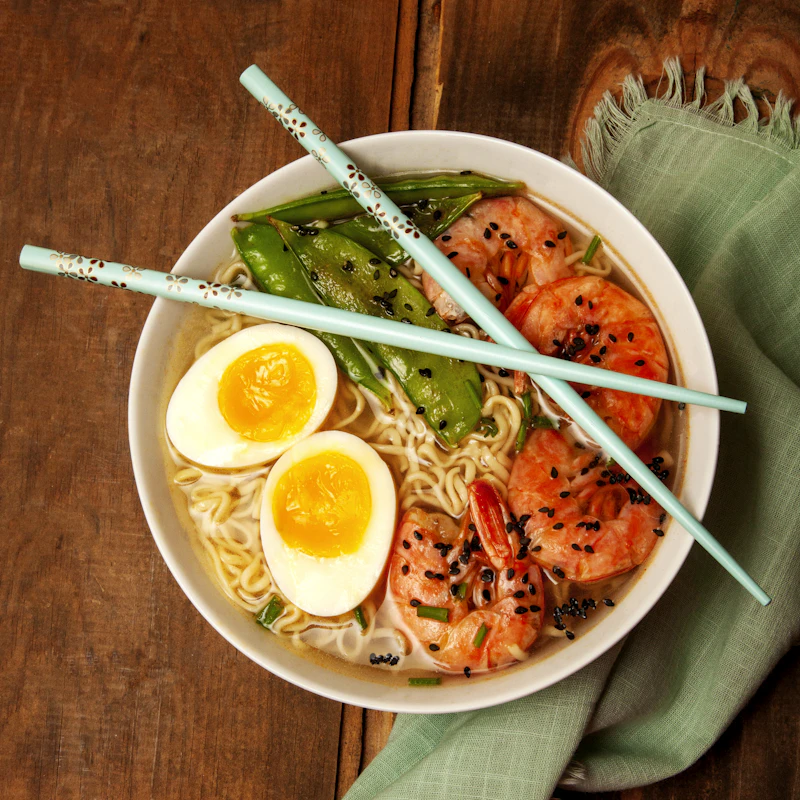
Noodles (Ramen, Udon, Soba): Often available in smaller izakayas. Price: ¥700-1,200 ($4.83-8.30 USD). Ordered as a final item (stomach filler).
Salads: Vegetable salads (often with creative dressings). Price: ¥500-900 ($3.45-6.21 USD). Common: seaweed salad, cucumber salad, mixed vegetable salad.
Pickled Vegetables (Tsukemono): Small plates of pickled vegetables. Price: ¥300-500 ($2.07-3.45 USD). Palate cleansers between rich dishes.
Drinking Culture and Beverages
Beer (Biru)
Beer is the default drink. Japanese beer brands:
- Asahi Super Dry: Most popular brand nationally. Light, crisp, 5.0% ABV. Price: ¥500-700 for a medium glass at izakaya ($3.45-4.83 USD).
- Kirin Ichiban: Second most popular. Slightly fuller body. 5.0% ABV. Price: ¥500-700.
- Sapporo: Hokkaido-based, slightly different flavor profile. Price: ¥500-700.
- Yebisu: Premium beer, fuller flavor. Price: ¥600-900 ($4.15-6.21 USD).
Draft beer (nama biru): Most izakayas serve draft beer (fresher, colder than bottles). Sizes: medium (medium glass, approximately 350ml) or large (approximately 500ml). Small is rarely offered. Prices above are for medium draft.
Serving tradition (kanpai): When drinks arrive, it's customary for the group to toast together, saying "Kanpai!" (乾杯, literally "empty glass"). Everyone raises glasses and drinks simultaneously. Then toasting is complete and casual drinking begins.
Continued drinking: Beer is typically finished in the first 30-45 minutes. Customers then switch to sake, chu-hai (see below), or sometimes wine. It's normal to have 2-3 different drinks over a 2-hour meal.
Sake (Japanese Rice Wine)
Sake is available at all izakayas. Selection varies dramatically (small izakayas might have 3-5 options; specialty sake izakayas have 50+).
Serving styles:
- Cold (hiya): Most common at izakayas. Served in small glasses or cups. Temperature: approximately 15-20°C (59-68°F).
- Warm (atsukan): Traditional serving, less common at modern izakayas but available. Temperature: approximately 45-55°C (113-131°F).
- Room temperature (jo-on): Specialty serving for premium sake. Temperatures: 20-25°C (68-77°F).
Serving sizes: Small glass (120-150ml) or medium glass (180-200ml). Prices: ¥500-1,500 ($3.45-10.35 USD) depending on sake quality.
Common types available:
- Dry sake (karakuchi): Lower sugar, clean finish. Pairs well with salty food.
- Sweet sake (amakuchi): Higher residual sugar. Easier drinking, appeals to those who don't usually drink sake.
- Medium (chukan): Balanced between dry and sweet.
Recommendation: Ask staff to recommend a sake matching the food you're eating. Sake pairing with izakaya food is an art.
Chu-hai (Cocktail Base Spirits)
Chu-hai (チューハイ) is a drink category that's hugely popular at izakayas. Generally a shochu-based spirit mixed with fruit juice, carbonated.
Common types:
- Lemon chu-hai: Shochu + lemon juice + carbonation. Refreshing, 5-8% ABV. Price: ¥500-700 ($3.45-4.83 USD). Most popular variety.
- Ume (plum) chu-hai: Plum-flavored. Slightly sweeter. Price: ¥500-700.
- Grapefruit chu-hai: Bitter-sweet. Price: ¥500-700.
- Green apple, strawberry, etc.: Many fruit variations available. Price: ¥500-700.
Preparation: Chu-hai is usually served in a glass with ice and carbonated water/soda, sometimes with fruit garnish. Alternatively, many izakayas have pre-made canned chu-hai served chilled.
Why it's popular: Chu-hai is lower alcohol than pure spirit, refreshing, relatively inexpensive, and appeals to those who find sake or straight spirits too strong.
Shochu
Shochu (焼酎) is a distilled spirit, typically 25% ABV, made from barley, sweet potato, or rice. Often mixed with water and ice (on the rocks) or with water (mizuwari, literally "water split").
Price: ¥500-900 ($3.45-6.21 USD) for a serving.
Popular types:
- Barley shochu (mugi): Most popular. Clean taste.
- Sweet potato shochu (imo): Earthy, distinctive flavor.
- Rice shochu (kome): Light, slightly sweet.
How to order: "On the rocks" (on za rokku) or "with water" (mizuwari). Specifying this prevents confusion with straight shots.
Wine and Spirits
Wine, whiskey, and cocktails are available at most izakayas, though selection is typically limited.
- Wine: Usually red or white house wine. Price: ¥600-1,000 ($4.15-6.90 USD) per glass.
- Whiskey: Typically Japanese whiskey (Suntory, Nikka brands). Price: ¥700-1,500 ($4.83-10.35 USD) for a serving.
- Cocktails: Basic cocktails (highballs, sours) available. Price: ¥700-1,200 ($4.83-8.30 USD).
Recommendation: If seeking wine or sophisticated cocktails, go to a wine bar or cocktail bar rather than izakaya (which specializes in beer/sake).
Non-Alcoholic Options
Soft drinks: Cola, juice, tea available. Price: ¥300-500 ($2.07-3.45 USD). Not expected but always available.
Oolong tea (oolong cha): Japanese oolong tea, often served hot. Price: ¥300-400 ($2.07-2.75 USD). Common non-alcoholic choice.
Ramune: Marble-in-bottle Japanese soda. Price: ¥400-600 ($2.75-4.15 USD). Novelty option.
Izakaya Etiquette and Behavior
Dos and Don'ts
DO:
- Say "Kanpai!" loudly and enthusiastically when toasting (this is expected and appreciated).
- Try foods recommended by staff (they know what's good).
- Make noise, laugh, and be animated (izakayas are social, loud environments).
- Use chopsticks, fork, or hands depending on the food (karaage is eaten with hands; yakitori is picked off skewers with teeth or chopsticks).
- Keep drinking pace moderate (2-3 drinks over 2+ hours is normal; excessive drinking is socially stigmatized in modern Japan despite historical drinking culture).
- Ask staff questions about drinks or food (they're there to help).
- Pay the bill within 30 seconds of finishing (lingering after finishing is not standard; the table is needed for the next group).
- Tip is NOT necessary (service charge included in prices). Tipping can be awkward/insulting.
DON'T:
- Arrive heavily intoxicated (public inebriation is socially unacceptable, even if drinking culture is present).
- Smoke unless in a designated smoking area (smoking laws vary by venue; most modern izakayas have separate smoking sections or are smoke-free).
- Pour your own drink (pour for others; they pour for you—this is reciprocal social courtesy).
- Refuse a drink if offered by a senior (in business contexts, refusing a boss's offer to drink is rude; declining politely is acceptable in casual settings).
- Bring outside food or drinks (this is considered disrespectful to the establishment).
- Touch food or drinks on other tables (obvious, but worth stating).
- Shout loudly for staff (raise your hand or make eye contact—staff will come).
- Leave without paying (obviously).
Seating Hierarchy and Group Dynamics
In formal business settings (nomikaI with coworkers), seating follows hierarchy: senior/boss sits at the head/best position, younger employees at the side. In casual settings (friends, romantic dinner), seating is egalitarian. Tourists are exempt from formal seating expectations.
Bottle service: When ordering sake by the bottle (sake-bin), a bottle is placed on the table for the group. It's customary for people to pour for others (never pouring for yourself is the rule). This creates social bonding and ensures everyone drinks together.
Payment Methods and Tipping
Payment: Most izakayas accept cash and cards (increasingly all izakayas accept cards as of 2025). Small neighborhood izakayas might be cash-only.
Process: After finishing, catch staff's attention and say "Kaikei onegaishimasu" (会計をお願いします, "Check, please"). Staff brings a bill to your table or to the register (you go to the register to pay). Payment is made immediately (lingering after requesting the bill is not done).
Tipping: Absolutely not necessary and not expected. Japan's service culture includes excellent service without tips. Attempting to tip can create awkwardness ("Kekkou desu" = "That's enough" / "I can't accept tips"). If you want to express appreciation, simply saying "Gochisousama deshita" (ご馳走様でした, "thank you for the meal") is sufficient.
Cost estimation: A typical izakaya meal with drinks costs ¥2,500-5,000 ($17.25-34.50 USD) per person for 2+ hours of food and alcohol. Budget izakayas cost ¥2,000-3,000; upscale izakayas cost ¥5,000-8,000.
Where to Find the Best Izakayas
Tokyo
Shinjuku District:
- Omoide Yokocho (思い出横丁, "Memory Lane"): Historic alley with 50+ tiny izakayas, each seating 5-10 people. Established post-1945. Atmospheric, traditional. Prices: ¥2,000-3,500 per person. Hours: Most open 5:00 PM - 11:00 PM (some open earlier). No reservations; first-come first-served. Walking time from Shinjuku Station: 5 minutes.
- Nunohan Yokocho (布半横丁): Similar to Omoide, slightly newer (established 1970s), 30+ small shops. Prices: ¥2,500-4,000. Hours: 5:00 PM - 11:00 PM. Near Shinjuku Station.
- New York Grill & Bar (in Park Hyatt): Upscale (not traditional izakaya experience). Price: ¥8,000-15,000. Hours: 11:30 AM - 10:00 PM (dinner service 5:00 PM - 10:00 PM). Address: 52F, Park Hyatt Tokyo.
Shibuya District:
- Nonbei Yokocho (飲べい横丁, "Drinking Lane"): Alley with 30+ small izakayas. Less touristy than Shinjuku. Prices: ¥2,000-3,500. Hours: 5:00 PM - 11:00 PM daily.
- Takeshita-dori area: Numerous izakayas along the main pedestrian street. Prices: ¥2,500-5,000. Very busy weekends.
Ginza District:
- Izakayas in Ginza: Generally more upscale/formal. Prices: ¥4,000-8,000. Fewer tourist-focused establishments. Dress slightly more formally than other areas.
- Ginza Lion: Historic beer hall (since 1934), functions as an izakaya. Large, traditional. Prices: ¥3,000-5,000. Hours: 11:00 AM - 10:00 PM.
Roppongi District:
- Expat-friendly izakayas with English menus. Prices: ¥3,000-6,000. Note: Roppongi has reputation for overcharging foreign customers—be cautious and verify prices before ordering.
Osaka
Dotonbori District: Highly touristy but excellent food atmosphere. Prices: ¥2,500-5,000. Streets filled with street food and izakayas. Evening and night are peak times.
Shinchi District: Traditional izakaya alley, less touristy than Dotonbori. Prices: ¥2,000-4,000. Atmosphere: intimate, local.
Kiji Okonomiaki: Historic okonomiyaki restaurant (izakaya-like experience). Price: ¥900-1,500 per okonomiyaki. Established 1945. Hours: 4:00 PM - 10:00 PM (closed Mondays). Must reserve or arrive early.
Kyoto
Kyoto has fewer traditional izakayas (more formal dining culture). However, some excellent options:
- Gion Alley (Gion Shioji): Small izakayas mixed with traditional restaurants. Prices: ¥3,000-6,000. Atmospheric with geisha district context.
- Downtown Kyoto (near Kawaramachi): Modern izakayas catering to younger crowd. Prices: ¥2,500-4,500.
Finding Izakayas Without English
Google Maps search: Search "izakaya" or "居酒屋" in Maps. Ratings, hours, and reviews visible. Filter by rating (4.0+).
Tabelog.com: Japan's most popular restaurant review site (equivalent to Yelp). Izakaya category filter available. Reviews in Japanese (use translation app). Ratings: 0-5.0 scale.
Retty.me: Japanese restaurant discovery app/website. Similar to Tabelog. English version available.
Walking local neighborhoods: Small izakayas are not listed online. Walking residential areas at 5:30 PM - 7:00 PM reveals numerous small izakayas with noren (curtains) and red lanterns outside.
Ask hotel concierge: Most hotels have recommendations and can provide directions or make reservations (helpful for popular izakayas).
Frequently Asked Questions
Q: Can I go to an izakaya alone?
A: Yes, though izakayas are designed for groups. Solo customers sit at the counter (preferred seating). You'll observe groups around you, which can feel isolating, but staff are friendly and many solo regulars exist. Many Japanese people go to izakayas alone for a quick meal and drink.
Q: What if I can't finish all the food I order?
A: Leaving food is socially acceptable at izakayas (more casual than formal restaurants). There's no obligation to finish. Leaving alcohol is fine (no expectation to finish all drinks).
Q: How do I signal for the bill?
A: Make eye contact with staff and raise your hand slightly. Say "Kaikei onegaishimasu" (会計をお願いします). Never snap fingers (considered very rude). Staff will come within 30 seconds.
Q: Is it okay to split the bill?
A: Yes. Tell staff "Warikans" (割り勘, split) and they'll calculate individual bills. This is common among friends. If paying for a subordinate (business context), one person typically covers the bill—a Japanese business norm.
Q: What's the difference between an izakaya and a shokudo (food hall)?
A: Shokudos are casual daytime lunch spots serving rice bowls and noodles. Izakayas are evening/night drinking establishments with alcohol as primary. Shokudos rarely serve alcohol; izakayas rarely serve lunch. Overlaps exist at hybrid establishments.
Q: Can I take home leftover food?
A: This is not standard practice in Japan (unlike some Western restaurants offering takeaway containers). Asking is uncommon and slightly awkward. Expect staff to politely decline. If you have concerns about food waste, order smaller portions and request more if still hungry.
Q: Do I need to speak Japanese to enjoy an izakaya?
A: No. Using translation apps, pointing at pictures, and saying "osusume kudasai" (recommend) works perfectly. Staff expect foreign customers in major cities and are patient. Pronunciation of "kanpai" is enough Japanese to be socially appropriate.
Q: What's the proper alcohol etiquette with pouring?
A: When someone pours for you, hold your glass with both hands and acknowledge with "itadakimasu" (頂きます, literally "I humbly receive"). When you pour for others, hold the bottle with both hands and aim for the middle of their glass. If a senior pours for you, you should pour back when they finish their drink. Reciprocal pouring is the core concept.