What Is Udon?
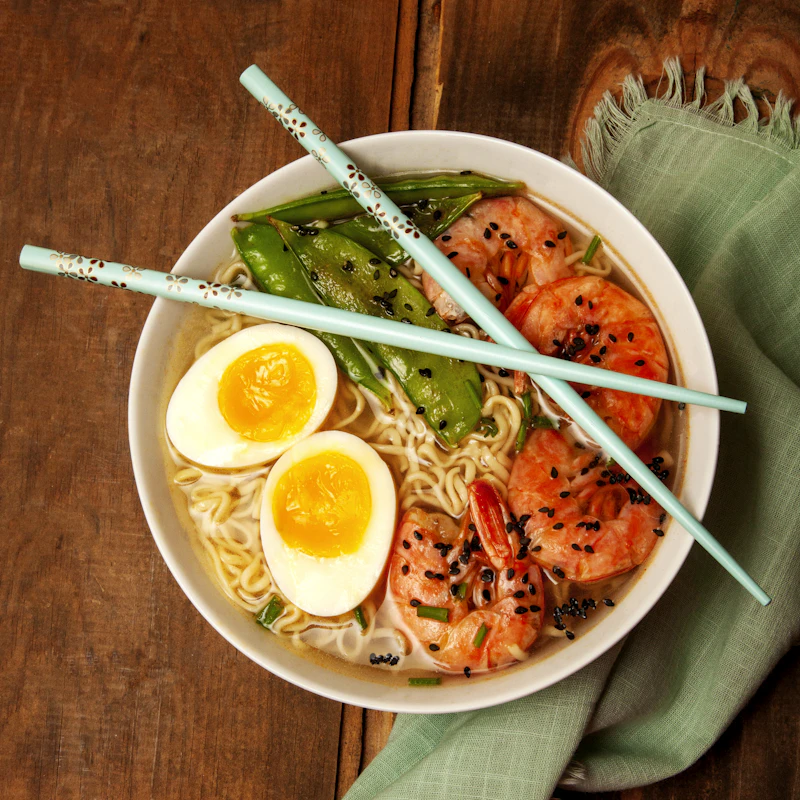
Udon (うどん) is Japanese thick wheat noodle soup—soft, chewy, comforting, and one of Japan's most beloved comfort foods. Unlike ramen (thin, curly noodles), udon features thick, straight noodles in a light seafood-based broth. It's accessible to Western palates and uniquely satisfying.
Udon is democratic dining: cheap, filling, delicious, and found everywhere from department stores to humble neighborhood shops.
The Noodles
Udon Characteristics
- Thickness: 3-4mm diameter (roughly the thickness of a pencil)
- Texture: Soft, chewy, slightly springy
- Ingredient: Wheat flour, salt, water (simple)
- Cooking method: Boiled until tender
Fresh vs. Dried Udon
Fresh udon: Made daily, chewier texture, shorter shelf life. Preferred at specialized restaurants.
Dried udon: Longer shelf life, slightly less chewy, more widely available.
Both are authentic and delicious.
Regional Udon Styles
Kanto Style (Tokyo)
Clear, light dashi broth with soy sauce. Shoyu-based. Simple, refined, emphasizing noodle quality.
Characteristics: Light brown broth, delicate flavoring, focus on noodle texture
Kansai Style (Osaka, Kyoto)
Lighter-colored broth, sometimes made from kombu (seaweed) rather than bonito. Subtle, elegant flavor.
Characteristics: Pale broth, refined taste, seasonal ingredients
Sanuki Udon (Kagawa Prefecture)
Chewier, slightly thicker noodles. Created in Kagawa, now served nationwide. Premium quality is prized.
Characteristics: Thick noodles, firm texture, delicate broth
Note: Visit Kagawa to eat udon where it originated. The difference in water quality and ingredients creates superior noodles.
Kishimen (Nagoya/Kansai)
Flat, ribbon-like noodles instead of round thick noodles. Different texture, same broth base.
Characteristics: Flat shape, wider surface area, quick cooking
Inaniwa Udon (Akita Prefecture)
Thinner than standard udon, delicate. Specialty from Akita region. Premium, often expensive.
Characteristics: Thin, silky texture, light broth, specialty ingredient
Types of Udon Dishes
Kake Udon (Plain Udon)
Just noodles in hot broth, minimal toppings. The base format.
Toppings: Green onion, sometimes kamaboko (fish cake), sometimes nori (seaweed)
Price: ¥300-600
Tempura Udon
Udon with tempura (shrimp or vegetable) on top or on the side.
Variations: Kakiage udon (mixed vegetable tempura), ebi tempura udon (shrimp), tori tempura udon (chicken)
Price: ¥600-1,200
Curry Udon
Udon in Japanese curry broth instead of dashi broth.
Characteristics: Spiced, warming, hearty
Price: ¥700-1,200
Zaru Udon (Cold Udon)
Cold noodles served on a bamboo plate with dipping sauce (tsuyu) on the side. Summer specialty.
Characteristics: Refreshing, chewy texture emphasized
Price: ¥600-1,000
Karaage Udon
Udon topped with fried chicken (karaage).
Characteristics: Textural contrast—hot broth, cold crispy chicken
Price: ¥700-1,200
Sukiyaki Udon
Udon with sukiyaki-style beef and vegetables simmered together.
Characteristics: Rich, sweet-savory, hearty
Price: ¥800-1,500
Restaurant Types
Sanuki Udon Specialty Shops (Kagawa)
In Kagawa, where Sanuki udon originated, specialized shops dominate:
- Focus on noodle quality
- Premium water quality
- Fresh noodles daily
- Simple, refined approach
- Very affordable (¥300-800)
Udon Chains
Nationwide chains serving consistent quality:
Marugame Monzo: Most popular chain, self-service style
Hanamaru Udon: Similar self-service model
Tanuki Udon: Various styles
Characteristics:
- Quick service
- Self-select toppings
- Pay at counter
- Budget-friendly
Price: ¥300-800
Traditional Udon Restaurants
Family-run shops with long history:
- Counter seating
- Handmade noodles
- Intimate atmosphere
- Better quality than chains
Price: ¥500-1,200
Department Store Food Halls
Premium udon sold as bento or ready-to-eat:
- High quality
- Beautiful presentation
- Intended for special occasions
- More expensive
Price: ¥800-1,500
Standing Shops (Tachi-gui Udon-ya)
Quick, informal stand-up counters:
- No seating
- Eat while standing
- Very quick service
- Budget-friendly
Price: ¥300-600
How to Order
At Chain Restaurants (Most Common)
Step 1: Enter and take a tray
Step 2: Choose noodle type (usually just regular udon)
Step 3: Choose broth type (typically kake/plain is default)
Step 4: Move down the line selecting toppings:
- Green onion (negi)
- Egg (tamago)
- Kamaboko (fish cake)
- Tempura
- Karaage
- Other items
Step 5: Pay at register (¥300-1,000)
Step 6: Receive hot udon and eat at table
At Traditional Restaurants
- Sit at counter or table
- Receive menu (pictures usually available)
- Order verbally: "Udon hitotsu kudasai" (One udon, please)
- Specify type: "Tempura udon" or "Kake udon"
- Add toppings: "Tamago tsuika" (Add egg)
- Wait 5-10 minutes for fresh noodles
Menu Terms
- Kake: Plain (just noodles and broth)
- Yaki: With various toppings
- Yama: Mountain (usually tempura or karaage)
- Chikara: Strong (extra protein)
- Zaru: Cold noodles
- Curry: Curry broth
Eating Udon Properly
The Setup
Your udon arrives in a deep bowl with hot broth, noodles, and toppings. A small spoon may be provided.
Eating Technique
Step 1: Use chopsticks to lift noodles from the broth.
Step 2: Slurp audibly. In Japan, slurping is not only acceptable but encouraged—it aids cooling and ingestion.
Step 3: Dip noodles into the broth as you slurp.
Step 4: Eat toppings between noodle groups.
Step 5: As you finish noodles, drink the remaining broth directly from the bowl (or with a spoon).
Step 6: Don't leave broth—finishing everything is normal and appreciated.
Slurping Etiquette
Loud slurping is completely normal and expected. It's not rude—it's the proper way to eat hot noodles. The slurp cools the noodles and enhances the eating experience.
Price Guide
- Basic udon (standing shop): ¥200-400
- Udon with tempura: ¥600-900
- Premium specialty udon: ¥800-1,500
- Traditional restaurant udon: ¥600-1,200
- Specialty regional udon: ¥800-2,000+
Practical Tips for Tourists
Start at chains: Marugame Monzo or Hanamaru provides low-stakes introduction to udon culture.
Sanuki udon pilgrimage: If visiting Kagawa, make Sanuki udon a priority. The noodle quality difference is profound.
Try cold udon in summer: Zaru udon is refreshing and showcases noodle texture beautifully.
Slurp without shame: Loud slurping shows appreciation. Embrace it.
Ordering strategy: Start simple (plain kake udon), then try specialty styles.
Timing: Lunch (11:30-1:30) is crowded; try 2-4 PM for calm dining.
Toppings strategy: Try plain udon first to taste the noodles, then add toppings for variety.
Ask for recommendations: "Kyou no osusume wa?" (What's recommended today?)
Pairing: Cold beer goes surprisingly well with udon.
Temperature management: Udon is served very hot. Initial slurps are cautious—take time to cool.
Why Udon Is Worth Exploring
Udon represents accessible excellence in Japanese food culture. You can eat genuinely good udon for ¥400. It's satisfying, filling, and delicious.
The regional variations teach you about Japan's food diversity. Kanto vs. Kansai styles, Sanuki vs. Inaniwa—each has distinct character.
Most importantly, udon is comfort food that everyday Japanese people eat multiple times per month. Eating udon connects you to normal Japanese life, not tourist experiences.
Try it, slurp loudly, and enjoy one of Japan's greatest contributions to global noodle culture.