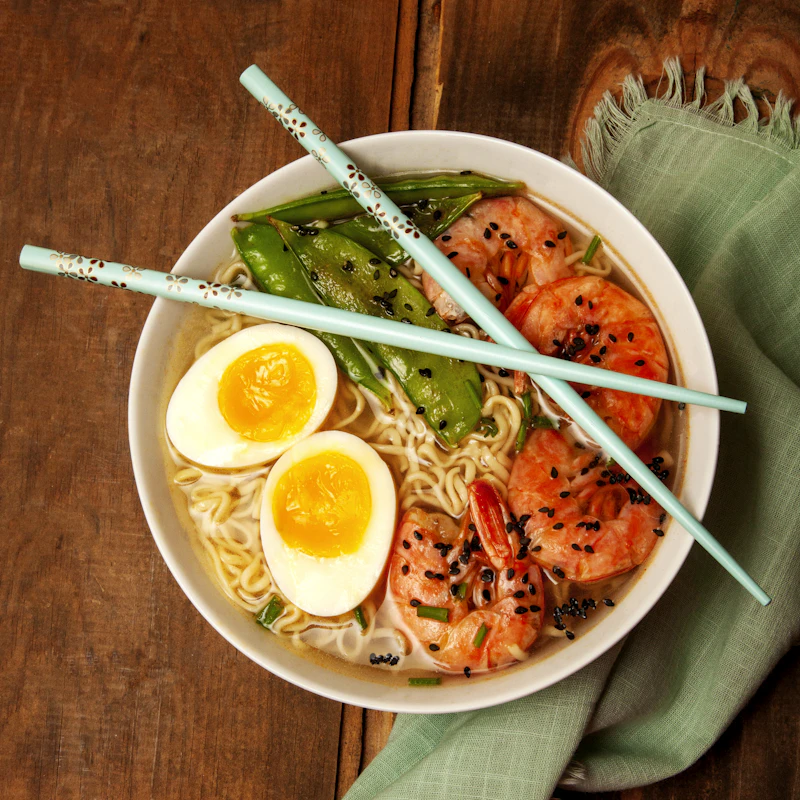
Tofu in Japan is not the bland, anonymous ingredient many Westerners know from grocery stores. Japanese tofu is a celebration of subtlety, delicate texture, and simple preparation that lets the ingredient's nuanced flavor shine. Tofu is produced fresh at small tofu shops throughout Japan, eaten in countless preparations—from silken tofu in a light broth to crispy agedashi tofu to the elaborate yudofu (tofu hot pot) of Kyoto temples. Understanding tofu in Japan means understanding how simplicity, when executed with care and using quality ingredients, becomes extraordinary.
The Types and Textures of Japanese Tofu
Silken Tofu (Kinugoshi Tofu): Smooth, creamy, delicate—this is the softest tofu type. It has a custard-like texture and is typically eaten chilled with just soy sauce and ginger, or in light broths. The flavor is subtle and slightly sweet. This tofu bruises easily and has a delicate structure that requires careful handling.
Firm Tofu (Momen Tofu): Pressed to remove excess water, firm tofu has texture and substance. It can be grilled, pan-fried, or cut into cubes for hot pot without falling apart. The flavor is slightly more pronounced than silken tofu.
Medium Tofu: Between silken and firm, this intermediate option works well in various preparations.
Fried Tofu (Agedashi Tofu): Cubes of tofu, lightly coated and deep-fried until golden and crispy on the outside while remaining soft inside. Served in a light dashi broth with ginger and scallion, this is one of Japan's most popular tofu preparations. ¥1,000-¥1,500 at restaurants.
Tofu Pockets (Aburage or Inari): Thin tofu sheets fried until crispy and slightly hollow. These are stuffed with rice in inari sushi, or used in other preparations.
Freeze-Dried Tofu (Koya Tofu): Tofu that's frozen and dried, then rehydrated before cooking. This has a spongy texture and takes on flavors easily, making it useful in various dishes.
Regional Tofu Traditions
Kyoto Tofu: Kyoto is famous for exceptionally high-quality tofu. Water from nearby mountains is soft and perfect for tofu-making. Kyoto tofu shops have been operating in the same locations for generations.
The most famous Kyoto tofu preparation is yudofu—silken tofu simmered in light dashi broth with vegetables. This originated in Buddhist temples and is now available throughout Kyoto. A yudofu meal costs ¥2,000-¥4,000 and typically includes multiple courses—tofu, vegetables, broth, rice, and pickles.
Famous yudofu restaurants cluster near temples in Arashiyama and Higashiyama districts. Try Hyotei (established 1582) or Ginkakuji-Kinkakuji area restaurants.
Okinawan Tofu: Okinawa has a distinct tofu tradition—goya champuru features tofu stir-fried with bitter melon. Okinawan tofu is often pressed more thoroughly than mainland tofu and has different texture.
Agedashi Tofu Excellence: While available nationwide, certain restaurants are famous specifically for agedashi tofu preparation. The key is achieving the perfect balance—crispy exterior, creamy interior, flavorful broth that complements without overwhelming the tofu.
Tofu Preparations You'll Encounter
Hiyayakko (Chilled Tofu): Silken tofu served cold with simple toppings—soy sauce, ginger, bonito flakes, nori, and scallion. The minimal preparation emphasizes the tofu's flavor. ¥600-¥1,000.
Agedashi Tofu: As described above, this is one of Japan's most popular tofu dishes. The contrast between crispy exterior and creamy interior is essential.
Yosenabe: A hot pot (nabe) with various ingredients including tofu, vegetables, seafood, and mushrooms in a light broth. You cook ingredients at your table and eat as they cook. ¥2,500-¥4,000.
Tofu in Miso Soup: A bowl of miso soup typically contains a cube or two of tofu, vegetables, and nori. This is often the first dish in a Japanese meal. ¥500-¥800.
Tofu in Hot Pot (Sukiyaki or Shabu Shabu): Tofu plays a supporting role in these meat-focused hot pots, but it's an important one, adding textural contrast and absorbing flavors.
Tofu in Soups: Various soups feature tofu—ramen, udon, and clear broths all commonly include it.
Okara (Tofu Byproduct): When soybeans are processed for tofu, the leftover pulp (okara) is cooked as a side dish—slightly nutty, with good texture. Often served as an appetizer at restaurants. ¥500-¥800.
Where to Find Exceptional Tofu
Tofu Shops: Small dedicated tofu shops (tofuya) throughout Japan make fresh tofu daily. Many sell directly to customers—you can buy warm tofu in the morning, eat it with minimal preparation. A block of fresh tofu costs ¥200-¥500 at these shops.
Walking into a tofu shop and buying warm tofu, then eating it at a nearby park or your accommodation with just salt and soy sauce, is a wonderful Japanese experience.
Yudofu Restaurants (Kyoto): As mentioned, Kyoto has exceptional yudofu restaurants, many in temples or temple-adjacent locations. These provide cultural context alongside exceptional food. ¥2,000-¥4,000 per person.
Agedashi Tofu Specialists: Most Japanese restaurants serve agedashi tofu, but some specialize in it. These usually have a few different versions—variations with different toppings or broths.
Department Store Food Courts: Depachika (department store food halls) usually have excellent prepared tofu dishes at reasonable prices. You can eat standing up or take away. ¥800-¥1,500.
Convenience Stores: Even convenience stores sell prepared tofu—hiyayakko, agedashi tofu, tofu in broth. Quality is decent and prices are low (¥300-¥600).
Tofu Hot Pot Restaurants: These are common throughout Japan, particularly in autumn and winter. You sit at a table with a built-in burner, cook tofu and other ingredients in broth, and eat directly from the pot. ¥2,500-¥4,500 per person.
The Tofu-Making Process
Understanding how tofu is made deepens appreciation for the finished product. Essentially:
- Soybeans are soaked and ground
- The mixture is heated, and solids are separated from liquid (soy milk)
- Coagulant is added to the soy milk, causing it to curdle (similar to cheese-making)
- The curds are pressed to the desired firmness
- The finished tofu is cooled and packaged
Different coagulants and pressing techniques create different results. Hand-made tofu tastes noticeably different from industrially produced versions.
Some tofu shops offer tofu-making experiences where you'll see the process and eat warm tofu immediately after making. These typically cost ¥3,000-¥5,000 and are worthwhile if you're interested.
Nutritional and Cultural Significance
Tofu has been central to Japanese cuisine for centuries, particularly in Buddhist temple cooking where it's a primary protein. It's protein-rich, low in calories, and versatile. Buddhist monks developed countless tofu preparations over centuries, many of which are still made identically today.
Modern Japan views tofu as both a traditional food and a health food. It's served in home cooking, restaurants of all levels, and prepared dishes.
Tofu as a Souvenir
Tofu doesn't travel well—it's best fresh. However, you can buy:
- Koya tofu (freeze-dried): Lasts indefinitely, rehydrates easily, works in any preparation
- Tofu snacks: Packaged fried tofu pieces
- Tofu soups (instant): Mix with hot water
These cost ¥500-¥2,000 and work as small souvenirs.
Planning Tofu Experiences
Spring and Summer: Hiyayakko (cold tofu) is seasonally appropriate and refreshing. Visit tofu shops early in the morning when tofu is warmest and most creamy.
Fall and Winter: Yudofu and hot pot preparations are seasonal specialties. Many restaurants emphasize these during cooler months.
Year-Round: Agedashi tofu, miso soup, and other preparations are available all year.
Kyoto: Plan a dedicated yudofu meal as part of temple visits. Morning visits to temples often include breakfast including tofu.
Conclusion
Tofu in Japan reveals something profound: the simplest foods, when made with care and eaten with attention, can be extraordinary. A block of fresh tofu in a bowl with soy sauce and ginger tastes completely different from grocery store tofu in the West. The difference lies partly in ingredients and production methods, but also in philosophy—the belief that tofu, despite being humble and inexpensive, deserves respect and careful preparation. Eating tofu in Japan—whether enjoying hiyayakko at a tofu shop on a summer morning, eating agedashi tofu at a casual restaurant, or participating in a yudofu meal in a Kyoto temple—connects you to centuries of culinary tradition and teaches lessons about quality, simplicity, and the profound satisfaction that comes from doing simple things perfectly.
Last updated: May 2025. Information verified for the current travel season.
How to Plan Your Tofu in Japan: Regional Varieties and the Best Places to Eat It Trip: Step-by-Step Guide
As of 2025, Japan is more accessible than ever for independent travelers. Here's how to plan a seamless tofu in japan: regional varieties and the best places to eat it experience.
- Decide your dates: Check seasonal conditions, festivals, and peak tourist periods for your destination. Japan's Golden Week (late April–early May) and Obon (mid-August) are the busiest — book 3–4 months ahead if traveling then.
- Book accommodation early: Quality ryokan, budget guesthouses, and city hotels in popular areas sell out fast. Book on Booking.com, Jalan, or Rakuten Travel 2–3 months in advance. Expect ¥8,000–¥25,000 ($55–$172 USD) per night for mid-range options.
- Plan your JR Pass usage: If traveling between multiple regions, a JR Pass (7-day: ¥50,000 / $345 USD; 14-day: ¥80,000 / $552 USD) may save money over individual Shinkansen tickets. Calculate your routes before purchasing.
- Download key apps: Google Maps (offline maps), Google Translate (camera translation mode), HyperDia (train schedules), and Tabelog (restaurant reviews in English) are essential for smooth travel.
- Get cash ready: Japan remains largely cash-based outside major tourist areas. Withdraw ¥30,000–¥50,000 ($200–$345 USD) at 7-Eleven or Japan Post ATMs (both reliably accept foreign cards) on arrival.
- Learn 10 key phrases: "Sumimasen" (excuse me), "arigatou gozaimasu" (thank you), "eigo wa hanasemasu ka?" (do you speak English?), and basic food allergy phrases go a long way toward smooth interactions.
- Build in flexibility: Japan rewards spontaneity. Leave at least 20% of each day unscheduled for serendipitous discoveries — a tiny ramen shop with a line outside, a festival you didn't know was on, or a neighborhood you stumbled into.
FAQ: Tofu in Japan: Regional Varieties and the Best Places to Eat It
When is the best time to visit for tofu in japan: regional varieties and the best places to eat it in Japan?
As of 2025, Japan's best travel windows depend on your priorities. Spring (late March–early May) offers cherry blossoms and mild weather but peak crowds. Autumn (October–November) brings spectacular foliage with fewer tourists than spring. Summer (June–August) is hot and humid but rich with festivals. Winter (December–February) is cold but offers snow scenery, fewer crowds, and lower accommodation prices outside ski resorts.
How much should I budget per day in Japan?
Budget travelers spending ¥6,000–¥10,000 ($41–$69 USD) per day can eat well at convenience stores and local restaurants, use public transport, and stay in hostels or budget guesthouses. Mid-range travelers spending ¥15,000–¥30,000 ($103–$207 USD) enjoy comfortable hotels, full restaurant meals, and museum admissions. Luxury travelers spending ¥50,000+ ($345 USD) can access ryokan, kaiseki dining, and premium experiences.
Do I need to speak Japanese to enjoy this experience?
English proficiency among younger Japanese has improved significantly. As of 2025, major tourist sites, hotels, and restaurants in cities typically have English menus and signage. Google Translate's camera function handles most written Japanese on the fly. Learning 10–20 basic phrases dramatically improves interactions in less-touristed areas. Japan's culture of hospitality (omotenashi) means locals will go out of their way to help even with limited shared language.
Is Japan safe for solo travelers and tourists?
Japan consistently ranks among the world's safest countries for travelers. Violent crime against tourists is extremely rare. Lost wallets and belongings are frequently turned in to police boxes (koban). Solo female travelers routinely report feeling safer in Japan than anywhere else they've visited. Standard travel precautions apply — keep copies of important documents and be aware of your surroundings in busy entertainment districts late at night.
What is the easiest way to get around Japan?
Japan's public transport system is the world's most reliable and comprehensive. The JR Pass offers unlimited Shinkansen and limited express train travel (7-day: ¥50,000 / $345 USD; 14-day: ¥80,000 / $552 USD). IC cards (Suica, Pasmo) cover all city subways, buses, and many taxis. For rural areas, rental cars provide freedom — international driving permits are accepted and roads are well-signed in both Japanese and Roman characters.
What should I pack for this experience in Japan?
Essential items: IC transport card (load on arrival), pocket wifi or SIM card (reserve online before departure for ¥500–¥1,000 / $3.50–$7 USD per day), comfortable walking shoes (expect 15,000–25,000 steps daily), small cash reserve in yen (many small shops and vending machines are cash-only), and a compact umbrella (Japan's weather changes quickly). Leave bulky luggage at your hotel and use takkyubin (luggage forwarding services, ¥1,500–¥2,500 / $10–$17 USD per bag) to travel between cities unencumbered.