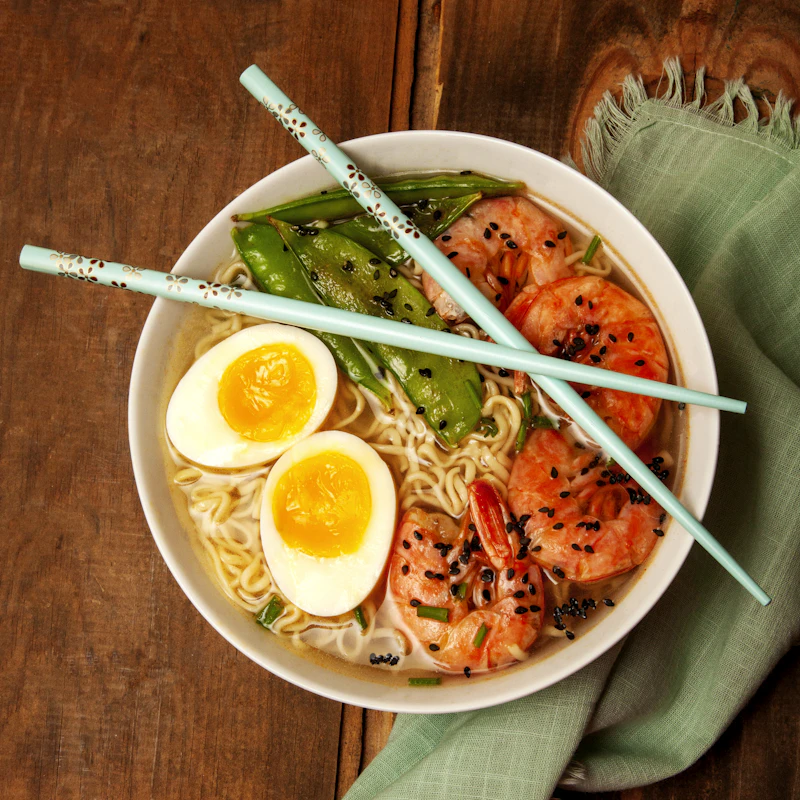
Japan's department store food courts (called "depachika" or デパ地下) are where locals eat, and where tourists often miss out on authentic, affordable cuisine. These underground food halls offer everything from high-end sushi to casual noodles, all prepared fresh and reasonably priced. It's where Tokyo's working professionals and home cooks gather.
What Is Depachika?
"Depa-chika" literally means "department store basement" (depāto = department store, chika = basement). These are gourmet food halls occupying the basement levels of major Japanese department stores.
Why Depachika?
Affordability - Prices are 20-30% lower than equivalent restaurants
Variety - Dozens of vendors in one location
Quality - Strict standards; only high-quality shops gain space
Speed - Order at the counter, eat nearby or take away
Authenticity - Local favorites alongside tourist-friendly options
Visual appeal - Beautifully plated, Instagram-worthy
Waste reduction - Unsold items marked down drastically (50-80% off) near closing time
Major Department Store Chains with Excellent Depachika
Tokyo
Shinjuku Isetan (伊勢丹)
- Massive depachika spanning nearly the entire basement
- 100+ vendors
- Everything from high-end wagyu to casual udon
- Prime location; expect crowds during lunch
- Best visits: 2-3 PM (post-lunch lull)
Ginza Mitsukoshi (三越)
- Elegant, refined depachika
- Focus on premium products
- Excellent sushi, wagyu, prepared foods
- Less crowded than Isetan
- Premium pricing
Shibuya Tobu (東武)
- Tourist-friendly
- English signage more common
- Good balance of authenticity and accessibility
- Smaller than Isetan but easier to navigate
Marunouchi Okubo (丸ノ内)
- Focus on prepared bento boxes
- Perfect for take-away
- Quick, efficient ordering
Osaka & Kansai
Shinsaibashi Mitsukoshi
- Osaka's best depachika
- Regional specialties (takoyaki, okonomiyaki)
- Excellent ramen and udon sections
Daimaru Umeda (大丸)
- Multiple restaurants and food stalls
- High volume; always fresh
- Good variety of prices
Nationwide Chains
Marui (丸井) - Budget-friendly depachika
Parco (パルコ) - Trendy, younger vibe; creative foods
Takashimaya (高島屋) - Premium, upscale depachika
How Depachika Works
Layout & Navigation
Most depachika are organized by food type:
Sushi section - High-end sushi shops, prepared sushi boxes, hand rolls
Ramen & Noodle section - Fresh ramen, udon, soba, take-away noodle dishes
Bento & Prepared foods - Ready-to-eat boxes, side dishes
Sweets & Pastries - Desserts, cakes, cookies
International section - Chinese, Italian, French-inspired foods
Specialty shops - Wagyu beef, premium meats, seafood
Ordering Process
- Scout the vendors - Walk around, look at displays, see what interests you
- Line up at your chosen vendor - Each vendor has its own line
- Point or order verbally - "これください" (kore kudasai = this one, please)
- Pay at that vendor - No central register; each shop handles payment
- Take food to seating area - Most depachika have casual seating nearby
Seating Options
Depachika internal seating - Limited; first-come, first-served
Restaurant areas - Some depachika have sit-down restaurant sections (separate pricing)
Take-away to hotel/park - Most common option; very convenient
What to Order at Depachika
Fresh Sushi (Must-Try)
Pre-made sushi boxes - ¥1,200-2,500 ($8-17)
- Various assortments
- Higher quality than supermarket sushi
- Fresh, prepared that morning
- Often includes both sushi and nigiri
Sushi vendor specials - ¥2,000-5,000 per box
- Premium fish
- Often unique combinations
- Worth the splurge once
Bento Boxes (Best Value)
Standard bento - ¥800-1,500 ($5-10)
- Rice, protein, vegetables, pickles
- Perfectly balanced meal
- Multiple varieties (chicken, fish, tempura)
- Fresh daily
Premium bento - ¥1,500-2,500 ($10-17)
- Better quality protein
- More diverse sides
- Often looks like an art project
- Worth the premium for an experience
Ready-Made Hot Foods
Tempura - ¥600-1,200
- Crispy vegetables and shrimp
- Best eaten immediately
- Often marked down near closing
Karaage (fried chicken) - ¥500-1,000
- Perfect snack or meal
- Eaten cold or room temp
- Consistently good quality
Grilled fish - ¥1,200-2,000
- Fresh whole fish, grilled to order
- Add at depachika seating areas
- Premium quality
Ramen & Noodles
Fresh ramen to go - ¥800-1,500
- Take to hotel, eat in nearby park
- Quality far above convenience store ramen
- Noodles stay good 1-2 hours
Udon & soba - ¥600-1,200
- Often with seasonal toppings
- Cold or hot options
- Lighter than ramen
Sweets & Desserts
Fresh pastries - ¥300-800
- Croissants, cream puffs, cakes
- Made in-store or by top artisans
- Usually eaten same day (fresher = better)
Japanese sweets - ¥200-600
- Mochi, dango, daifuku
- Regional specialties
- Excellent quality
Prepared Side Dishes (Okazu)
Vegetables - ¥400-800 per container
- Spinach with sesame
- Eggplant preparations
- Pickled vegetables
Meat & Seafood sides - ¥500-1,200
- Braised meats
- Marinated seafood
- Small portions, big flavors
Best Depachika for Tourists
Budget-Conscious (¥800-1,500 per meal)
Marui chains - Affordable, high volume
Parco in Shibuya - Mix of budget and mid-range
Shinjuku Isetan (avoid premium vendors) - Lots of affordable options among expensive ones
Mid-Range (¥1,500-2,500)
Ginza Mitsukoshi - Refined quality without premium prices
Takashimaya - Consistent quality across locations
Daimaru (Osaka) - Excellent regional variety
Premium (¥2,500+)
Shinsaibashi Mitsukoshi - High-end wagyu, seafood
Isetan's premium sushi section - Championship-quality sushi
Ginza Mitsukoshi luxury vendors - Michelin-quality prepared foods
Timing Strategies
Peak Hours (Avoid)
Lunch rush: 11:30 AM-1 PM
- Extremely crowded
- Lines at every vendor
- Limited seating
- Popular items sell out
Dinner rush: 5-7 PM
- Busy second wave
- Working professionals shopping for dinner
Sweet Spot Times
10-11:30 AM - Post-breakfast, pre-lunch crowd
1:30-4 PM - Afternoon lull; browse leisurely
After 7:30 PM - Inventory clearance; 30-70% discounts on many items
Best strategy: Visit at 10 AM to scout, note items you want. Return at 7:30 PM for discounts on those items.
Language Tips
Visual Ordering
Most depachika use visual communication:
- Point at items - Universal and effective
- Take a basket - Walk around filling it; vendors ring up at register
- Photos help - Show staff photos of what you like
- Price cards visible - See cost before purchasing
Key Phrases
"これください" (kore kudasai) - This one, please
"温かいですか?冷たいですか?" (atatakaii desu ka? tsumetai desu ka?) - Is this hot or cold?
"今日は何がおいしいですか?" (kyo wa nani ga oishii desu ka?) - What's good today?
"ここで食べられますか?" (koko de taberaremas ka?) - Can I eat here?
Understanding Labels
- 本日のおすすめ (kyo no osusume) = Today's recommendation
- 特別価格 (tokubetsu kakaku) = Special price
- 割引 (waribiki) = Discount
- 新作 (shin-saku) = New creation
Budget Breakdown
Depachika meal (standard):
- Prepared food (bento, sushi): ¥1,000-1,500 ($7-10)
- Drink: ¥200-400 ($1.30-2.70)
- Total: ¥1,200-1,900 ($8-13)
Depachika meal (premium):
- High-quality sushi or wagyu: ¥2,500-4,000 ($17-27)
- Drink: ¥300-500 ($2-3.30)
- Total: ¥2,800-4,500 ($19-30)
Money-saving tip: Visit at 8 PM; buy discounted items from earlier. You'll get ¥2,500 meal for ¥1,000.
Depachika Etiquette
- Keep it clean - Eat neatly; depachika are pristine spaces
- Don't leave trash - Use provided bins
- Respect queues - Wait your turn; cutting lines is offensive
- Eat quickly - Limited seating; don't linger over meals
- No photos of vendors - Ask permission before photographing people or vendors
My Depachika Strategy
- Start at Shinjuku Isetan if you want maximum variety
- Visit at 10 AM to scout and understand options
- Return at 7 PM for less crowded, discounted food
- Mix prepared foods - Buy 2-3 items from different vendors for variety
- Take to your hotel or nearby park for a picnic-style meal
Final Thoughts
Depachika represents the best of Japanese food culture: quality, efficiency, variety, and accessibility all in one place. It's where locals eat daily, where high standards are non-negotiable, and where you'll find authentic Japanese cuisine at reasonable prices.
Skip the touristy restaurants and spend an hour in a depachika. You'll eat better, pay less, and understand where Tokyo's food confidence comes from.