Japan's vending machine culture is global phenomenon requiring understanding. Over 5 million vending machines populate Japan—roughly one per 25 people—making them unavoidable aspect of Japanese life. Beyond mere convenience, these machines represent Japanese technology, attention to detail, and consumer culture.
Vending Machine Overview
Numbers and Ubiquity
Vending machines appear everywhere: train stations, street corners, parking lots, temples, remote mountain areas. Rural roads feature vending machines miles from civilization, serving hikers and drivers.
This density means beverages and snacks are perpetually accessible.
Why So Many?
Several factors explain vending machine prevalence:
Japanese Culture: Emphasis on convenience, automation, and technology
Urban Density: High population makes high-margin, low-labor vending economically viable
Product Variety: Japanese consumers expect options; vending machines provide it
Customer Trust: Theft is minimal due to cultural norms and camera presence
Labor Shortage: Automation addresses scarcity of retail workers
Drink Vending Machines
Beverage Variety
Japanese drink vending machines offer beverages unavailable in most countries.
Categories:
- Tea: Hot and cold sencha, matcha, hojicha, genmaicha, oolong, black tea
- Coffee: Hot and cold versions; canned, bottled, or freshly brewed
- Soft Drinks: Sprite, Coke, local brands
- Sports Drinks: Pocari Sweat (hydration drink), similar products
- Milk Products: Plain milk, flavored milk (strawberry, coffee), yogurt drinks
- Juice: Orange, apple, mixed fruit
- Unique Items: Ramune (marble-lock soda), bottled water, various regional specialties
Cost: ¥150-300 depending on beverage type
Hot vs. Cold Options
Most machines offer both. In winter, hot beverages are common; summer emphasizes cold.
Hot Beverages:
- Coffee: Straight, with milk
- Tea: Various types
- Soup: Occasionally (mainly at rest areas)
Cold Beverages:
- Everything else typically available cold
The ability to select temperature is convenience feature typical in Japan.
Seasonal Variations
Vending machine drinks change seasonally:
Spring/Summer: Cold coffee, iced tea, refreshing fruit drinks
Fall/Winter: Hot coffee, warm tea, warming beverages
Limited Edition: Each season brings special varieties promoting regional products or seasonal themes
Food Vending Machines
Snack Machines
These dispense packaged snacks: chips, crackers, nuts, chocolate, candy.
Typical Items:
- Potato chips
- Cookies and biscuits
- Chocolate bars
- Nuts and seeds
- Dried fruit
- Candy
- Chewing gum
Cost: ¥150-400 depending on product
Quality: Selection emphasizes reasonable quality; vending machines stock recognizable brands.
Hot Food Machines
Some vending machines dispense hot food:
Options:
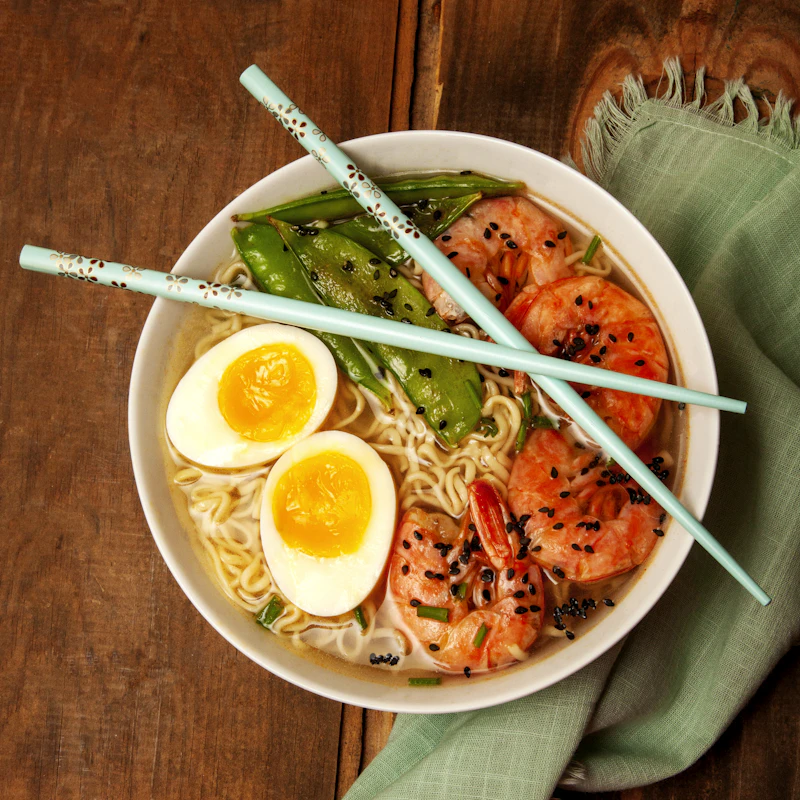
- Ramen (occasionally)
- Okonomiyaki (savory pancakes)
- Takoyaki (octopus balls)
- Pizza
- Fried chicken
Cost: ¥500-1,500
Quality Variable: From acceptable to quite good depending on machine and location
Rarity: Hot food machines are less common than drink/snack machines but exist in urban areas.
Unique Vending Machine Products
Japanese vending machines stock items unavailable elsewhere.
Crepes and Desserts
Some premium vending machines dispense fresh crepes, fresh-made sweets, or dessert items.
Cost: ¥400-1,000
Quality: Often surprisingly good; some locations have reputation for excellent versions
Fresh Food Items
Increasingly, vending machines dispense:
- Salads and prepared meals
- Sandwiches and sushi
- Rice bowls
- Fruit
These represent efforts to make vending machine dining legitimate meal option.
Alcoholic Beverages
Beer, sake, and other alcoholic beverages are available in some machines, particularly near bars and adult areas.
Note: Age verification is not automatic; machines rely on honor system
Location Strategies
Finding Great Options
Train Stations: Comprehensive selections, often highest quality
Convenience Store Adjacent: Machines outside stores offer backup options
Rest Areas (Michi-no-Eki): Highway rest areas feature quality machines; travelers often discover local specialties
Tourist Areas: Popular attractions have premium machines offering regional products
Rural Areas: Machines in remote locations become crucial beverage/snack sources
Unusual Locations
Vending machines appear in surprising places:
- Temple grounds
- Mountain hiking trailheads
- Rest stops far from civilization
- Shopping districts
- Office building lobbies (for workers, guests)
Vending Machine Culture and Etiquette
Coin Handling
Machines accept ¥1, ¥5, ¥10, ¥50, ¥100, and ¥1,000 coins. Bills are also accepted (¥1,000, ¥5,000, ¥10,000).
Tip: Have coins ready; change is provided
Card Payment
Most machines now accept IC cards (Suica, Pasmo) and QR code payments.
Convenience: Eliminates coin need
Prevalence: In cities, card payment increasingly standard
Used Cup/Can Disposal
Bottles and cans should be recycled. Separate machines for recycling exist near popular vending machine clusters.
Etiquette: Don't leave trash; bottles are valuable for recycling
Technology and Innovation
Smart Features
Modern vending machines feature:
- Temperature Control: Precise temperature management for beverages
- Intelligent Stocking: Sensors track inventory
- Location Targeting: Machines in different areas stock different products
- Payment Flexibility: Cash, card, QR code all accepted
- Security: Cameras and anti-tamper measures prevent theft
Recent Innovations
- Screen Interfaces: Some machines have screens showing available products
- Touchscreen Selection: Interactive choice displays
- Reward Programs: Connected to loyalty programs
- Remote Monitoring: Operators check stock and function remotely
Specific Vending Machine Recommendations
Must-Try Beverages
Coffee: Boss, Kirin, Asahi brands offer excellent canned coffee
Matcha Drinks: Various matcha-flavored beverages (Matcha Latte, etc.)
Ramune: Traditional marble-lock soda offering unique experience
Regional Specialties: Each region has unique products unavailable elsewhere
Pocari Sweat: Electrolyte drink unique to Japan
Budget-Friendly Options
Standard Drinks: ¥150-200 offers good value
Bundling: Buying multiple items over time provides variety affordably
Tap Water Alternative: Bottled water ¥150-250 beats convenience store pricing
Vending Machine Dining Strategy
For budget travelers, vending machines provide meal components:
- Protein: Canned coffee or tea provides modest caffeine/energy
- Sustenance: Snack machines offer nuts, dried fruit, crackers
- Hydration: Drink machines provide water, tea, juice
- Sweet: Candy and chocolate available
- Complete Meal: Some locations have combination machines offering meal components
Daily Cost: ¥1,500-2,500 for vending machine "meals" (more expensive than restaurants but more convenient)
Environmental Considerations
Waste Management
Japan's recycling system is highly developed. Vending machine trash is separated into bottles, cans, and other categories.
Proper Disposal: Separate trash appropriately; machines have designated receptacles
Aluminum Recycling: Aluminum cans are valuable for recycling; thieves sometimes target machines for cans
Plastic Waste
Single-use plastic from vending machines contributes to waste. Using refillable containers and recycling responsibly minimizes impact.
Vending Machine Safety
Reliability
Machines are extremely reliable. Products are kept in sanitary conditions; expiration dates are monitored.
Food Safety: Japanese regulation ensures vending machine food meets standards
Beverage Quality: Machines maintain proper temperatures ensuring beverage safety
Security
Machines are monitored constantly. Theft is extremely rare due to cultural norms and camera presence.
Safe to Use: Users can interact with machines confidently
Photography and Tourism
Vending machines have become Instagram-famous tourist destinations. The aesthetic appeal of illuminated machines, unique beverages, and integration into landscapes appeals to photographers.
Notable Locations:
Some areas have famous vending machine clusters:
- Hachioji, Tokyo: "Vending Machine City" reputation
- Mountain Rest Areas: Machines with panoramic views
- Temple Areas: Aesthetic juxtaposition of traditional and modern
Conclusion
Japanese vending machines represent far more than convenience technology. They embody Japanese precision engineering, customer-focused innovation, and cultural values emphasizing automation and choice.
For travelers, vending machines offer:
- Accessibility: Always-available beverages and snacks
- Affordability: Competitive pricing
- Convenience: No transaction friction
- Discovery: Unique products unavailable elsewhere
Whether quenching thirst on hiking trails, enjoying Boss coffee on train journeys, or trying region-specific drinks, vending machines provide quintessentially Japanese experience combining technology and culture. Take time to appreciate these ubiquitous machines—they're cultural artifacts reflecting Japanese society.
Last updated: May 2025. Information verified for the current travel season.
How to Plan Your Japan's Incredible Vending Machines: What to Try & Where to Find Trip: Step-by-Step Guide
As of 2025, Japan is more accessible than ever for independent travelers. Here's how to plan a seamless japan's incredible vending machines: what to try & where to find experience.
- Decide your dates: Check seasonal conditions, festivals, and peak tourist periods for your destination. Japan's Golden Week (late April–early May) and Obon (mid-August) are the busiest — book 3–4 months ahead if traveling then.
- Book accommodation early: Quality ryokan, budget guesthouses, and city hotels in popular areas sell out fast. Book on Booking.com, Jalan, or Rakuten Travel 2–3 months in advance. Expect ¥8,000–¥25,000 ($55–$172 USD) per night for mid-range options.
- Plan your JR Pass usage: If traveling between multiple regions, a JR Pass (7-day: ¥50,000 / $345 USD; 14-day: ¥80,000 / $552 USD) may save money over individual Shinkansen tickets. Calculate your routes before purchasing.
- Download key apps: Google Maps (offline maps), Google Translate (camera translation mode), HyperDia (train schedules), and Tabelog (restaurant reviews in English) are essential for smooth travel.
- Get cash ready: Japan remains largely cash-based outside major tourist areas. Withdraw ¥30,000–¥50,000 ($200–$345 USD) at 7-Eleven or Japan Post ATMs (both reliably accept foreign cards) on arrival.
- Learn 10 key phrases: "Sumimasen" (excuse me), "arigatou gozaimasu" (thank you), "eigo wa hanasemasu ka?" (do you speak English?), and basic food allergy phrases go a long way toward smooth interactions.
- Build in flexibility: Japan rewards spontaneity. Leave at least 20% of each day unscheduled for serendipitous discoveries — a tiny ramen shop with a line outside, a festival you didn't know was on, or a neighborhood you stumbled into.
FAQ: Japan's Incredible Vending Machines: What to Try & Where to Find
When is the best time to visit for japan's incredible vending machines: what to try & where to find in Japan?
As of 2025, Japan's best travel windows depend on your priorities. Spring (late March–early May) offers cherry blossoms and mild weather but peak crowds. Autumn (October–November) brings spectacular foliage with fewer tourists than spring. Summer (June–August) is hot and humid but rich with festivals. Winter (December–February) is cold but offers snow scenery, fewer crowds, and lower accommodation prices outside ski resorts.
How much should I budget per day in Japan?
Budget travelers spending ¥6,000–¥10,000 ($41–$69 USD) per day can eat well at convenience stores and local restaurants, use public transport, and stay in hostels or budget guesthouses. Mid-range travelers spending ¥15,000–¥30,000 ($103–$207 USD) enjoy comfortable hotels, full restaurant meals, and museum admissions. Luxury travelers spending ¥50,000+ ($345 USD) can access ryokan, kaiseki dining, and premium experiences.
Do I need to speak Japanese to enjoy this experience?
English proficiency among younger Japanese has improved significantly. As of 2025, major tourist sites, hotels, and restaurants in cities typically have English menus and signage. Google Translate's camera function handles most written Japanese on the fly. Learning 10–20 basic phrases dramatically improves interactions in less-touristed areas. Japan's culture of hospitality (omotenashi) means locals will go out of their way to help even with limited shared language.
Is Japan safe for solo travelers and tourists?
Japan consistently ranks among the world's safest countries for travelers. Violent crime against tourists is extremely rare. Lost wallets and belongings are frequently turned in to police boxes (koban). Solo female travelers routinely report feeling safer in Japan than anywhere else they've visited. Standard travel precautions apply — keep copies of important documents and be aware of your surroundings in busy entertainment districts late at night.
What is the easiest way to get around Japan?
Japan's public transport system is the world's most reliable and comprehensive. The JR Pass offers unlimited Shinkansen and limited express train travel (7-day: ¥50,000 / $345 USD; 14-day: ¥80,000 / $552 USD). IC cards (Suica, Pasmo) cover all city subways, buses, and many taxis. For rural areas, rental cars provide freedom — international driving permits are accepted and roads are well-signed in both Japanese and Roman characters.
What should I pack for this experience in Japan?
Essential items: IC transport card (load on arrival), pocket wifi or SIM card (reserve online before departure for ¥500–¥1,000 / $3.50–$7 USD per day), comfortable walking shoes (expect 15,000–25,000 steps daily), small cash reserve in yen (many small shops and vending machines are cash-only), and a compact umbrella (Japan's weather changes quickly). Leave bulky luggage at your hotel and use takkyubin (luggage forwarding services, ¥1,500–¥2,500 / $10–$17 USD per bag) to travel between cities unencumbered.