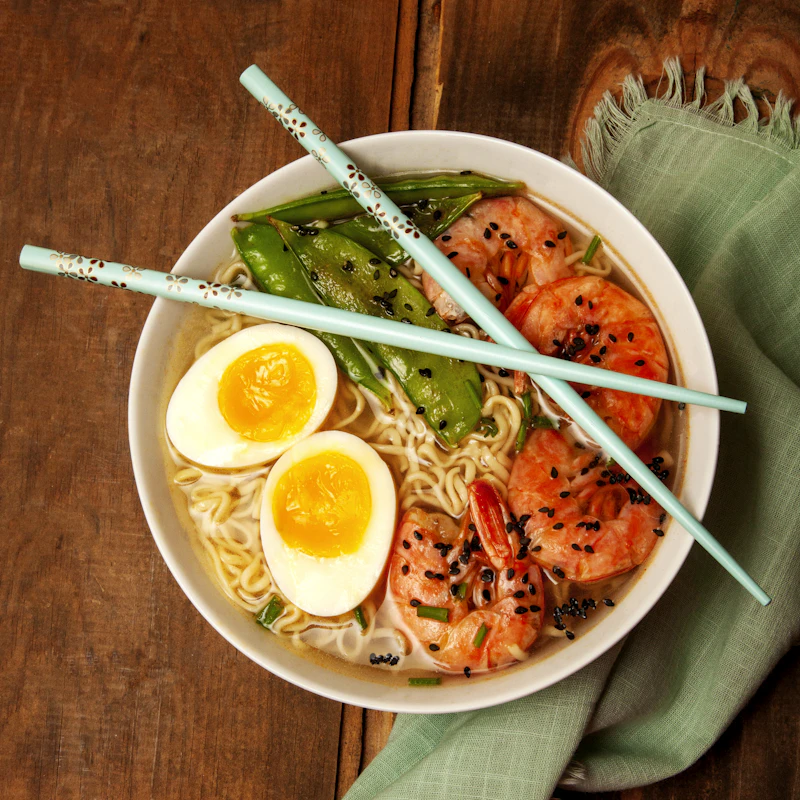
Okinawa, the southernmost prefecture of Japan, occupies a unique place in the world: it's home to one of Earth's Blue Zones, regions where people live longer, healthier lives than anywhere else. The average Okinawan lives into their 90s with energy and vigor, and scientists have attributed much of this longevity to diet. Okinawan cuisine is rustic, humble, and based on ingredients that grow in the tropical climate—bitter melon, sweet potato, leafy greens, and seafood. It's not the refined cuisine of Kyoto or the cutting-edge innovation of Tokyo. It's something older and more profound: food that has sustained people for centuries and enabled them to live the longest, healthiest lives on record.
The Okinawan Diet and Longevity: Science Meets Food
In the 1960s, researchers studying Okinawa discovered something remarkable: despite living in poverty and under hardship, Okinawans had exceptionally low rates of heart disease, cancer, and dementia. Even more stunning, they lived longer than nearly any other population on Earth. The primary explanation: their diet.
The traditional Okinawan diet consisted of:
- Sweet potatoes (70% of calories)
- Vegetables, especially bitter melon (goya), leafy greens, and local varieties
- Legumes and whole grains
- Small amounts of fish and seafood
- Minimal meat (traditionally reserved for celebrations)
- No refined sugar or processed foods
- Minimal salt
This wasn't a restricted diet—it was abundant and deeply satisfying. The foods were affordable, seasonally variable, and tied to agricultural traditions. Modern Okinawan restaurants seek to preserve these traditions while adapting to contemporary tastes.
Essential Okinawan Foods
Goya (Bitter Melon): Goya is Okinawa's signature vegetable. Bitter, spiky, and intensely flavored, goya is rich in vitamins, minerals, and compounds that support health. Okinawans have eaten goya for centuries, and modern research suggests it may help regulate blood sugar.
The most common preparation is goya champuru (bitter melon stir-fry), where goya is sliced thinly, salted to reduce bitterness, then stir-fried with eggs, tofu, and optionally pork belly. The result is savory, slightly bitter, and addictive. A serving costs ¥800-¥1,200 at casual restaurants.
To prepare goya at home: slice lengthwise, remove seeds and white pith, slice into half-moons, salt heavily, let sit 10 minutes, rinse, squeeze dry, then stir-fry. This process reduces bitterness while preserving nutritional benefits.
Champuru (Stir-Fry): Champuru is a category of stir-fried dishes, not just goya. Common varieties include:
- Goya Champuru: Bitter melon, eggs, tofu
- Papaya Champuru: Young green papaya stir-fried with vegetables
- Vegetable Champuru: Whatever vegetables are available
- Tofu Champuru: Featuring pressed tofu, often with spam (spam is actually traditional in Okinawa due to American influence)
Most champuru dishes cost ¥900-¥1,300 at casual spots.
Okinawa Soba: Despite the name, Okinawa soba contains wheat noodles, not buckwheat soba. The noodles are thick, curly, and served in broth made from pork bone and fish stock—lighter than ramen but still flavorful. Toppings include sliced chashu (braised pork), fishcake, and negi (green onion). Okinawa soba costs ¥800-¥1,200 and is lighter and arguably more delicate than mainland ramen.
Try historic soba shops in Naha like Sumo Soba, which has served the same recipe for 60+ years. The broth is extraordinary—clean, pork-forward, with subtle fishiness.
Rafute (Braised Pork Belly): While the traditional diet was low in meat, special occasions featured pork belly braised until tender in shoyu, mirin, and ginger. The result is rich, deeply savory, and complex. Rafute is served over rice or alongside pickles. ¥1,200-¥1,800 at restaurants.
Taco Rice: An interesting Okinawan invention, taco rice combines Hispanic and Japanese elements—rice topped with seasoned ground meat, lettuce, tomato, and cheese. It originated when American military presence influenced local food culture. While not traditional in the historical sense, taco rice is part of modern Okinawan identity and is delicious. ¥900-¥1,300.
Mimiga (Pig's Ear): A traditional delicacy, mimiga is boiled pig's ear, sliced thin, then served as a cold appetizer with vinegar and soy sauce. The texture is chewy and gelatinous; the flavor is pork-forward and slightly gamey. It's an acquired taste but worth trying. ¥600-¥1,000.
Okinawan Sweet Potato (Imo): Sweet potatoes were the caloric foundation of traditional Okinawan life. Modern restaurants feature imo in desserts and as sides—roasted, in tempura, or in sweet preparations. A roasted sweet potato costs ¥300-¥500.
Where to Eat Authentic Okinawan Food
Naha: Okinawa's capital has excellent restaurants ranging from casual izakaya to upscale establishments. Look for restaurants in the Kokusai Street area and in residential neighborhoods where locals eat.
- Shiikuwasa-ya: Focuses on seasonal vegetables and traditional preparations. ¥3,000-¥5,000
- Motobu: Famous goya champuru and other traditional dishes. ¥2,000-¥3,500
- Yachimun-Ichiba: Market-style restaurant where you select ingredients then watch them cook. ¥2,500-¥4,000
Okinawa Markets: Visit Makishi KosSetsu Ichiba (Makishi Public Market) or similar local markets where vendors sell fresh goya, vegetables, and prepared foods. You can eat incredibly cheaply (¥800-¥1,500 for a full meal) while experiencing local food culture.
Village Restaurants: Venture into rural villages and eat at small family-run establishments. These places serve authentic Okinawan home cooking—the food that actually sustained people and enabled longevity. Meals cost ¥1,500-¥2,500 and are more meaningful than polished tourist establishments.
Okinawan Beverages
Awamori: This indigenous spirit is made from long-grain rice and koji mold, distilled traditionally. Awamori is strong (40-60% ABV) and meant to be sipped neat or mixed in cocktails. A bottle costs ¥1,500-¥4,000. Try it at izakaya bars where locals drink.
Okinawa Beer: The local beer is lighter and slightly fruity compared to mainland beers. A glass costs ¥500-¥700.
Shikuwasa Juice: Shikuwasa is a small Okinawan citrus fruit that's incredibly tart. Fresh shikuwasa juice is refreshing and flavorful. You can buy bottled juice at markets for ¥300-¥600.
The Modern Okinawan Food Scene
Modern Okinawa has adapted traditional foods to contemporary tastes while maintaining authenticity. You'll find:
- Goya chips: Thinly sliced goya, deep-fried and salted—addictive and healthy
- Goya supplement drinks: Beverages containing goya extract marketed for health
- Imo desserts: Sweet potato used in cakes, ice cream, and pastries
- Contemporary takes on champuru: Chefs adding modern techniques while respecting tradition
This evolution shows respect for heritage while acknowledging that food culture evolves. The best restaurants balance honoring traditional preparations with thoughtful innovation.
Eating Seasonally in Okinawa
Spring: Fresh goya begins appearing, leafy greens peak, seafood abundance begins.
Summer: Peak goya season, abundant vegetables, tropical fruits like mango and papaya.
Autumn: Continued vegetable abundance, transition to cooler-weather foods.
Winter: Limited fresh local vegetables, more reliance on preserved foods, root vegetables.
Health Benefits: Understanding the Connection
While Okinawan cuisine alone didn't create the Blue Zone phenomenon, it contributed significantly. Key nutritional factors:
- Low calorie density: Vegetables and sweet potatoes fill you up without excessive calories
- High fiber: Plant-based diet provides abundant fiber for digestive health
- Phytonutrients: Vegetables like goya contain compounds with antioxidant and anti-inflammatory properties
- Minimal processed foods: No refined sugar, industrial seed oils, or additives
- Fermented foods: Pickles and other fermented items support gut health
However, longevity also resulted from community, purpose, regular physical activity, and low stress—factors that modern visitors can't replicate in a short stay but can appreciate and perhaps learn from.
Planning an Okinawan Food Journey
Best timing: April-May or September-October, when weather is pleasant and ingredients are fresh.
Spend at least 3-4 days to properly explore Okinawan food. Visit markets early morning, eat at local restaurants rather than tourist-focused establishments, and talk to shopkeepers about their products.
Consider taking a cooking class: Several organizations offer courses in Naha where you'll learn to prepare goya champuru, okinawa soba, and other classics from local chefs.
Rent a car to visit rural villages and eat at family establishments where you'll experience authentic, untouristy Okinawan food.
Conclusion
Okinawan cuisine represents something rare in the modern world: a food culture that has sustained not just survival, but genuine thriving and longevity. Eating goya champuru in a Naha izakaya, you're consuming vegetables that have sustained generations of people who lived longer, healthier, more vibrant lives than almost anyone else on Earth. You're not just eating food; you're connecting to wisdom about how to live well. Whether you're pursuing longevity, seeking authentic cultural experiences, or simply hungry for delicious, humble, deeply satisfying food, Okinawan cuisine delivers. It's a reminder that the most profound and valuable foods are often the simplest—grown locally, prepared respectfully, and eaten in community.
Last updated: May 2025. Information verified for the current travel season.
How to Plan Your Okinawan Cuisine: Champuru, Goya and the Food That Explains Longevity Trip: Step-by-Step Guide
As of 2025, Japan is more accessible than ever for independent travelers. Here's how to plan a seamless okinawan cuisine: champuru, goya and the food that explains longevity experience.
- Decide your dates: Check seasonal conditions, festivals, and peak tourist periods for your destination. Japan's Golden Week (late April–early May) and Obon (mid-August) are the busiest — book 3–4 months ahead if traveling then.
- Book accommodation early: Quality ryokan, budget guesthouses, and city hotels in popular areas sell out fast. Book on Booking.com, Jalan, or Rakuten Travel 2–3 months in advance. Expect ¥8,000–¥25,000 ($55–$172 USD) per night for mid-range options.
- Plan your JR Pass usage: If traveling between multiple regions, a JR Pass (7-day: ¥50,000 / $345 USD; 14-day: ¥80,000 / $552 USD) may save money over individual Shinkansen tickets. Calculate your routes before purchasing.
- Download key apps: Google Maps (offline maps), Google Translate (camera translation mode), HyperDia (train schedules), and Tabelog (restaurant reviews in English) are essential for smooth travel.
- Get cash ready: Japan remains largely cash-based outside major tourist areas. Withdraw ¥30,000–¥50,000 ($200–$345 USD) at 7-Eleven or Japan Post ATMs (both reliably accept foreign cards) on arrival.
- Learn 10 key phrases: "Sumimasen" (excuse me), "arigatou gozaimasu" (thank you), "eigo wa hanasemasu ka?" (do you speak English?), and basic food allergy phrases go a long way toward smooth interactions.
- Build in flexibility: Japan rewards spontaneity. Leave at least 20% of each day unscheduled for serendipitous discoveries — a tiny ramen shop with a line outside, a festival you didn't know was on, or a neighborhood you stumbled into.
FAQ: Okinawan Cuisine: Champuru, Goya and the Food That Explains Longevity
When is the best time to visit for okinawan cuisine: champuru, goya and the food that explains longevity in Japan?
As of 2025, Japan's best travel windows depend on your priorities. Spring (late March–early May) offers cherry blossoms and mild weather but peak crowds. Autumn (October–November) brings spectacular foliage with fewer tourists than spring. Summer (June–August) is hot and humid but rich with festivals. Winter (December–February) is cold but offers snow scenery, fewer crowds, and lower accommodation prices outside ski resorts.
How much should I budget per day in Japan?
Budget travelers spending ¥6,000–¥10,000 ($41–$69 USD) per day can eat well at convenience stores and local restaurants, use public transport, and stay in hostels or budget guesthouses. Mid-range travelers spending ¥15,000–¥30,000 ($103–$207 USD) enjoy comfortable hotels, full restaurant meals, and museum admissions. Luxury travelers spending ¥50,000+ ($345 USD) can access ryokan, kaiseki dining, and premium experiences.
Do I need to speak Japanese to enjoy this experience?
English proficiency among younger Japanese has improved significantly. As of 2025, major tourist sites, hotels, and restaurants in cities typically have English menus and signage. Google Translate's camera function handles most written Japanese on the fly. Learning 10–20 basic phrases dramatically improves interactions in less-touristed areas. Japan's culture of hospitality (omotenashi) means locals will go out of their way to help even with limited shared language.
Is Japan safe for solo travelers and tourists?
Japan consistently ranks among the world's safest countries for travelers. Violent crime against tourists is extremely rare. Lost wallets and belongings are frequently turned in to police boxes (koban). Solo female travelers routinely report feeling safer in Japan than anywhere else they've visited. Standard travel precautions apply — keep copies of important documents and be aware of your surroundings in busy entertainment districts late at night.
What is the easiest way to get around Japan?
Japan's public transport system is the world's most reliable and comprehensive. The JR Pass offers unlimited Shinkansen and limited express train travel (7-day: ¥50,000 / $345 USD; 14-day: ¥80,000 / $552 USD). IC cards (Suica, Pasmo) cover all city subways, buses, and many taxis. For rural areas, rental cars provide freedom — international driving permits are accepted and roads are well-signed in both Japanese and Roman characters.
What should I pack for this experience in Japan?
Essential items: IC transport card (load on arrival), pocket wifi or SIM card (reserve online before departure for ¥500–¥1,000 / $3.50–$7 USD per day), comfortable walking shoes (expect 15,000–25,000 steps daily), small cash reserve in yen (many small shops and vending machines are cash-only), and a compact umbrella (Japan's weather changes quickly). Leave bulky luggage at your hotel and use takkyubin (luggage forwarding services, ¥1,500–¥2,500 / $10–$17 USD per bag) to travel between cities unencumbered.