Osaka Street Food: The Complete Dotonbori and Beyond Guide
Osaka has earned the nickname "Japan's kitchen" (Kuidaore no machi—eating yourself silly town) due to its reputation as the nation's premier street food destination. As of 2025, Osaka's food culture remains unmatched for accessibility, diversity, and culinary adventure, with the legendary Dotonbori district serving as the epicenter of this edible energy. Unlike Tokyo's refined kaiseki tradition or Kyoto's elegant kaiseki cuisine, Osaka food prioritizes immediate gratification, bold flavors, and communal eating experiences. This comprehensive guide explores Osaka's essential street foods, historic Dotonbori district specifics, beyond-Dotonbori neighborhoods, seasonal specialties, and tactical approaches to maximizing food experiences within realistic budgets and timeframes.
Understanding Osaka Food Culture and Philosophy
Osaka's culinary ethos derives from its historical role as Japan's merchant capital (Edo period, 1603-1868) and subsequent development as industrial/commercial hub. Unlike Kyoto's imperial court cuisine (kaiseki) or Tokyo's elite samurai culture (sushi, tempura), Osaka fed ordinary merchants, workers, and townspeople requiring affordable, filling, instantly gratifying meals. This created distinct cultural value: speed over ceremony, flavor over presentation, abundance over scarcity, communal enjoyment over individual refinement. The phrase "kuidaore" (literally "eat until you fall down") reflects Osaka's food-first mentality—visiting Osaka means prioritizing eating experiences above sightseeing.
Osaka maintains this philosophy as of 2025: street food is not tourist accommodation but authentic daily eating practice. Locals queue 30-60 minutes for specific vendors not because tourism marketed them, but because quality has been proven through decades of repeat business. Respecting this cultural value—understanding that Osaka residents prioritize food genuinely, not performatively—is prerequisite to authentic experiences.
Essential Osaka Street Foods: Species, Preparation, and Pricing
Osaka's foundational foods cluster around five categories. Understanding these enables guided exploration and informed purchases.
Takoyaki (Octopus Balls)
Takoyaki represents Osaka's most iconic street food: golf ball–sized fried batter filled with diced octopus, tempura scraps, pickled ginger, and green onion. The exterior achieves crispy texture while interior remains creamy from melted cheese, butter, or mayonnaise (optional additions). Preparation involves specialized takoyaki pans (molded half-spheres heated on griddles). Expert vendors rotate spheres with picks achieving perfect spherical shape with creamy interior and crispy exterior—technical precision is visible and appreciated.
Pricing: ¥600-¥1,200 ($4-$8) per 6-8 ball serving depending on size, octopus quality, and location. Premium vendors (iconic shops with decade-long lines) charge upper range; convenience store versions cost ¥600-¥800 ($4-$5.50).
Vendors to try: Takoyaki Museum (Dotonbori basement, ¥900-¥1,200 / $6-$8 per serving, 8 competing vendors in single building enabling comparison), Octopus Tsukiji (Shinchi district, 45 minutes, ¥800 / $5.50, famous for sauce quality), Kiji (Dotonbori, iconic vendor since 1950s, ¥900 / $6).
Consumption technique: Takoyaki are served piping hot (¥100+ / $0.69 risk of mouth burns). Grasp with toothpicks, wait 30 seconds for cooling, and eat quickly while interior remains creamy. Delaying causes cooling and loss of textural contrast. Most vendors provide napkins; eating while walking is standard.
Okonomiyaki (Savory Pancakes)
Okonomiyaki (literally "cooked as you like it") are savory pancakes filled with cabbage, meat/seafood, and topped with sauce, mayonnaise, bonito flakes, and aonori (seaweed powder). The batter (flour, egg, dashi broth) is mixed with cabbage and other ingredients, then cooked on large flat griddles (teppan) until crispy exterior and tender interior. Osaka-style okonomiyaki layers ingredients within batter (Hiroshima-style okonomiyaki layer ingredients in stacked format—distinct preparation). The dish originated post-WWII using American flour imports; it evolved into distinctly Japanese comfort food.
Pricing: ¥700-¥1,500 ($4.83-$10.35) per serving depending on ingredients (basic vegetable vs. meat/seafood) and location. Mid-range cost is ¥900-¥1,100 ($6-$7.59) in tourist areas.
Notable okonomiyaki vendors: Okonomidom (Shinsekai district, 12 vendors in single building, ¥800-¥1,200 / $5.50-$8.28, enables sampling multiple styles), Okozushi (Naniwa ward, ¥950 / $6.55, famous since 1970s), Mizuki Okonomiyaki (Taisho-ro, ¥1,200 / $8.28, premium ingredients).
Variations popular in Osaka:
- Modanyaki - Okonomiyaki with udon noodles or ramen embedded within, creating noodle-okonomiyaki hybrid
- Negiyaki - Okonomiyaki with green onion as primary ingredient
- Ikayaki - Okonomiyaki filled with squid and takoyaki-like sauce
Kushikatsu (Deep-Fried Skewers)
Kushikatsu are meat, vegetable, and seafood pieces skewered and deep-fried in breadcrumb coating until golden exterior and tender interior. Served with tonkatsu sauce (Worcestershire-based) and mustard for dipping. The concept is "one-bite perfection"—each piece is designed for single consumption, enabling rapid eating and variety sampling. Historical origin is post-WWII Shinsekai district (working-class area) requiring affordable meals feeding day laborers.
Pricing: ¥100-¥300 ($0.69-$2.07) per stick depending on ingredient. Most people consume 8-15 sticks per meal (¥1,000-¥3,500 / $6.90-$24 total). Restaurants charge per-stick pricing; ordering strategy is critical for budget management.
Kushikatsu signature items:
- Pork (butakatsu) - Most common, tender interior, crispy exterior
- Shrimp (ebi) - Premium ingredient, ¥200-¥300 ($1.38-$2.07) per stick
- Chicken (torikatsu) - Budget option, ¥100-¥150 ($0.69-$1.03) per stick
- Gyutan (beef tongue) - Osaka specialty, ¥150-¥250 ($1.03-$1.72) per stick, chewy texture
- Nankotsu (chicken cartilage) - Crunchy texture, ¥80-¥120 ($0.55-$0.83) per stick
- Vegetable skewers (renkon lotus root, shiitake mushroom) - ¥80-¥150 ($0.55-$1.03) per stick
Kushikatsu etiquette: Traditional rules include dipping in communal sauce (taboo to double-dip), eating immediately after dipping, and standing at counters while eating. Modern establishments feature individual sauce cups; ask staff regarding sauce protocols. Kushikatsu is fundamentally casual food; formal dining atmosphere is avoided.
Iconic kushikatsu restaurants: Kushikatsu Daruma (Shinsekai, ¥1,500-¥2,500 / $10-$17 per person for 8-12 pieces, chain with consistent quality), Kushikura (multiple locations, ¥80-¥300 / $0.55-$2.07 per stick, ordering flexibility), Kiji (primarily takoyaki but renowned for kushikatsu as well).
Takikomi Gohan (Mixed Rice)
Takikomi gohan are rice cooked with mixed ingredients: chicken, vegetables, mushrooms, and broth creating unified flavor rather than separate components. Osaka's takikomi gohan emphasizes seafood (shrimp, squid, scallops) reflecting the region's proximity to Seto Inland Sea fishing grounds. Often served in individual bowls immediately after cooking, creating hot/steamy presentation.
Pricing: ¥900-¥1,800 ($6-$12.41) per bowl depending on ingredient quality and vendor. Premium versions with seafood cost toward upper range; simple vegetable versions cost ¥700-¥900 ($4.83-$6.20).
Seasonal specialties: Spring features bamboo shoots (takenoko) and young plants; summer emphasizes fresh vegetables and shrimp; autumn brings mushrooms and chestnut (kuri); winter features chicken and root vegetables.
Ramen and Udon
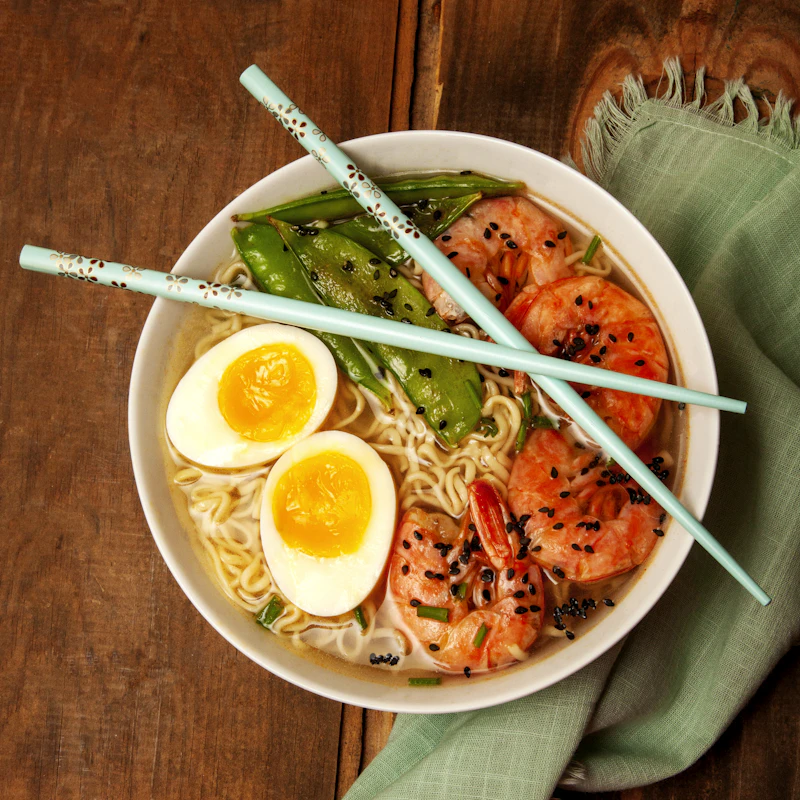
Osaka ramen (tonkotsu style—pork bone broth) differs from Tokyo ramen (shoyu/soy broth) by deeper, creamier quality achieved through extended pork bone simmering (24+ hours). The broth should be nearly opaque white/beige and intensely savory. Osaka udon (thick wheat noodles in light dashi broth) emphasizes broth clarity and dashi complexity over heavy tonkotsu flavor.
Ramen pricing: ¥700-¥1,200 ($4.83-$8.28) per bowl. Toppings (chashu pork, soft-boiled egg, bamboo shoots) are typically included in base price.
Notable ramen establishments: Osaka Ramen Yokocho (alley with 17 small ramen shops, ¥800-¥1,000 / $5.50-$6.90 each, unique micro-shop experiences), Ichiran (chain with ¥900 / $6.20 tonkotsu ramen, consistent quality across 150+ locations including outside Osaka), Gantetsu Ramen (Shinsekai, ¥850 / $5.86, famous for rich pork broth).
Udon pricing: ¥400-¥1,000 ($2.76-$6.90) depending on toppings and broth type. Simple udon costs ¥400-¥600; premium vegetable/seafood versions cost ¥800-¥1,200 ($5.50-$8.28).
Dotonbori District: The Epicenter of Osaka Street Food
Dotonbori (道頓堀, literally "Doton dike") is the 2.7-km-long street alongside Dotonbori Canal in Chuo Ward. Historically a Edo-period pleasure district (kabuki theaters, entertainers), it transformed into modern entertainment/food hub featuring approximately 3,000 establishments (restaurants, bars, shops) clustered within walking distance. The district is simultaneously tourist destination and authentic local eating destination—a rare combination where both tourists and residents coexist comfortably.
Historical Context and District Development
Dotonbori originated in 1612 when wealthy merchant Yasui Doton dredged the canal creating a dyke. Over subsequent centuries, theaters and entertainment establishments clustered nearby. Meiji Restoration (1868) brought modernization; by early 1900s, Dotonbori was Japan's premier entertainment district rivaling Tokyo's Ginza. Post-WWII occupation transformed the district; yakuza presence declined (1960s-1970s), establishing contemporary restaurant/entertainment culture. As of 2025, Dotonbori remains Japan's most crowded entertainment district, attracting approximately 20 million annual visitors (50% international as of 2024 data).
Dotonbori Navigation and Logistics
District extent: Dotonbori proper extends approximately 0.6 km along the canal (Ebisubashi to Dotonbori bridges); side streets extend additional 2.1 km creating accessible walkable area of roughly 1.5 km x 1 km block. Full exploration takes 3-4 hours including eating breaks.
Primary shopping/eating streets:
- Dotonbori main street (canal-adjacent) - Newest restaurants, flagship chains, takoyaki shops, bright neon signage
- Sennichimae-dori (parallel street one block north) - More established restaurants, less crowded, slightly better prices
- Ebisubashi-dori (bridge area south) - Less touristy, more local establishments
- Shinsekai district (east of Dotonbori) - Working-class food hub, kushikatsu restaurants, cheaper prices (¥500-¥1,500 / $3.45-$10.35 vs. Dotonbori's ¥800-¥2,500 / $5.50-$17.21)
Access points: Dotonbori Station (Midosuji Line, red line), Namba Station (Midosuji, Nankai, Kintetsu lines), Shinsaibashi Station (Midosuji, Yotsubashi lines). All stations are interconnected; walking between them is approximately 10-15 minutes. Station exits are labeled; Dotonbori Station has dedicated Dotonbori exit.
Parking: Street parking is essentially impossible. Multiple municipal parking garages operate ¥300-¥500 ($2.07-$3.45) per 30 minutes, with maximums ¥1,200-¥2,000 ($8.28-$13.79) daily. Public transit is strongly recommended; parking hassle eliminates cost savings.
Must-Visit Dotonbori Establishments and Experiences
Glico Running Man Sign (グリコサイン) - Not food, but quintessential Dotonbori landmark. The red neon sign of a running man has been Dotonbori's symbol since 1935. Photo stop (free); located at Ebisubashi bridge.
Kiji (きじ) - Takoyaki Flagship - Operating since 1950, Kiji is the original takoyaki shop. Legendary status drives wait times (30-60 minutes peak hours); arriving outside 11:30 AM-1:30 PM or 5:30 PM-8:00 PM reduces waits. Cost: ¥900 ($6.20) per 8-piece serving. Interior is cramped; expect standing-room eating. The experience (not just food) justifies the wait.
Takoyaki Museum (たこ焼き博物館) - B1F of building at Dotonbori main street. Eight takoyaki vendors operate from single location enabling direct comparison: Kiji, Masutani, Otomezushi, Tsuruhashi Fugetsu, Tamoya, Ichiran, Okonomiyaki Museum (combo), and rotating guest vendor. Pricing ¥900-¥1,200 ($6-$8) per serving. Optimal strategy: purchase small sampling from 3-4 vendors (total ¥2,500-¥3,500 / $17-$24) rather than full servings from single vendor. This provides authentic comparison experience.
Osaka Ramen Yokocho (大阪ラーメン横丁) - Alley featuring 17 small ramen shops dating from 1950s. Narrow alley (barely 1.5m wide) lined with microscopic 5-8 seat shops creates authentic vintage atmosphere. Each shop specializes slightly (tonkotsu depth variation, noodle thickness, topping preference). Cost: ¥800-¥1,000 ($5.50-$6.90) per bowl. Arriving after 11:00 AM is essential (before 11:00 AM shops are typically closed or opening); lunch rush (11:30 AM-1:30 PM) and dinner (6:00 PM-9:00 PM) are peak times. Weekday afternoons (2:00 PM-4:00 PM) offer shortest waits.
Shinsekai District Kushikatsu Alley (新世界串カツ横丁) - Approximately 15-minute walk east of Dotonbori (near Ebisucho Station). Narrow alley with 40+ kushikatsu shops creates unique district culture. Prices are 30-40% cheaper than Dotonbori (¥100-¥250 / $0.69-$1.72 per stick vs. ¥150-¥350 / $1.03-$2.41). Working-class atmosphere is preserved (salary men, construction workers, elderly customers alongside tourists); authenticity is uncompromised. Iconic shops include Kushikatsu Daruma and Darumaichi. Arrive after 6:00 PM for best atmosphere and crowds of local workers.
Okonomiyaki Okonomidom (お好み焼きオコノミドム) - Building housing 12 okonomiyaki shops enabling comparison shopping. Pricing ¥800-¥1,200 ($5.50-$8.28) per serving. Located in Shinsekai (east of Dotonbori); similar budget-friendly experience to takoyaki museum.
Harukoma Sushi (はるこま寿司) - Chain of standing sushi counters with 12+ Dotonbori/Shinsekai locations. Conveyor belt sushi (kaiten sushi) costs ¥100-¥400 ($0.69-$2.76) per plate depending on ingredient. Quality is moderate (not sushi-focused destination but budget-friendly option). Optimal for lunch break or quick meals between other activities.
Strategic Dotonbori Eating Approach
Optimal Dotonbori experience involves specific sequencing and timing:
- Arrive early afternoon (2:00-4:00 PM) - Avoid lunch rush (11:30 AM-1:30 PM) and dinner crowds (6:00 PM-8:00 PM). Shorter waits at all establishments.
- Begin at Takoyaki Museum or Takoyaki vendor - Try 2-3 takoyaki vendors sequentially; understanding preparation variations is educational.
- Move to Okonomiyaki or Kushikatsu establishment - These dishes take 10-15 minutes preparation, allowing standing-room eating without pressure. Large portions encourage slow consumption.
- Progress to Shinsekai district (15-minute walk east) - Explore Ramen Yokocho, Kushikatsu Alley, Okonomiyaki Okonomidom. Prices are cheaper; crowds are thinner; authenticity is higher.
- Evening exploration (after 7:00 PM) - Neon signs are most spectacular after dark. Explore Dotonbori main street for atmosphere (eating is secondary at this hour; most restaurants are at capacity). Street performance and entertainment activities peak evening hours.
Budgeting: ¥3,000-¥5,000 ($21-$34) enables sampling 4-6 different dishes over 4-5 hour exploration. Larger budget (¥5,000-¥8,000 / $34-$55) allows full portions of multiple items plus drinks and desserts.
Beyond Dotonbori: Regional Osaka Food Districts and Neighborhoods
Authentic Osaka food experience requires venturing beyond the tourist epicenter.
Shinsekai District (新世界)
East of Dotonbori, Shinsekai (literally "new world") developed as working-class entertainment district post-WWII. Though gentrification is slowly encroaching (as of 2025), Shinsekai retains distinctive character: narrow alleys, family-run establishments, elderly clientele, working-class food culture. Kushikatsu and Okonomiyaki represent signature Shinsekai foods at prices 30-40% below Dotonbori. Access: Ebisucho Station (Sakaisuji Line, 10 minutes from Dotonbori), or 15-minute walk east from Dotonbori. Atmosphere is noticeably rawer than polished Dotonbori.
Shinchi District (新地)
North of Dotonbori, Shinchi is upscale entertainment/dining district (geisha district historically, now contemporary bars/restaurants). More expensive than Dotonbori but higher quality; prices ¥2,000-¥5,000 ($14-$34) per main dish. Octopus Tsukiji (mentioned earlier) is notable okonomiyaki vendor. Access: Kitashinchi Station (Yotsubashi Line) or 15-minute walk north from Namba Station. Atmosphere is sophisticated; casual street eating is replaced by table service establishments.
Fukushima District (福島)
West of central Dotonbori, Fukushima is residential neighborhood with extensive izakaya (casual pub) culture. Street food is minimal (primary eating is table service); however, izakayas offer value-oriented casual dining ¥500-¥2,000 ($3.45-$13.79) per dish. Notable for grilled skewers (yakitori), edamame, gyutan grilled meats. Access: Fukushima Station (Loop Line). Atmosphere is authentically local; foreign tourists are uncommon.
Taisho-ro District (大正区)
South of central Osaka, Taisho-ro is blue-collar neighborhood with minimal tourism. Okonomiyaki and ramen shops are numerous; prices are lowest in Osaka (¥500-¥900 / $3.45-$6.20 per main dish). Few English signs; minimal English spoken; this is most "authentic local" experience. Access: Taisho Station (Sakaisuji Line), 25 minutes from Dotonbori. Atmosphere is utilitarian; comfort and aesthetics are secondary to food quality and affordability.
Kamodocho Area (上町台地)
Hillside area in Taisho-ro with concentrated okonomiyaki tradition. Mizuki Okonomiyaki (mentioned earlier, ¥1,200 / $8.28) is notable premium option. Multiple mid-range okonomiyaki shops cluster within 300-meter radius. Access: Taisho Station area, 5-minute walk uphill. This neighborhood represents okonomiyaki specialization; spending 2-3 hours here provides deep-dive okonomiyaki education.
Seasonal Osaka Food Specialties
Osaka food culture is strongly seasonal; understanding seasonal availability optimizes experiences.
Spring (March-May): New Growth and Mountain Vegetables
- Takikomi gohan with bamboo shoots (takenoko takikomi gohan) - Seasonal April-May. Young bamboo shoots provide delicate sweetness; prices peak (¥1,500-¥1,800 / $10-$12.41).
- Sakura-themed okonomiyaki - Pink-tinted batter or sakura-leaf wrapping appears March-April. Novelty rather than distinct flavor; primarily visual appeal.
- Fresh mushroom okonomiyaki - Spring mushroom varieties (shiitake, oyster mushroom, enoki) appear in April-May versions.
- Sea bream (madai) kushikatsu - Spring fish specialty, ¥200-¥300 ($1.38-$2.07) per stick, delicate flavor.
Summer (June-August): Seafood and Heat-Relief Foods
- Hamo (pike conger) okonomiyaki - Seasonal June-August. Expensive white fish, ¥1,500-¥2,000 ($10-$13.79) per serving.
- Squid (ika) takoyaki and kushikatsu - Available year-round but particularly abundant/cheap June-August. Seasonal prices ¥800-¥1,000 ($5.50-$6.90) for takoyaki.
- Cold ramen (hiyamen) - Summer specialty; chilled noodles with cold dipping sauce reduce body temperature, supporting hot-season eating. ¥800-¥1,200 ($5.50-$8.28) per serving.
- Unagi (eel) dishes - Summer specialty particularly July (Doyo period, 土用). Unagi is understood as heat-body-restoration food. Unagi takikomi gohan, unagi skewers popular. Prices ¥1,500-¥3,000 ($10-$21) per serving.
Autumn (September-November): Mushrooms and Poultry
- Mushroom okonomiyaki (kinoko okonomiyaki) - Peak September-November. Multiple mushroom varieties (shiitake, enoki, oyster) create umami depth. Prices ¥1,000-¥1,300 ($6.90-$8.97).
- Chicken (tori) dishes - Fall season poultry. Chicken okonomiyaki, chicken kushikatsu, yakitori (grilled chicken skewers) all peak. Prices ¥700-¥1,500 ($4.83-$10.35).
- Chestnuts (kuri) takikomi gohan - Seasonal September-November. Distinctive nutty flavor. ¥1,200-¥1,500 ($8.28-$10.35) per bowl.
- Shrimp (ebi) kushikatsu - Autumn peak availability; prices decline slightly (¥200-¥250 / $1.38-$1.72) compared to spring/winter peaks.
Winter (December-February): Root Vegetables and Heavy Foods
- Takikomi gohan with root vegetables (daikon, carrots, burdock) - Peak December-February. Earthy flavors, warming properties, lower prices (¥800-¥1,100 / $5.50-$7.59).
- Sukiyaki-style okonomiyaki - Winter specialty featuring beef, broth, seasonal vegetables. ¥1,300-¥1,600 ($8.97-$11.03).
- Pufferfish (fugu) dishes - Winter luxury item, restricted to licensed establishments. Fugu takikomi gohan, fugu kushikatsu available at premium restaurants. Prices ¥2,000-¥5,000 ($14-$34) per serving.
- Gyutan (beef tongue) emphasis - Winter specialty. Grilled gyutan skewers, gyutan okonomiyaki popular. Prices ¥1,200-¥2,500 ($8.28-$17.21).
Drinking Culture: Sake, Beer, and Shochu Integration
Osaka street food is fundamentally paired with alcoholic beverages. Understanding drinking culture enhances experiences.
Sake Pairing with Osaka Foods
Sake (rice wine) is traditional Osaka beverage. Warm sake (nurukan, approximately 40-50°C / 104-122°F) pairs exceptionally with takoyaki, okonomiyaki, and kushikatsu due to alcohol's ability to cut fried foods' richness. Osaka produces notable sakes: Konishi Brewery (founded 1781, Itami city adjacent to Osaka) and Fukutake Brewery (founded 1661) maintain historical significance. Izakayas offer sake by the glass (¥400-¥800 / $2.76-$5.50) or bottle (¥2,000-¥5,000 / $14-$34). Sake pairing with food is traditional enough that recommending pairings is standard bartender practice.
Beer and Chuhai Culture
Beer (biiru) is increasingly common pairing as of 2025; younger Osaka residents favor beer over traditional sake. Cold beer (approximately 4°C / 39°F) provides refreshing contrast to hot street foods. Large draft beer (dai-pinta, 500ml) costs ¥600-¥1,000 ($4-$6.90) at most establishments. Chuhai (shochu-based cocktail, typically fruit-flavored) is female-friendly alternative, ¥400-¥700 ($2.76-$4.83).
Shochu Culture
Shochu (distilled spirit, 25% ABV) is Kyushu regional specialty increasingly popular in Osaka. Shochu is served hot (atsukan) or on ice (roka); pairing with fried foods is traditional. Premium shochu (aged varieties) commands ¥1,500-¥3,000 ($10-$21) bottles; well-quality shochu costs ¥600-¥1,200 ($4-$8.28) per pour.
Practical Osaka Food Tourism Strategies
Maximizing Osaka food experiences requires tactical planning.
Budgeting and Daily Spending
- Conservative budget (¥3,000-¥4,500 / $21-$31 daily): 1-2 street food items per day (takoyaki + ramen, okonomiyaki + udon). No beverages beyond water/tea. Best for travelers prioritizing other Osaka attractions.
- Moderate budget (¥5,000-¥8,000 / $34-$55 daily): 3-4 different dishes spanning day (breakfast ramen, lunch takoyaki, dinner okonomiyaki, evening kushikatsu). 1 beverage (beer/sake). Food-focused but not exclusively.
- enthusiast budget (¥10,000-¥15,000 / $69-$103 daily): 5-6 different dishes, full beverage accompaniment, premium ingredients (special mushroom okonomiyaki, premium takoyaki shop, upscale kushikatsu venue). Food is primary activity.
Best Times to Visit Major Eating Districts
- Dotonbori: Afternoon (2:00-4:00 PM) for shortest waits; evening (7:00 PM-10:00 PM) for best atmosphere and neon displays
- Shinsekai: Evening (6:00 PM-9:00 PM) for maximum local crowd and authentic working-class atmosphere
- Ramen Yokocho: Weekday afternoon (2:00-4:00 PM) for minimal waits; weekend dinner (7:00-9:00 PM) for authentic scene observation
- Shinsekai Kushikatsu Alley: After 6:00 PM when office workers arrive
Language and Ordering Strategies
Most establishments lack English staff; however, all employ visual menus or samples. Pointing at items works universally; knowing basic phrases assists:
- "Kore kudasai" - I'll take this (pointing)
- "Atsui desu ka?" - Is it hot? (temperature question)
- "Okawari" - One more serving of the same
- "Tsumetai biru, kudasai" - Cold beer please
Payment and Etiquette
- Cash preference: Most street food vendors and small establishments are cash-only. ATMs are ubiquitous (convenience stores have 24-hour ATMs accepting international cards).
- Eating etiquette: Street eating while walking is normal and expected. Disposable chopsticks, napkins, and small trashcans are provided. Cleanup is your responsibility (hold trash until reaching designated receptacles).
- Gratuity: Never expected; rounding up change or leaving small coins (¥50-¥100 / $0.34-$0.69) is considered insulting (assumes staff deserve charity). Paying exact amount is standard and respectful.
- Queue behavior: Queueing is quintessentially Japanese; never cut lines, however long. Most vendors will acknowledge your patience; skip-the-line requests are never honored.
Health Considerations and Food Safety
Street food safety in Japan is exceptionally high. Food poisoning is virtually non-existent due to strict health codes and cultural food safety consciousness. Travelers from Western countries face no elevated risk. Hot foods are served piping hot; cold foods are maintained cold; cross-contamination prevention is rigorous. Travelers with specific dietary restrictions (allergies, vegetarian, religious) should communicate clearly; most vendors are accommodating, though options may be limited.
Frequently Asked Questions About Osaka Food
Q: What's the most authentic Osaka food experience?
A: Visiting Shinsekai district's Kushikatsu Alley after 6:00 PM, ordering small portions of multiple skewers (5-7 sticks, ¥500-¥1,200 / $3.45-$8.28), and eating standing at counter while observing local workers. This experience captures authentic Osaka food culture unchanged for decades.
Q: How much should I budget for Osaka food experiences?
A: ¥5,000-¥10,000 ($34-$69) daily enables 3-4 different dishes with beverages. Budget travelers can survive on ¥3,000-¥4,000 ($21-$28) daily (single dish + ramen), though this sacrifices variety.
Q: Can I visit Dotonbori and avoid crowds and tourist traps?
A: Arrive 2:00-4:00 PM (off-peak hours) and visit less-famous side streets. Avoid the main canal-adjacent tourist restaurants; venture 1-2 blocks toward Shinsekai direction for authentic local establishments with lower prices and fewer foreign visitors.
Q: Is takoyaki only available in Osaka?
A: No, takoyaki is available nationwide at convenience stores and food courts. However, Osaka's takoyaki represents highest quality and tradition; tasting 3-4 different vendors (Takoyaki Museum experience) provides education impossible elsewhere.
Q: What foods should I avoid if I have allergies?
A: Most Osaka foods contain seafood (takoyaki = octopus, okonomiyaki fillings often include dried shrimp/fish). Vegetable-only options exist but are minority. Clearly communicate allergies using translation app; vendors will advise ingredient details.
Conclusion
Osaka's food culture represents Japan's most accessible entry point to authentic culinary traditions, where food is not refined performance but genuine daily sustenance elevated to art form. As of 2025, Dotonbori remains the epicenter, yet venturing into Shinsekai, Ramen Yokocho, and residential neighborhoods reveals deeper truths about how ordinary Osaka residents eat and celebrate food. Budget ¥5,000-¥10,000 ($34-$69) daily for comprehensive experiences, plan Dotonbori visits during afternoon off-peak hours, and allocate evening time for atmospheric neighborhood exploration. The result will be food-focused memories transcending typical tourism, genuine connections with vendors and fellow diners, and understanding of why Osaka earned its nickname as Japan's kitchen. Whether tasting your first takoyaki at a legendary vendor, exploring okonomiyaki variations at Okonomidom, or standing in Shinsekai's Kushikatsu Alley surrounded by working-class locals, you'll participate in food culture that has remained essentially unchanged for generations—a rare privilege in modern Japan.