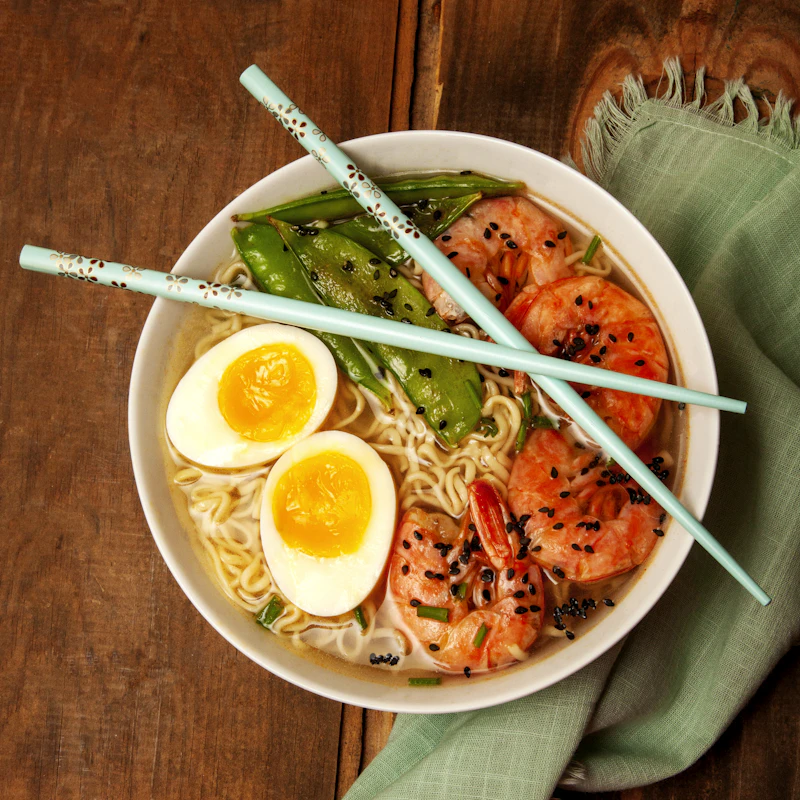
Ramen is more than just a quick meal in Japan—it's a cultural institution. With regional styles that vary dramatically across the country, ramen represents the soul of Japanese comfort food. Whether you're a first-time visitor or a ramen enthusiast, this guide will help you navigate the world of noodles with confidence.
Understanding the Four Main Ramen Styles
Tonkotsu Ramen: The Creamy Bone Broth Classic
Tonkotsu originates from Fukuoka in Kyushu and features a rich, creamy pork bone broth that simmers for 12-24 hours. The broth becomes a milky white color from the collagen and fats extracted from the bones. This is comfort food at its finest.
What to Order:
- Ask for "tonkotsu ramen" (とんこつラーメン)
- Standard size is one bowl: "hitotsu kudasai" (一つください)
- Common toppings include ajitsuke tamago (flavored soft-boiled egg), chashu (sliced pork belly), and kikurage (wood ear mushrooms)
Price Range: ¥900–¥1,500 depending on toppings and restaurant quality
Best Shops:
- Ippudo (multiple locations nationwide) offers reliable tonkotsu ramen
- Shin-Shin in Hakata (Fukuoka) is a local favorite for authentic Hakata tonkotsu
- Ichiran (Fukuoka and Tokyo) is famous for rich, complex tonkotsu
Miso Ramen: The Hearty, Umami-Rich Bowl
Miso ramen was born in Sapporo, Hokkaido, in the 1950s (the dish is credited to the restaurant Aji no Sanpei) and features a savory miso-based broth. This style became popular after World War II and now dominates northern Japan. The miso provides deep umami flavors that linger on your palate.
What to Order:
- Ask for "miso ramen" (味噌ラーメン)
- Request "karame karame" (辛め辛め) if you want extra spice
- Common toppings include bean sprouts (moyashi), corn, butter, and ground pork
Price Range: ¥850–¥1,400
Regional Variations:
- Hokkaido miso ramen is darker, richer, and often includes butter
- Nagoya red miso ramen ("aka miso") uses red miso and is spicier
Top Recommendations:
- Ganso Ramen Yokocho in Sapporo (the historic miso-ramen alley in Susukino)
- Menya Oji in Tokyo serves Hokkaido-style miso ramen
- Gantetsu Ramen offers premium miso ramen with house-made noodles
Shoyu Ramen: The Clear, Soy-Based Original
Shoyu ramen is Tokyo's traditional style and Japan's oldest ramen variant. The broth is made from soy sauce, chicken, and pork bones, resulting in a clear, amber-colored liquid. This is lighter than tonkotsu but packed with umami.
What to Order:
- Ask for "shoyu ramen" (醤油ラーメン)
- Request "tori soups" (鶏スープ) if you prefer chicken-based
- Standard toppings include nori (seaweed), menma (bamboo shoots), and mushrooms
Price Range: ¥800–¥1,300
Best for First-Timers:
Shoyu ramen is an excellent introduction because it's lighter than tonkotsu but equally satisfying. Tokyo's restaurants serve exceptional versions.
Top Shops:
- Tsukiji Outer Market ramen shops offer fresh, quality shoyu ramen
- Ippudo serves consistent Tokyo-style shoyu
- Momiji Ramen in Shibuya is a modern take on classic shoyu
Shio Ramen: The Delicate, Salt-Based Style
Shio ramen uses salt as its primary seasoning, creating a clean, delicate broth. While less common than other styles, it's the lightest and most refined option. This style is most associated with Hakodate, on Hokkaido's southern coast.
What to Order:
- Ask for "shio ramen" (塩ラーメン)
- The broth should be clear and pale—this indicates proper technique
- Toppings are typically minimal: chashu, scallions, and nori
Price Range: ¥900–¥1,400
How to Order Ramen Like a Local
Basic Ordering Phrases
At the counter or table:
- "Ramen hitotsu kudasai" (ラーメン一つください) = One ramen please
- "Atsui kudasai" (熱いください) = Make it hot (the broth is still hot enough)
- "Karame kudasai" (辛めください) = Make it spicy
- "Nori pika pika kudasai" (のり ぴかぴか ください) = Fresh, shiny seaweed please
Customization Options
Most ramen shops offer customization:
Noodle hardness (mendness):
- "Katai" (硬い) = Hard/chewy, cooked for 1-2 minutes
- "Futsuu" (普通) = Normal/standard cooking
- "Yawarai" (柔らかい) = Soft, cooked longer
Broth richness:
- "Kotteri" (こってり) = Rich, creamy
- "Assari" (あっさり) = Light, clean
Toppings to request:
- "Tamago onegaishimasu" (卵お願いします) = Egg please
- "Nori takusan" (のり多分) = Lots of seaweed
- "Karaage toppu" (唐揚げトップ) = Add crispy chicken on top
Regional Ramen Differences by Prefecture
Fukuoka Tonkotsu
The king of heavy, creamy ramen. Served with thin noodles and simple toppings. Expect to pay ¥700–¥1,000 for authentic versions in Fukuoka (cheaper than Tokyo).
Hokkaido Miso
Rich, dark, and often includes butter, corn, and beansprouts. The ramen yokocho alleys of Sapporo's Susukino district are the pilgrimage site (expect queues of 30+ minutes).
Hakodate Shio
Delicate seafood-based salt ramen from Hokkaido's coastal city. Light, elegant, and perfect for lunch (¥900–¥1,300).
Kitakata Shoyu
From the Fukushima prefecture, this shoyu ramen features wavy noodles and a clean broth with bamboo shoots (menma) as the signature topping.
Miyazaki Tonkotsu
Less creamy than Fukuoka style, Miyazaki tonkotsu uses chicken as well as pork and includes roasted garlic chips. Prices: ¥800–¥1,200.
Restaurant Etiquette and Tips
What you should know:
- Eat quickly: Ramen is best enjoyed immediately. Hot noodles absorb broth flavors better. Don't let it sit.
- Slurping is encouraged: The loud slurping sound (called "suu suu suu") is standard and shows appreciation. It's not rude—it's respectful.
- Finish the broth: Drinking the remaining broth is normal and shows you enjoyed it. Say "gochisousama deshita" (ごちそうさまでした) when finished.
- Payment method: Most traditional ramen shops are cash-only. ATMs are rarely available, so come prepared.
- Ticket machine ordering: In many shops, you buy a ticket from a machine at the counter, then hand it to the chef. Point at the picture if you can't read Japanese.
Ramen Shop Atmosphere: What to Expect
Traditional ramen shops are typically:
- Small and cramped: Often just a counter with 5-8 seats
- Loud: The kitchen is open, so you hear the sizzle and chop of food prep
- Quick-service: Expect your ramen within 5 minutes of ordering
- No-frills: Most lack elaborate decoration; the focus is on the food
Modern ramen chains offer:
- Larger seating areas
- English menus
- Higher prices (¥1,200–¥1,800)
- Consistent quality
Hidden Gems and Local Favorites
Tokyo's Best Kept Ramen Secrets
Shinjuku Ramen Yokocho (New Memory Lane) features 8 tiny ramen shops, each run by a different chef. This is where Tokyo insiders go. Expect character and passion in every bowl (¥900–¥1,200).
Nagoya's Red Miso Ramen
While exploring Nagoya, seek out "Ramen Alley" (ラーメン横丁) behind the Nagoya Station. Red miso ramen here packs a spicy punch and includes chicken broth (¥850–¥1,100).
Osaka's Tonkotsu Evolution
Recent years have seen Osaka embrace tonkotsu ramen from Fukuoka. Uraichi and Gajiro are modern premium versions serving tonkotsu with modern plating (¥1,300–¥1,800).
Pairing Ramen with Other Foods
Ramen isn't typically eaten alone. Consider adding:
Gyoza (dumplings): ¥400–¥700 for 5-6 pieces
Karaage (fried chicken): ¥500–¥900
Tori soboro don (rice with chicken): ¥600–¥1,000
Edamame (soybeans): ¥300–¥500
These sides enhance the meal without overwhelming the ramen experience.
Pro Tips for Your First Ramen Experience
- Go during off-peak hours (2-4 PM or after 9 PM) to avoid massive queues
- Bring cash to traditional shops
- Start with shoyu or shio before trying rich tonkotsu
- Ask locals "kore oishii desu ka?" (Is this good?) to find hidden gems
- Don't add soy sauce to the broth—the chef has balanced it carefully
- Save room for ramen: It's more filling than you'd expect
Seasonal Ramen Considerations
Summer: Lighter shio and shoyu ramen replace heavy tonkotsu in many regions
Winter: Rich tonkotsu and miso ramen dominate; some shops add butter and spice
Spring/Fall: All styles are equally popular; perfect time to explore
Price Summary by Style and Quality
Style · Budget · Mid-Range · Premium
Shoyu · ¥800 · ¥1,100 · ¥1,600
Tonkotsu · ¥900 · ¥1,300 · ¥1,800
Miso · ¥850 · ¥1,200 · ¥1,700
Shio · ¥900 · ¥1,300 · ¥1,800
Bringing It All Together
Ramen is the ultimate Japanese dining experience because it's democratic, delicious, and deeply regional. Whether you're standing at a tiny counter in Fukuoka slurping tonkotsu or sitting in a modern Tokyo ramen bar enjoying shoyu, you're participating in a food tradition that dates back centuries.
The beauty of ramen is that there's no "wrong" choice. Each style represents a region's culinary identity. Your first bowl might become your favorite, or you might spend your entire trip hunting for the perfect version of each style.
Don't be intimidated by the simplicity of ramen. Simplicity is intentional—each element (broth, noodles, toppings, technique) has been perfected over generations. Respect that tradition, slurp loudly, and enjoy one of humanity's greatest comfort foods.
Next time you see a line of people waiting outside a small ramen shop, join them. That's where the magic happens.