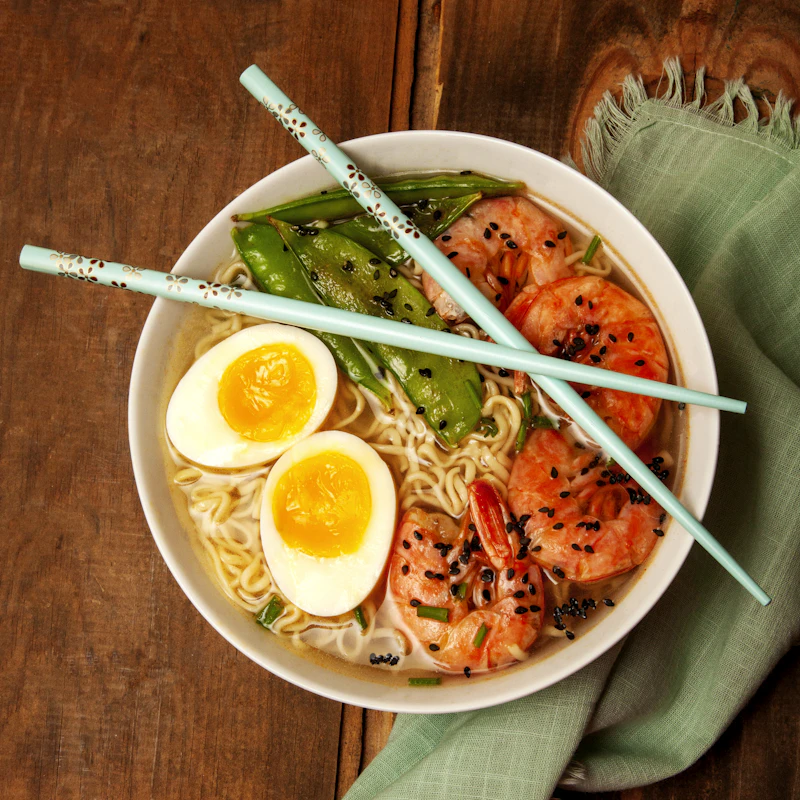
Udon and soba are Japan's two foundational noodle dishes. While both are satisfying, affordable meals that appear similar at first glance, they're fundamentally different—in ingredient, technique, history, and regional significance. Understanding the distinction reveals how Japanese cuisine varies across regions and how tradition influences modern dining culture.
Quick Comparison: Udon vs Soba
Aspect · Udon · Soba
Main ingredient · Wheat flour · Buckwheat (with wheat)
Thickness · Thick (3-5mm diameter) · Thin (1.5-2.5mm diameter)
Texture · Chewy, dense, soft · Firm, slightly earthy, delicate
Flavor · Mild, wheat-forward · Nutty, buckwheat character
Broth · Heavy, rich · Light, delicate
Serving style · Often in hot broth · Hot or cold equally common
History · Ancient China, developed in Japan · Ancient as soba-maki, modern as noodle ~500 years
Regional base · Western Japan (Osaka, Fukuoka) · Eastern Japan (Tokyo, Nagano)
Typical price · ¥500–¥1,200 · ¥600–¥1,500
Understanding Udon
What Is Udon?
Udon is a thick wheat noodle in a savory broth. The noodle itself is the star—chewy, dense, satisfying. Udon is often called "comfort food noodles" because the thick, substantial noodles provide visceral satisfaction.
Udon Noodle Structure
Ingredients:
- Wheat flour (99%)
- Water
- Salt
- Kneading and kneading again to develop gluten
Production:
- Flour and water mixed, kneaded extensively (10-20 minutes)
- Left to rest, then rolled flat or extruded
- Cut into thick noodles (3-5mm diameter typically)
- Boiled fresh or dried
Texture creation: Extensive kneading creates chewy, elastic texture. The thickness means noodles absorb broth while maintaining structural integrity.
Types of Udon Broths
Shoyu-based (醤油):
- Soy sauce, dashi, mirin
- Darkish color
- Savory, umami-forward
- Most common in Tokyo region
Miso-based (味噌):
- Miso, dashi, sometimes pork or chicken stock
- Creamier texture
- Richer flavor
- Common in central Japan (Nagoya especially)
Kare (Curry):
- Curry sauce with udon
- Increasingly popular
- Rich, warming flavor
- Relatively modern innovation
Kalamari (Seafood):
- Seafood-based broth (dashi, scallop, squid)
- Light but flavorful
- Less common, regional specialty
Regional Udon Styles
Sanuki Udon (讃岐うどん) - Kagawa Prefecture:
- Japan's most famous regional udon
- Thin, chewy noodles (distinctive texture—not as thick as standard)
- Light soy-based broth
- Pilgrimage destination: Kagawa prefecture has 900+ udon shops
- Price: ¥400–¥900 (cheapest quality udon in Japan)
Osaka Kake Udon:
- Served in light broth with minimal toppings
- Emphasis on noodle quality
- Casual, rapid service
- Price: ¥500–¥800
Hakata Udon:
- From Fukuoka (Hakata district)
- Soft, almost mushy noodles (overcooked by other regions' standards)
- Rich pork or chicken broth
- Served with soft-boiled egg, marinated cabbage
- Price: ¥600–¥1,000
Yosenabe Udon:
- Udon served in hot pot style
- Noodles cooked at table
- Vegetables, meat, tofu cooked together
- More interactive, restaurant experience
- Price: ¥1,200–¥2,000
Understanding Soba
What Is Soba?
Soba is a thin noodle made primarily from buckwheat flour (30-100% buckwheat, depending on grade). Soba has a delicate, slightly earthy, nutty flavor and is historically considered more refined than udon.
Soba Noodle Structure
Ingredients:
- Buckwheat flour (minimum 30%, up to 100%)
- Wheat flour (provides structure)
- Water
- Sometimes egg
Production:
- Flour mixed with water to form dough
- Kneaded minimally (unlike udon—over-kneading toughens soba)
- Rolled and cut into thin noodles (1.5-2.5mm diameter)
- Boiled, then typically plunged into ice water (even when served hot)
Buckwheat percentage matters:
- 40% buckwheat: Light, more flour-forward
- 70-80% buckwheat: Balanced, earthy character
- 100% buckwheat (juwari): Pure buckwheat, most earthy, requires skill to make
Soba Serving Styles
Hot Soba (Kakigori):
- Served in hot broth
- Similar broths to udon (shoyu, miso, curry)
- Better during winter months
- More comforting variation
Cold Soba (Zaru Soba):
- Served on bamboo rack (zaru), noodles chilled
- Eaten by dipping in cold broth
- Better during summer months
- More elegant presentation
- Highlights soba's delicate flavor
Cold Soba Preparations:
- Zaru soba: Plain cold soba on bamboo rack with dipping sauce
- Kake soba: Cold noodles poured into cold broth
- Tenzaru: Cold soba with tempura on top
Regional Soba Styles
Edo Soba (Tokyo Style):
- Thin, delicate noodles
- Light, clear shoyu-based broth
- Minimal, refined toppings (nori, scallions, maybe egg)
- Historical style, considered most refined
- Price: ¥700–¥1,500
Nagano Soba:
- Famous for quality buckwheat
- Often served hot in miso broth (hoto variation)
- Thicker noodles than Edo soba
- More rustic than Tokyo style
- Price: ¥700–¥1,200
Inaniwa Soba:
- From Akita Prefecture
- Extremely thin, delicate noodles
- Hand-crafted, expensive
- Rare, considered luxury soba
- Price: ¥1,500–¥3,000
Wanko Soba (Iwate Prefecture):
- Small portions served repeatedly (100+ servings in a sitting)
- Competitive, interactive dining
- Server continuously brings small bowls
- You pace yourself
- Price: ¥2,000–¥3,500
How to Order Udon and Soba
Choosing Hot vs Cold
At the counter, state:
- "Kake kudasai" (かけください) = "Hot, in broth, please"
- "Zaru kudasai" (ざるください) = "Cold, on bamboo rack, please" (soba only)
Choosing Toppings
Standard additions available:
For both udon and soba:
- "Tamago" (卵) = Soft-boiled egg
- "Tori karaage" (鶏唐揚げ) = Fried chicken
- "Tempura" (天ぷら) = Tempura topping
- "Negi" (ねぎ) = Green onion/scallion
For soba especially:
- "Oroshi" (おろし) = Grated daikon
- "Nori" (のり) = Seaweed
For udon especially:
- "Satsuma age" (さつまあげ) = Fish cake
- "Gobo" (ごぼう) = Burdock root
Noodle Texture Preferences
Some shops allow requesting noodle texture (similar to ramen):
- "Katai" (硬い) = Harder, less cooked
- "Futsuu" (普通) = Normal
- "Yawarai" (柔らかい) = Soft, well-cooked
Quantity
- "Futsuu" (普通) = Regular size
- "Daburuyon" (ダブル) = Double
- "Shogun" (小) = Small (some shops offer)
Broth Type Requests
- "Shoyu de" (醤油で) = With soy sauce broth
- "Miso de" (味噌で) = With miso broth
- "Karai" (辛い) = Spicy (if curry option available)
Udon and Soba Etiquette
Eating Technique
The slurp:
- Slurping is not just acceptable—it's encouraged
- Slurping aerates noodles, enhancing flavor
- Loud slurping shows appreciation
- Don't be shy; this is normal behavior
Why slurping matters:
- Noodles shouldn't be chewy if properly slurped
- Slurping cools hot noodles just slightly
- Air inhalation with noodles enhances taste perception
Dipping (for cold noodles):
- Pick up 3-5 noodles with chopsticks
- Dip in sauce (tsuyu)
- Slurp immediately
Temperature Etiquette
For hot noodles:
- Eat soon after serving (noodles soften over time)
- Small slurps initially (noodles are very hot)
- Alternate noodles with sips of broth
For cold noodles:
- Eat at your own pace
- More leisurely dining than hot noodles
- Broth and noodles are already cooled
Finishing
Drinking the broth:
- For hot noodles: Drinking remaining broth is normal and expected
- For cold noodles: Broth is often not finished
- Say "Gochisousama deshita" when complete
Dipping Sauce for Cold Noodles (Tsuyu)
Cold noodle dipping sauce is essential and typically consists of:
Base:
- Dashi stock (fish broth)
- Soy sauce
- Mirin (sweet rice wine)
- Often sake
Concentrated: Cold noodle sauce is typically more concentrated than hot broth (which is diluted more)
Toppings on the side:
- Grated ginger (wasabi for soba sometimes)
- Grated daikon radish (oroshi)
- Sliced scallions
- Nori (seaweed strips)
Dipping technique:
- Don't dunk excessively—brief dip sufficient
- The sauce is meant to coat lightly, not soak noodles
Price Comparison and Budget
Type · Budget · Mid-Range · Premium
Casual udon (chain) · ¥400-700 · ¥800-1,200 · N/A (udon less premium)
Casual soba · ¥600-900 · ¥1,000-1,500 · ¥1,500-2,500
Specialty udon (Sanuki) · ¥500-800 · N/A · N/A
Premium soba · N/A · ¥1,200-1,800 · ¥2,000-3,500+
Top Udon Restaurants and Regions
Kagawa Prefecture (Sanuki Udon Capital)
Yamamotoya: Historic 1865 shop, traditional Sanuki udon. ¥600–¥900. Takamatsu city.
Nabezo: Casual Sanuki udon chain, ¥500–¥800. Multiple Kagawa locations.
Tokyo (Udon Less Common)
Ichiran Udon: Reliable chain, ¥700–¥1,100. Modern setting.
Fukuoka (Hakata Udon)
Fukutei: Famous Hakata udon, casual counter. ¥600–¥950. Always busy.
Marui Udon: Hakata style, ¥700–¥1,000.
Top Soba Restaurants and Regions
Tokyo (Edo Soba)
Ichiran Soba: Chain with good soba, ¥800–¥1,300.
Sobatei: Traditional Edo soba, counter seating. ¥1,000–¥1,500. Ginza area.
Sarashina Horai: Historic soba, multiple Tokyo locations. ¥1,200–¥1,800.
Nagano (Nagano Soba)
Hoto Restaurants in Kawaguchiko: Hot miso soba specialty. ¥900–¥1,400.
Soba restaurants in Matsumoto: Mountain soba specialty. ¥800–¥1,300.
Iwate (Wanko Soba)
Wanko Soba Chain Restaurants (Morioka): Multiple locations offering the 100+ bowl experience. ¥2,000–¥3,500.
Understanding Dashi: The Broth Base
Both udon and soba broths are based on dashi—a simple fish and kelp stock that's fundamental to Japanese cuisine.
Dashi components:
- Kombu (dried kelp)
- Bonito flakes (katsuobushi, dried fish)
- Water
Preparation: Steeped for 5-10 minutes, strained, the foundation of all clear broths
Why it matters: Quality dashi determines broth quality. Premium restaurants source exceptional dashi ingredients.
Flavor: Umami-rich, clean, supports noodles without overwhelming them
Cold vs Hot Noodles: When to Eat Each
Hot noodles best in:
- Winter months (warming, comforting)
- When you want substance and richness
- When you're very hungry
- Cold weather days
Cold noodles best in:
- Summer months (refreshing, cooling)
- When you want lighter eating
- When you appreciate noodle quality most
- Hot weather days
Regional influence: Western Japan favors hot udon year-round. Eastern Japan enjoys seasonal variation of hot/cold soba.
Noodle Production and Craft
Both udon and soba making is a skilled craft:
Udon makers:
- Develop arm strength and technique through years of kneading
- Each batch is hand-worked to achieve ideal texture
- Timing is critical
Soba makers:
- Minimize handling (over-working toughens noodles)
- Expert knife skills for cutting
- Often made fresh to order
Pro Tips for Udon and Soba
- Visit specialized shops at least once—chains can't match craftsmanship
- Go early (before 11:30 AM) to get fresh noodles
- Ask locals for their favorite spot
- Watch how others eat to understand proper technique
- Try both hot and cold (same restaurant ideally) to appreciate differences
- Request toppings beyond standard (many restaurants have special items)
- Don't skip specialty regions (Kagawa for udon, Nagano or Tokyo for soba)
- Bring cash to traditional shops
Regional Philosophy Difference
Udon philosophy: Hearty, warming, comforting. About satisfaction and fullness. Emphasizes noodle chewy texture and rich broth.
Soba philosophy: Delicate, refined, seasonal. About appreciating pure buckwheat flavor. Eastern Japanese aesthetic of simplicity and elegance.
Bringing It Together
Choosing between udon and soba is choosing between two Japanese philosophies. Udon says "I want comfort and substance." Soba says "I appreciate delicate craftsmanship and pure flavor."
You don't need to choose—visit both. A bowl of steaming Sanuki udon from a tiny Kagawa shop and a tray of cold Edo soba from a Tokyo counter represent different aspects of Japanese food culture, both essential, both worth experiencing.
Slurp loudly, appreciate the texture, understand the regional pride in these simple noodles, and recognize that both are profound expressions of Japanese culinary values.