The Honest Truth: Japan is Not Vegan-Friendly (But Survival Is Possible)
Japan is notoriously challenging for vegans and vegetarians. Fish stock (dashi) appears in nearly all soups and rice dishes. Bonito flakes (katsuobushi) top everything from noodles to salads. Worcestershire sauce contains anchovies. Vegetable tempura is deep-fried in the same oil as fish and chicken.
This isn't anti-vegan sentiment. It's cultural: Japanese cuisine is built on umami from animal products. Vegetarianism is rare in Japan (under 5% of population). Most restaurants simply don't have experience with dietary restrictions.
I'm not vegan, but I've helped dozens of vegan travelers navigate Japan successfully. Survival requires research, Japanese-language communication skills (or smartphone translation), flexibility, and strategic restaurant selection. This guide provides practical strategies, specific restaurant lists, and honest assessment of which cities are manageable vs. which require extra effort.
The Core Problem: Hidden Animal Products
Dashi (Fish Stock)
Dashi is the foundation of Japanese cooking. A simple bowl of miso soup contains fish stock, making it non-vegan despite containing only vegetables.
Where it hides:
- Miso soup (nearly all restaurants)
- Soba and udon (broth is dashi-based)
- Steamed egg dishes (tamagoyaki)
- Vegetable side dishes (often simmered in dashi)
How to avoid: Ask specifically "dashi nuki" (without dashi). Some restaurants can accommodate; others can't.
Bonito Flakes (Katsuobushi)
Paper-thin smoked fish flakes topped on salads, okra, tofu. Sometimes added after cooking, so you can request "nuki" (without).
Fish Sauce (Gyoshio)
Used in cooking, often not mentioned on menus.
Hidden Worcestershire and Soy Sauces
Some contain anchovies. Standard versions don't, but it's variable.
The Strategic Approach: Eating Vegan in Japan
Easiest Cuisines for Vegans
1. Buddhist Temple Cuisine (Shojin Ryori)
Traditional vegetarian Buddhist meals are completely plant-based. They're also elaborate, refined, and exceptional.
- Price: ¥5,000–¥12,000 per meal
- Available in: Kyoto (most common), Koyasan, temples nationwide
- Advance reservation: Required (book 1–2 weeks ahead)
- Experience: Multi-course meal, artistic presentation, deeply satisfying
Where to find: Search "shojin ryori Kyoto" or contact temples directly. Recommendation: Hyotei (Kyoto, ¥8,000) and Izuju (Kyoto, ¥6,500).
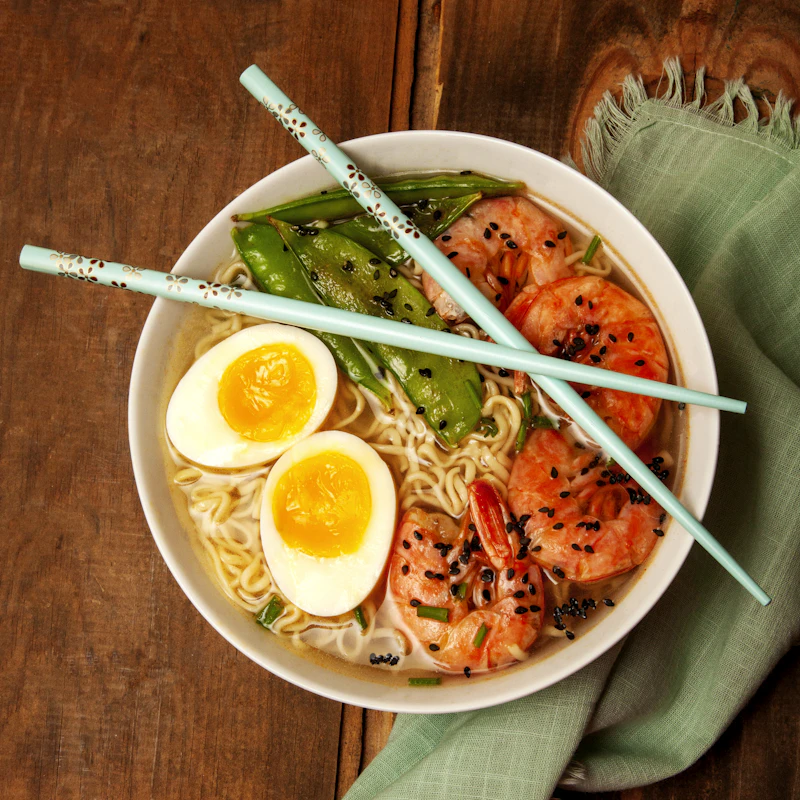
2. Ramen (Vegetable Miso or Shoyu)
Many ramen shops can prepare vegetable-only ramen with vegetable broth instead of animal-based broth.
- Price: ¥900–¥1,500
- Ask: "Yasai ramen, dashi nuki" (vegetable ramen, without fish stock)
- Availability: 30–50% of ramen shops can accommodate
Vegan-friendly ramen shops:
- Ichiran (Tokyo, Osaka, nationwide): Specify "vegetable broth" when ordering. They accommodate.
- Ramen Yoko-Cho (Tokyo): Smaller shops within the alley, some willing to adapt.
3. Sushi (Vegetable Only)
Cucumber rolls, avocado rolls, pickled vegetable rolls are vegan.
- Price: ¥100–¥300 per plate (conveyor belt sushi)
- Limitation: You'll eat less variety, but sushi is accessible
Vegan-friendly sushi: Conveyor belt sushi (kaitenzushi) is easiest. You pick what you want. Avoid anything with mayo (contains eggs).
4. Thai, Vietnamese, and Indian Restaurants
These cuisines have vegetarian options and staff experienced with dietary restrictions.
Tokyo/Osaka options:
- Thai restaurants: Numerous throughout major cities. Curry can be made vegan.
- Vietnamese: Pho (vegetable broth options), spring rolls with tofu
- Indian: Vegetable curries, dal, roti (check butter content)
Difficult Cuisines for Vegans
Avoid: Tempura (fried in shared oil), okonomiyaki (contains bonito flakes as standard), takoyaki (octopus-based), most noodle dishes (broth issues).
City-by-City Guide: Where Vegan Eating is Easiest
Kyoto (Most Vegan-Friendly)
Why: Buddhist temple heritage. Vegetarian cuisine (shojin ryori) originated here. Cultural appreciation for vegetarianism.
Best restaurants:
- Hyotei (Higashiyama Ward): Shojin ryori. ¥8,000. Book 2 weeks ahead.
- Okutan Kappa Zushi (Central Kyoto): Tofu-focused cuisine. Vegetable options available. ¥3,000–¥5,000. No reservation needed.
- Kinkaku-ji vegetarian option stalls: Near the temple, vendors sell vegetable soba and miso soup (request dashi nuki).
Effort level: Moderate. Many restaurants understand vegetarian requests.
Estimated daily food cost: ¥3,000–¥5,000 (eating vegetarian restaurant options).
Tokyo (Second-Most Accommodating)
Why: International city. Vegan/vegetarian communities exist. More dietary restriction awareness.
Best neighborhoods: Shibuya, Harajuku (health-conscious cafes), Roppongi (international restaurants).
Best restaurants:
- Organic Table by Natural House (Roppongi): Vegetable-focused. ¥2,500–¥4,000.
- Shinjuku Isetan Food Court: Multiple vegetarian vendors. ¥800–¥2,000.
- Thai restaurants throughout Roppongi and Shibuya: Numerous vegan curry options.
Effort level: Low-moderate. Many restaurants have vegetarian sections on menus.
Estimated daily food cost: ¥2,500–¥4,500.
Osaka (Mixed)
Why: Street food culture. Most street food is meat/fish-based. Less vegetarian infrastructure than Kyoto/Tokyo.
Best option: Vegetable okonomiyaki (possible but need to specify no bonito flakes, and most restaurants still top them).
Effort level: Moderate-high.
Estimated daily food cost: ¥2,500–¥4,000 (eating more casual options).
Smaller Cities and Rural Areas
Reality: Vegetarian options are limited. Convenience stores are your backup.
Strategy: Eat at convenience stores (7-Eleven, FamilyMart, Lawson). Options:
- Onigiri (rice balls): Many with vegetable fillings (umeboshi/pickled plum, seaweed salad)
- Vegetable bento boxes: Available at most stores
- Edamame (boiled soybeans): Pure protein
- Miso soup packets: Some are vegetable-based
Cost: ¥500–¥1,500 per meal.
Communication: How to Ask for Vegetarian/Vegan Food
Key Phrases (Japanese)
I am vegetarian: "Watashi wa bejitarian desu" (ワタシはベジタリアンです).
I don't eat meat: "Watashi wa niku wo tabemasenn" (ワタシは肉を食べません).
I don't eat fish: "Watashi wa sakana wo tabemasenn" (ワタシは魚を食べません).
No fish stock: "Dashi nuki de onegai shimasu" (ダシ抜きでお願いします).
This has fish, can you make it without?: "Kore ni wa sakana ga haitte imasu. Sakana nashi de dekimasu ka?" (これには魚が入っています。魚なしでできますか?).
Using Translation Apps
Google Translate app (with offline capability) is essential.
Strategy: Take a photo of the menu with Google Lens. Translate it. Identify animal-based dishes. Ask staff questions based on translation.
Better option: Use DeepL app (more accurate than Google Translate for Japanese). Both are free downloads.
Convenience Store Strategy: The Vegan Backup Plan
Every convenience store in Japan has vegetarian options. This is your safety net when restaurants fail.
Best convenience store vegan/vegetarian items:
- Onigiri with umeboshi (pickled plum): ¥120–¥200
- Vegetable inarizushi (tofu pouches with rice): ¥250–¥400
- Inari-zushi salad boxes: ¥400–¥600
- Edamame (boiled soybeans): ¥200
- Miso soup (vegetable varieties): ¥200–¥300
- Vegetable tempura: ¥300–¥500 (note: fried in shared oil, may contact animal products)
- Fruit cups: ¥300–¥500
- Nuts and seeds: ¥400–¥800
- Instant noodles (verify vegetable broth): ¥400
Cost per meal: ¥1,000–¥1,500 (multiple items).
Frequency: Use 1–2 convenience store meals daily. Supplement with restaurant meals when possible.
Specific Ingredients to Avoid
- Katsuobushi (bonito flakes): In/on many dishes
- Kombu dashi (kelp stock): Usually okay, but ask
- Tori soboro (chicken): In rice bowls
- Toro (fatty tuna): Sushi ingredient
- Anchovy (in sauces)
- Oyster sauce (in some dishes)
- Worcestershire sauce (traditional version contains anchovies)
Dietary Diversity: Eating Vegan Long-Term in Japan
If you're staying multiple weeks, monotony becomes an issue. Strategy:
- Rotate between temple cuisine, Thai restaurants, and convenience stores.
- Identify one Thai or Indian restaurant per city. Eat there every 5–7 days.
- Use convenience stores for 50% of meals. It's not ideal, but it's sustainable.
- Buy fresh produce from supermarkets or farmer's markets. Cook in your accommodation if available.
Supermarket fruit/vegetable cost: ¥300–¥600 per item (expensive, but worth it for variety).
Online Resources and Community
HappyCow App: World's largest vegan restaurant database. Search for vegan restaurants in any Japanese city. Updated by community. Essential download.
Local vegan Facebook groups: Search "vegan Tokyo," "vegan Kyoto," etc. Local vegans provide current restaurant information.
Vegewel: Japanese vegan community website. Restaurant listings. Limited English, but useful with translation app.
The Realistic Assessment
Best-case scenario (Kyoto): 70% of meals are specifically vegetarian/vegan restaurants. 30% require flexibility or are convenience store meals.
Moderate scenario (Tokyo): 50% are vegetarian restaurant options. 40% require negotiation or substitution. 10% are convenience store fallbacks.
Challenging scenario (Osaka, smaller cities): 30% are restaurant options. 40% require significant negotiation. 30% are convenience store meals.
Bottom Line Advice
- Come to Japan. It's possible.
- Book temple cuisine experiences in advance. These are the gems.
- Download HappyCow app immediately.
- Learn key Japanese phrases or have them written down.
- Accept that some meals will be imperfect. Convenience stores are your friend, not your enemy.
- Stay flexible. Perfect veganism might not be 100% possible, but 90% is achievable.
- Focus on the experience, not just the diet. Some of the best vegan food experiences in Japan come from unexpected sources.
Veganism in Japan is challenging. It's not discrimination. It's cultural. Japanese cuisine evolved without vegetarianism as a priority. But hospitality (omotenashi) is central to Japanese culture. Most restaurants will make honest efforts to accommodate if they understand your needs.
Come respectfully. Communicate clearly. Stay patient. Enjoy what's available.
Japan is worth the dietary compromise effort.