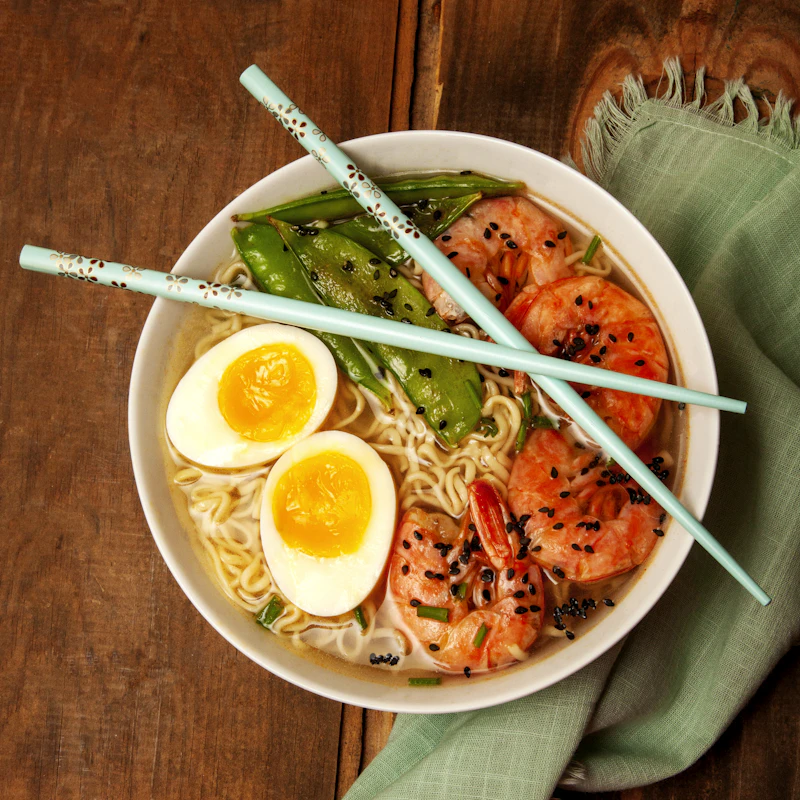
Japan's Halal Food Revolution: A Modern Reality
Five years ago, finding halal food in Japan required extraordinary effort. Today, major cities have dedicated halal restaurants, halal-certified convenience stores, and growing awareness among restaurant owners.
Japan's Muslim population is roughly 200,000 (mostly visitors and Southeast Asian workers). Growing tourism from Muslim-majority countries (Malaysia, Indonesia, UAE) prompted Japanese restaurants to pursue halal certification. This created a new dining category: restaurants serving both Japanese cuisine and halal-compliant food.
I've worked with Muslim travelers navigating Japan and with restaurant owners implementing halal protocols. I've eaten at halal restaurants, visited halal-certified convenience stores, and understand the nuances of halal dining in a non-Muslim country. This guide provides current information, specific restaurant lists, and practical strategies for eating halal in Japan.
Understanding Halal in Japan
Halal certification in Japan is relatively new. There's no centralized national system. Multiple organizations certify halal (Japan Halal Association, Tokyo Halal Association). Standards vary by certifier and restaurant.
Key halal requirements:
- No pork or pork products
- No alcohol in food
- Meat is slaughtered by Muslims following Islamic method (dhabihah)
- No cross-contamination with haram (forbidden) ingredients
- Limited: Gelatin (often from pork), certain additives, fish sauce (debatable by Islamic school)
Complications in Japan:
- Fish sauce and shellfish are common in Japanese cuisine (some Islamic schools allow these, others don't)
- Alcohol (sake, mirin) appears in many dishes
- Cross-contamination is challenging in small kitchens
- Meat sourcing is limited; many restaurants use imported halal meat
Certified Halal Restaurants: City Guides
Tokyo (Largest Halal Options)
Habibi (Roppongi, Minato Ward)
- Cuisine: Lebanese, Mediterranean
- Halal certification: JADA certified
- Price: ¥1,500–¥3,500 per meal
- Hours: 11 AM–11 PM
- Specialties: Shawarma, kebab, hummus, falafel
- Best for: Middle Eastern halal dining
- Reservation: Not needed for most times
Arabian Table (Shibuya)
- Cuisine: Middle Eastern, Lebanese
- Halal certification: JADA certified
- Price: ¥1,200–¥2,500 per meal
- Hours: 11 AM–10 PM
- Specialties: Kebab, mezze platters, grilled meat
- Best for: Casual halal dining
- Seating: Small (20 seats), can have wait at lunch
Katsuda (Shibuya, Minato)
- Cuisine: Japanese with halal modifications
- Halal certification: JADA certified
- Price: ¥2,500–¥4,500 per meal
- Hours: 5 PM–11 PM (dinner only)
- Specialties: Katsu (breaded cutlet), teriyaki, grilled fish
- Best for: Japanese food enthusiasts wanting halal options
- Reservation: Recommended, especially weekends
Mirai Cuisine (Minato Ward)
- Cuisine: Fusion (Japanese-Mediterranean)
- Halal certification: JADA certified
- Price: ¥3,000–¥6,000 per meal
- Hours: 11 AM–10 PM
- Specialties: Halal ramen, bowl dishes, innovative fusions
- Best for: Higher-end halal dining
- Reservation: Recommended
Malaysian/Indonesian Restaurants (Shibuya, Roppongi)
- Teh Tarik Cafe: Malaysian cuisine. Generally halal-friendly. ¥1,500–¥2,500
- Nasi Kuning: Indonesian. Halal options available. ¥1,200–¥2,000
Finding more Tokyo halal restaurants: Search "Halal Tokyo" on Google Maps or use the HalalTrip app. Real-time information from community.
Kyoto (Limited but Growing)
Al-Islah (Central Kyoto, Shimogyo Ward)
- Cuisine: Middle Eastern
- Halal certification: Partially halal (not formally certified, but owner understands halal requirements)
- Price: ¥1,500–¥2,500 per meal
- Hours: 11 AM–9 PM
- Specialties: Kebab, fattoush salad, hummus
FUTON Noodle (Kawaramachi)
- Cuisine: Japanese ramen adapted for halal
- Halal certification: Informal (owner is Muslim)
- Price: ¥900–¥1,500
- Hours: 11 AM–10 PM
- Specialties: Halal ramen with vegetable or chicken broth
Muslim-friendly hotels: The Ritz-Carlton Kyoto and Four Seasons offer halal room service. ¥800–¥2,000 per meal. Reservation required.
Important note: Kyoto is less halal-diverse than Tokyo. Plan meals around these restaurants or use halal convenience store options as supplement.
Osaka (Growing Options)
Hal Al Rashid (Shinchi, Kita Ward)
- Cuisine: Middle Eastern, Lebanese
- Halal certification: Certified
- Price: ¥1,500–¥3,000
- Hours: 11 AM–10 PM
- Specialties: Kebab, grilled meat, mezze
Turkish Table Balkon (Dotonbori)
- Cuisine: Turkish
- Halal certification: Informally halal (Turkish owner, Muslim-conscious)
- Price: ¥1,800–¥3,000
- Hours: 11 AM–10 PM
- Specialties: Turkish kebab, pide (Turkish flatbread)
Halal Okonomiyaki (Dotonbori)
- Cuisine: Okonomiyaki (Japanese savory pancake) adapted for halal
- Halal certification: Owner trained in halal preparation
- Price: ¥800–¥1,500
- Hours: 11 AM–9 PM
- Note: Okonomiyaki traditionally contains pork and fish-based sauce. This shop uses halal modifications.
Halal-Certified Convenience Stores
FamilyMart introduced halal certification to 100+ stores across Japan. Look for "HALAL MARK" on storefront.
Halal FamilyMart Locations:
- Tokyo: 40+ stores (Shibuya, Shinjuku, Roppongi, Akasaka, most central areas)
- Kyoto: 15+ stores
- Osaka: 20+ stores
- Nagoya: 10+ stores
Halal items available:
- Onigiri (rice balls) with halal-certified filling: ¥130–¥200
- Chicken karaage (fried chicken, halal-certified meat): ¥300–¥500
- Teriyaki chicken: ¥400–¥600
- Vegetable dishes: ¥250–¥400
- Salads: ¥300–¥500
- Packaged bento boxes: ¥600–¥1,000 (verify halal label)
Finding halal FamilyMart: Google Map search "FamilyMart Halal" or use HalalTrip app for store locator.
Cost: ¥1,000–¥2,000 per meal (multiple items).
How to Identify Halal Certification
Official Markings
- JADA Certified: Japan Halal Association. Most credible certifier.
- Halal Mark: Various organizations. Legitimate if from recognized certifier.
- Owner is Muslim: Informal indicator. Many small restaurants owned by Muslims follow halal practices without formal certification.
Questions to Ask
"Is this restaurant halal certified?": "Kono resutoran wa halal shonin sarete imasu ka?" (このレストランはハラール認証されていますか?).
"Does this meal contain pork?": "Kono shokuji ni buta niku ga fukunmarete imasu ka?" (この食事に豚肉が含まれていますか?).
"Is the meat halal?": "Kono niku wa halal desu ka?" (この肉はハラールですか?).
Translation app strategy: Use Google Translate or DeepL to translate these questions before visiting.
Fish Sauce, Shellfish, and Alcohol: The Gray Areas
Fish sauce (Gyoshio): Traditionally haram in most Islamic schools. Many Japanese dishes use fish sauce. Ask explicitly if it's used.
Shellfish: Opinions vary. Some Islamic schools permit shellfish; others don't. Make your dietary requirements clear.
Alcohol in cooking: Mirin (sweet rice wine), sake are traditional ingredients. Heat theoretically removes alcohol, but many Muslims avoid it as precautionary. Ask before ordering.
Best approach: When dining at non-certified restaurants, ask: "This dish doesn't contain fish sauce, shellfish, or alcohol, right?" (This requires translated questions.)
Practical Strategies: Dining Halal in Japan
Strategy 1: Halal Restaurant + Convenience Store Combo
- 1 halal restaurant meal per day (¥2,000–¥4,000)
- 1–2 convenience store meals daily (¥1,500–¥2,000)
- Cost: ¥3,500–¥6,000 per day
Strategy 2: Convenience Store Primary
- All meals from halal-certified FamilyMart (cheapest option)
- One special halal restaurant meal per week
- Cost: ¥2,500–¥4,000 per day
Strategy 3: High-End Hotels
- Luxury hotels (Ritz-Carlton, Four Seasons, Park Hyatt) offer halal room service
- Cost: ¥1,500–¥3,000 per meal
- Best for: Ensuring complete halal compliance
- Reservation: Book 1 day ahead
Strategy 4: Self-Catering (If Accommodation Allows)
- Rent an apartment with kitchen in Kyoto, Tokyo
- Buy halal meat from specialty shops or online
- Cost: ¥2,000–¥3,500 per day
- Requires Japanese language skill for shopping
Apps and Online Resources
HalalTrip App: Shows halal restaurants worldwide, including Japan. User reviews. Currently most comprehensive.
Google Maps: Search "Halal Tokyo," "Halal Kyoto." Includes reviews, hours, certification info.
TabLog: Japanese restaurant review site. Search in Japanese: "ハラル" (Hararu). Some Japanese speakers list halal options.
Japan Halal Association Website: jaha.jp (Japanese only, but useful for official certified restaurant lists).
Practical Communication Tips
Key Phrases
"I eat halal": "Watashi wa halal wo tabemasu" (ワタシはハラールを食べます).
"Does this contain pork?": "Buta niku wa haitte imasu ka?" (豚肉は入っていますか?).
"Can you prepare without pork?": "Buta niku nashi de dekimasu ka?" (豚肉なしでできますか?).
"No shellfish, no fish sauce": "Kaigara-rui to gyoshio wa dame desu" (貝殻類と魚塩はダメです).
Written Communication
Print this in Japanese or English and show to servers:
"I eat halal. I don't eat pork, shellfish, or food cooked in alcohol. Is there meat in this dish? If yes, is it halal certified? Thank you."
ハラール対応でお願いします。豚肉、貝類、アルコール調理の食事は食べません。この料理に肉は含まれていますか?はいの場合、ハラール認証ですか?ありがとうございます。
(Carry this on your phone or printed.)
City Ranking: Halal-Friendliness
1. Tokyo (Most accommodating)
- Multiple certified halal restaurants
- Halal FamilyMart stores throughout
- Largest Muslim community
- English-speaking staff more common
- Estimated 40+ options
2. Osaka (Moderate)
- Growing halal options
- Halal FamilyMart available
- Less English support than Tokyo
- Estimated 15+ options
3. Kyoto (Challenging)
- Limited formal halal restaurants
- Some Muslim-friendly independent restaurants
- Fewer halal convenience stores
- Requires more planning
- Estimated 5–8 options
4. Smaller cities (Plan carefully)
- Minimal halal options
- Rely on convenience stores or self-catering
- Communication is challenging without Japanese
Bottom Line
Halal dining in Japan is increasingly possible, especially in major cities. Tokyo is genuinely accessible. Kyoto requires more planning. Smaller cities demand backup strategies.
Best approach:
- Research halal restaurants in your destination city in advance
- Identify nearest halal FamilyMart stores
- Learn key Japanese phrases or print communication cards
- Be flexible (some compromises may be necessary)
- Use HalalTrip app for real-time restaurant finding
Japan respects dietary requirements. Most restaurants will make honest efforts to accommodate if they understand your needs.
Halal dining in Japan is feasible. Plan strategically, communicate clearly, and enjoy the experience.