Japanese Dining Etiquette: Mastering Chopsticks, Slurping and Table Manners in Japan
Japanese dining etiquette represents far more than simple table manners; it embodies respect for food, gratitude toward those who prepared it, and consideration for fellow diners. As of 2025, understanding proper dining customs significantly enhances your Japan experience, allowing authentic engagement with local restaurants, home invitations, and cultural experiences. Many Japanese people report that foreign visitors demonstrating genuine effort to follow dining customs—regardless of perfect execution—receive warm appreciation and often preferential service. This comprehensive guide covers everything from correct chopstick technique to restaurant ordering procedures, ensuring confident participation in Japan's remarkable culinary culture.
The Cultural Significance of Dining Etiquette in Japan
Japanese dining customs developed over centuries, reflecting Buddhist and Shinto traditions emphasizing gratitude, mindfulness, and community. Proper etiquette demonstrates respect for ingredients, cooks, the dining environment, and fellow guests. The concept of "itadakimasu" (literally "I humbly receive"), spoken before meals, acknowledges farmers, fishermen, animal sacrifices, and others involved in food production. Similarly, "gochisousama" (literally "thank you for the meal") expressed after dining, demonstrates gratitude to the cook. These phrases remain meaningful ritual elements in modern Japan, with schoolchildren learning elaborate explanations of their significance before learning to write. Understanding the philosophy behind dining customs helps foreigners appreciate the depth of these seemingly simple gestures. In business contexts, dining etiquette profoundly impacts professional relationships; clients and business partners judge colleagues' reliability and respect partly through dining comportment.
Chopstick Mastery: Technique, Do's and Don'ts
Chopstick proficiency ranks as one of the most visible dining skills in Japan. Japanese people, particularly older generations, notice chopstick technique immediately; proper handling demonstrates cultural respect and awareness. Many Japanese individuals report feeling impressed when foreigners demonstrate competent chopstick use after practice efforts.
Proper Chopstick Grip and Technique
Step-by-Step Chopstick Holding Instructions:
- Hold the first chopstick (stationary stick) between your ring finger and middle finger, supported by your ring finger underneath, holding it relatively fixed in position
- Hold the second chopstick (working stick) between your index and middle fingers, gripping it like a pencil, with your thumb supporting underneath
- Keep the stationary stick in one position while moving only the upper working stick
- Hold chopsticks approximately 1/3 of the way down their length, not at the tips or upper ends
- Maintain relaxed hand tension; cramped gripping appears tense and feels uncomfortable
- Practice picking up small objects like beans or nuts to develop fine motor control
- Learn to break apart wooden disposable chopsticks (waribashi) cleanly without splinters
Common Chopstick Mistakes to Avoid
- Stabbing Food: Using chopsticks to spear or pierce food is absolutely prohibited. Stabbing resembles Japanese funeral chopstick practices and is considered highly offensive. Instead, practice gripping and pinching technique to hold items securely.
- Poking at Food: Never poke or probe at dishes to investigate contents. This appears disrespectful and suggests you're examining food suspiciously rather than eating appreciatively.
- Chopstick Crossing: Avoid placing chopsticks in an X pattern on plates or tables; this resembles Japanese funeral rituals and is strongly considered bad luck and disrespectful.
- Vertical Sticks in Rice: Never stick chopsticks vertically into rice bowls. This gesture exactly mirrors funeral rice offerings and is deeply offensive in Japanese culture. Always rest chopsticks horizontally on bowl edges or dedicated rests.
- Using Chopsticks to Point: Do not gesture with chopsticks to point at people or objects; this appears rude and disrespectful. Use open hands for gestures instead.
- Passing Food Chopstick-to-Chopstick: Never pass food between two sets of chopsticks held by different people. This mimics funeral bone-passing ceremonies and is strongly taboo. Instead, place food on communal serving dishes or recipient's plate directly.
- Inverted Chopsticks for Serving: When serving communal dishes, some restaurants provide dedicated serving chopsticks or ladles. Use these implements, not your personal chopsticks, to serve yourself or guests. This maintains hygiene and respect.
- Waving Chopsticks in Air: Avoid unnecessarily gesturing with chopsticks or holding them while talking; simply rest them on chopstick rests (hashioki) between bites.
Chopstick Etiquette in Different Settings
Home Dining: Host families typically provide chopsticks suited to each family member's hand size and preference. Using provided chopsticks shows respect for the household. If offered a choice, select chopsticks appropriately sized for your hands; very large or very small chopsticks indicate difficulty. Accept compliments on your chopstick technique graciously without excessive self-deprecation.
Restaurant Dining: Restaurants provide disposable wooden chopsticks (waribashi) or permanent chopsticks (saibashi). Break apart wooden chopsticks smoothly; if splinters appear, request different chopsticks rather than using rough sticks. Place used chopsticks on the small ceramic or wooden rest provided (hashioki), never leaving them loose on the table or plate.
Formal Dining: High-end restaurants provide elegant permanent chopsticks, often made from expensive woods or lacquered materials. These quality chopsticks require special care; rest them carefully on provided rests and never place on plates or table edges. Using nice chopsticks demonstrates appreciation for the restaurant's attention to detail.
Slurping, Sound-Making, and Audible Eating in Japan
Sound production while eating divides foreign visitors sharply from Japanese dining culture. What Western dining emphasizes as quiet, inconspicuous eating, Japanese culture often celebrates as enthusiastic appreciation. Understanding this cultural divide prevents misunderstandings and allows confident dining participation.
When Slurping Is Appropriate and Expected
Noodle Dishes: Slurping noodles (ramen, udon, soba) is not merely acceptable—it's culturally expected and demonstrates appreciation for the dish. The loud sound signals enjoyment to the cook and other diners. Slurping noodles creates aereration, cooling hot broth while mixing flavors, actually improving the eating experience. Eating ramen or udon silently suggests you dislike the dish and feel reluctant to eat it. Conversely, enthusiastic slurping shows genuine appreciation and often results in the cook offering additional portions or special attention. Children are taught to slurp noodles loudly in Japanese schools; this is standard dining behavior, not a violation of etiquette.
Soups and Broths: Sipping soup directly from the bowl (lifting it to your lips) is acceptable and common in Japan. Slurping soup quietly or audibly both register as normal. Hot soup requires careful sipping to avoid burns; most Japanese diners blow slightly on soup before sipping.
Other Sounds: Chewing with mild sound production while eating rice or solid foods is normal and acceptable. Loud open-mouth chewing (common in many Western cultures) is considered impolite in Japan, but quiet eating and drinking sounds don't register as violations.
Specific Expectations by Dish Type
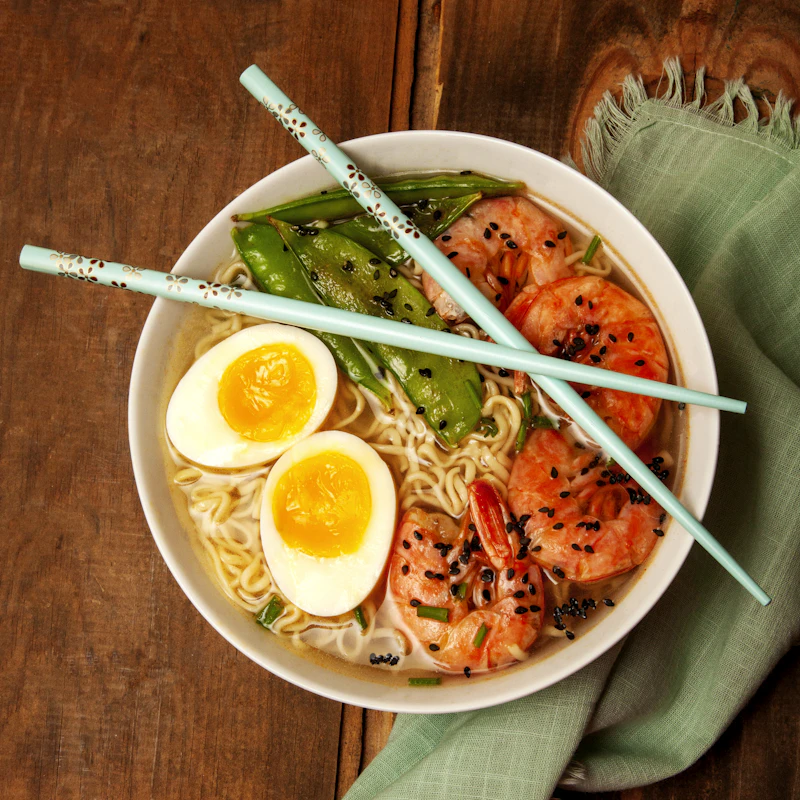
Ramen: Slurp enthusiastically while twirling noodles on chopsticks or fork. The louder the better; it indicates you're enjoying yourself. Finish the broth by lifting the bowl to your lips and sipping the remaining liquid. This demonstrates complete appreciation for every component of the dish.
Udon: Similar to ramen, slurp udon noodles vigorously. Udon noodles are thicker and chewier; louder slurping is encouraged. Many udon shops expect and appreciate loud slurping.
Soba: Slurp soba noodles audibly while dipping them in sauce. Traditional soba consumption includes intentional slurping to cool the noodles and appreciate flavors. However, some high-end soba restaurants expect slightly quieter consumption than casual shops.
Soup Courses: Sip soup from the spoon or directly from the bowl. Quiet slurping is appropriate; loud slurping appears less refined in formal settings.
Rice and Solid Foods: Eat without intentional sound production. However, occasional quiet chewing or swallowing sounds are perfectly acceptable and not considered rude.
Essential Table Manners and Dining Sequence
Japanese meals follow specific sequences and presentation conventions reflecting centuries of culinary tradition. Understanding this structure allows appreciation of each course's purpose and helps you participate naturally in formal dining situations.
The Traditional Japanese Meal Structure
Traditional Japanese meals (particularly washoku, recognized as UNESCO Intangible Cultural Heritage) follow a specific sequence: rice and miso soup first, followed by main protein dishes, accompanying vegetable dishes, and finally pickled vegetables. This structure originated partly from Buddhist principles emphasizing gratitude for carbohydrates and balanced nutrition. Home meals and formal banquets follow this progression, with each element serving specific nutritional and flavor purposes. Modern casual restaurants often present all items simultaneously, but understanding traditional structure enhances appreciation of thoughtfully designed meals. In formal kaiseki dining (high-end multi-course Japanese cuisine), the progression stretches across 15-20 courses, each presented sequentially at specific moments determined by the chef.
Step-by-Step Dining Procedure
- Upon being seated, place your napkin on your lap if at a table with Western-style chairs; for floor seating, keep napkin available near you
- Say "itadakimasu" (I humbly receive) before beginning to eat, bowing slightly while touching chest in gratitude
- Begin with small sips of miso soup if present, appreciating the warmth and flavors
- Eat rice from the provided rice bowl, holding it at chest height while eating with chopsticks (not setting it on the table)
- Progress through accompanying dishes in order, sampling each element
- Alternate between rice, protein, vegetables, and soup throughout the meal in a balanced rhythm
- Complete all items on your plate; leaving food uneaten suggests disrespect for ingredients and the cook's effort
- Finish meals by saying "gochisousama" (thank you for the meal), bowing slightly
Proper Handling of Individual Dishes
Rice Bowls: Hold rice bowls at chest height with one hand supporting underneath while eating with chopsticks. Avoid setting bowls on the table; proper etiquette requires hand-holding. Finish all rice in the bowl; leaving rice uneaten is considered wasteful and disrespectful. If you cannot finish the amount served, politely request a smaller portion before eating.
Soup Bowls: Lift miso soup and other broths to your lips, sipping directly from the bowl. Use the provided spoon for any ingredients if difficult to retrieve with chopsticks. Finish the soup completely; it's considered part of the meal rather than an optional component. The warmth of miso soup aids digestion and completes the meal's structure.
Small Dishes and Appetizers: Eat items on small dishes (typically 5-12 centimeter diameter) directly from the dish, or transfer to your personal plate if one is provided. Finish these small dishes completely; leaving portions demonstrates disrespect.
Shared Dishes: If dishes are served for sharing, use serving utensils (provided chopsticks or spoons) to transfer portions to your personal dish. Never serve yourself directly with chopsticks used for eating. Take reasonable portions, allowing other diners equal access to the shared items.
Dishes with Bones or Inedible Parts: Eat the meat from around bones, then place bones neatly on the edge of your plate or a provided small plate. Do not spit bones onto the table or onto your plate's center. If consuming whole fish, eat the meat carefully, leaving the skeleton intact for easy removal at meal's end.
Restaurant Etiquette and Dining Out Procedures
Japanese restaurants operate with specific customs and procedures that may differ significantly from Western dining establishments. Understanding these conventions ensures smooth restaurant experiences and demonstrates respect for dining cultures.
Entering and Seating Procedures
Upon entering a Japanese restaurant, stand near the entrance and wait for staff greeting. Do not seat yourself unless clear signs indicate "self-seating" (rare in formal restaurants). Staff will ask "Irasshaimase!" (welcome) and request party size. Indicate your group size with fingers if language proves challenging. Wait while staff guides you to your table. Remove shoes before entering tatami-mat seating areas (zashiki seating); staff will assist and store shoes safely. Sit on the floor cushions (zabuton) if provided, or on chairs if available. Staff will bring menus and often provide water (complimentary) and hot towels (oshibori) for hand cleaning before eating.
Ordering Procedures and Menu Navigation
Ordering Methods: Traditional table service involves staff taking orders verbally. Alternatively, many restaurants use ordering cards where you check boxes next to desired items and pass cards to staff. Increasingly common are table-side ordering tablets where you select items on a touchscreen and submit orders. Some casual restaurants use vending machines where you purchase meal tickets before being seated, then give tickets to staff who prepare your meal. Learn basic ordering phrases: "Kore kudasai" (this one, please) while pointing, or hold up the menu item photo for staff to identify.
Navigating Japanese Menus: Menus often feature photos making identification easy even without language skills. If menus lack photos, ask staff "Dore ga osusume desu ka?" (what do you recommend?) to receive personalized suggestions. Set dietary restrictions: vegetarian (bejitarian desu), allergies (yeast/peanut/shellfish allergy), or religious dietary needs. Most Japanese restaurants will accommodate requests when clearly communicated. Indicate spice preferences: mild (amari karai nai), medium (futsuu), or spicy (karai).
Portion Sizes and Sharing: Individual entree portions in Japan are typically smaller than Western equivalents. Ordering multiple dishes and sharing is encouraged and expected; restaurants provide extra plates (kozara) without charge. This practice allows sampling diverse flavors and is considered normal, not unusual. Staff will redistribute shared dishes among the group naturally.
Drinking Alcohol at Meals and Bar Etiquette
Beer and Sake Service: Beer arrives in small bottles or glasses (approximately 200-330ml). Accept beer pours from servers graciously; refusing completely may offend. However, indicating "just a little" (sukoshi) is acceptable. Never pour your own first drink; wait for a server or companion to pour. Return the gesture by pouring for others. Sake (rice wine, typically 15-20% alcohol, ¥500-3,000/$3-20 per flask) arrives warm or cold depending on type and season. Hold the sake cup with both hands when being served; this respectful gesture is appreciated.
Drinking Customs: Drinking in Japan emphasizes socialization and group harmony rather than individual consumption. Professional drinking culture (nomikai) involves colleagues bonding through shared beverages. Eat food continuously while drinking to pace alcohol absorption and prevent intoxication. Declining additional drinks is acceptable once you've had sufficient alcohol; saying "daijoubu desu" (I'm okay, thank you) ends drink offers respectfully. Remaining at the table with soft drinks after declining alcohol is perfectly acceptable.
Izakaya Bar Etiquette: Izakaya (Japanese pubs, ¥2,000-5,000/$14-35 per person for food and drinks) combine casual dining with drinking culture. Order food and drinks throughout the evening. It's acceptable to arrive hungry or simply for drinks; flexible ordering is standard. Noise levels are higher than formal restaurants; casual conversation and laughter are expected. Bartenders appreciate friendly engagement; regular customers often develop relationships with favorite izakaya staff.
Payment Procedures and Tipping Behavior
Paying Your Bill: Japanese restaurants do not provide bills automatically; when finished eating, signal staff by saying "sumimasen" (excuse me) and making a brief hand gesture. Staff will bring a bill on a small tray or direct you to the register. Examine the bill carefully (mistakes are rare but possible); payment is immediate rather than extended credit system common in Western restaurants. Restaurants typically close bills within 1-2 minutes of requesting them. Lingering after finishing is acceptable in casual restaurants but discouraged in busy establishments with waiting customers.
Tipping Is Not Expected and May Offend: Do NOT tip at restaurants in Japan. Tipping is not part of Japanese culture and may actually confuse or offend servers who interpret tips as criticism of service. Staff salaries include compensation; service charges appear on bills when applicable (typically 10-15% at high-end establishments). If you wish to show appreciation, verbal thanks ("gochisousama, oishikatta desu"—thank you, it was delicious) is far more meaningful than monetary tips. Some foreign visitors mistakenly leave tips; Japanese staff often attempt to return money, creating awkward situations.
Payment Methods: Japanese restaurants accept cash, credit cards, and mobile payments (Line Pay, PayPay, various IC cards). Notify servers of your payment method before presenting your card; some establishments require specifying payment method in advance. Avoid splitting bills unless staff specifically offers this option; typically one person pays the complete bill, and friends repay individually or buy drinks later.
Home Dining and Invitation Etiquette
Dining at Japanese homes offers intimate cultural experiences and relationships deepening opportunities. Special etiquette considerations apply to home dining that differ from restaurant contexts.
Accepting Home Invitations and Gift-Giving
When invited to eat at a Japanese home, confirm attendance promptly; casual acceptance may be misunderstood as uncertain. Ask about dietary restrictions or preferences the host might need to know; mentioning vegetarian needs or allergies prevents awkward situations. Arrive 10-15 minutes after the specified time (arriving early is considered rude; arriving more than 15 minutes late is disrespectful). Bring a small gift (omiyage, ¥1,000-3,000/$7-20): seasonal sweets, quality fruit, nice tea, or wine/spirits are appropriate. Flowers are acceptable except white flowers (associated with funerals), yellow chrysanthemums (funeral flowers), or potted plants (suggesting staying permanently). Present gifts with both hands while saying something modest like "tsumaranai mono desu ga" (it's a humble gift, but please accept it). Hosts typically set gifts aside rather than opening immediately; this is customary, not rejection.
Behavior During Home Meals
Remove shoes at the entrance immediately, placing them neatly pointing outward toward the door. Follow the host's lead on where to sit; do not presume tatami mat seating unless invited. Compliment the meal generously and specifically: "oishii desu!" (this is delicious), or more detailed appreciation like "kono tempura wa totemo oishii desu" (this tempura is especially delicious). Ask questions about dishes and ingredients, showing genuine interest. Accept food offerings graciously, even if you don't particularly enjoy the item; refusing meals is considered rude. Eat small portions of everything offered rather than large amounts of preferred items; this demonstrates appreciation for variety and prevents appearing gluttonous. Never refuse more rice or soup; accepting additional servings honors the host's preparation efforts. Offer to help clear dishes; hosts typically decline, but offering shows consideration.
Post-Meal Expression of Gratitude
After finishing, say "gochisousama" and bow slightly. This phrase carries deep meaning beyond simple thanks; it acknowledges the time, effort, ingredients, and care the host invested in the meal. Many foreign guests report that heartfelt expression of gratitude moves Japanese hosts deeply. Within 2-3 days, send a thank you message (email, phone call, or letter) expressing appreciation for the meal and hospitality. Mention specific dishes you enjoyed: "the miso soup was especially delicious" shows you paid attention and genuinely appreciated the meal. This follow-up message transforms one meal into deepened relationship; Japanese culture values these acknowledgments highly. For family dinner invitations, bringing a small return gift to the next meeting (cookies, tea, wine) continues the reciprocal gratitude cycle.
Specific Dining Situations and Etiquette Variations
Different dining contexts call for subtle etiquette adjustments reflecting the formality level and social purpose of the meal. Navigating these variations demonstrates cultural sensitivity and social awareness.
Formal Kaiseki Dining
Kaiseki represents the pinnacle of Japanese culinary arts, featuring 15-20+ sequentially presented courses reflecting seasonal ingredients and artistic presentation (typically ¥15,000-50,000/$100-340 per person). Wear business casual or nicer clothing; formal dining expectations apply. Arrive punctually to the minute; reservations often specify exact times. Upon seating, the server explains each course including ingredients, preparation method, and intended flavor profile. Study the course carefully before eating; kaiseki emphasizes visual appreciation equally with taste. Eat courses in the exact order presented; do not alter the sequence. Eat completely but slowly, allowing adequate time between courses. Compliment dishes during and after consumption: "very beautiful" and "delicious" are appropriate. Do not request modifications; kaiseki is created as the chef intends. Photography may be permitted for select courses but not recommended for entire meal; check with servers. Silence or quiet conversation is appropriate; loud talking distracts from the culinary experience. Expect 2-3 hours for complete kaiseki dining.
Business Lunch and Dinner Etiquette
Business meals serve important relationship-building functions in Japanese corporate culture. Protocol specifics vary by relationship level and situation formality. Arrive early to the restaurant to confirm arrangements; the inviting party typically purchases the bill. Dress professionally in business attire. During meals, avoid contentious topics or criticism of Japan, Japanese people, or Japanese companies; conversation focuses on positive topics, compliments, and relationship building. Allow the senior person or host to order first; ordering expensive items before observing the host's choices appears presumptuous. Avoid discussing salaries, personal problems, or sensitive political issues. Compliment the restaurant choice: "いい店を選んでくださってありがとう" (thank you for choosing a nice restaurant). For business dinners in izakayas, slightly more casual conversation is acceptable, but professionalism remains important. After finishing meals, the host typically covers the complete bill without splitting. If you are the host, ensure discreet payment away from guests' view; presenting a bill in front of guests appears awkward.
Conveyor Belt Sushi (Kaiten-Zushi) and Casual Dining
Kaiten-zushi restaurants (¥1,500-4,000/$10-27 per person) present sushi on rotating conveyor belts where diners select passing plates. This casual setting allows relaxed etiquette compared to formal sushi restaurants. Seat yourself upon entering. Select plates from the conveyor belt using chopsticks; do not reach across other diners. Plates are color-coded by price (typically ¥100-500/$0.70-3.50 per plate); your final bill totals your plate colors. Eat sushi slowly; it should be consumed in 1-2 bites, not gulped. Dipping in soy sauce is optional; some sushi arrives pre-seasoned. Wasabi (hot mustard) is typically served on the belt or provided at your seat; use sparingly. Finger eating is acceptable at casual sushi restaurants (actually preferred for proper flavor appreciation). Finish all items on your plates; plate clearing staff will count your stacked plates for billing. This relaxed setting is perfect for learning without high-stakes formality pressure.
Ramen and Noodle Shop Etiquette
Ramen shops (¥800-1,500/$5-10 per bowl) operate informally with high-volume, efficient service. Queue at the entrance if there's a wait; staff will seat you at the counter or small tables. Use vending machines to purchase meal tickets if present, or order verbally at the counter. Eat immediately upon receiving your bowl; ramen temperature and noodle texture degrade within minutes. Slurp noodles enthusiastically; this is expected and encouraged. Finish the broth by lifting the bowl to your lips if desired. This quick dining format emphasizes efficiency; lingering after finishing is discouraged to allow waiting customers access to seats. Tipping is absolutely not expected at casual noodle shops.
Food-Related Customs and Appreciation
Japanese food culture emphasizes gratitude, seasonality, and appreciation for the entire food production and preparation process. Understanding these values deepens dining experiences and demonstrates cultural respect.
Seasonal Food Appreciation and "Shun"
Japanese cuisine celebrates "shun" (seasonal peak), the moment when ingredients reach maximum flavor and quality. Each season features specific vegetables, fruits, and fish: spring (bamboo shoots, sea bream), summer (eggplant, sweetfish), autumn (chestnuts, mushrooms), winter (citrus, root vegetables). High-quality restaurants feature seasonal menus changing monthly. Complimenting seasonal ingredient use shows appreciation for this philosophy: "今が旬で、本当においしいですね" (this is the season's peak, it's truly delicious). Ordering in-season items supports sustainable fishing and farming practices. Understanding "shun" explains why certain ingredients cost more at particular times; restaurants charge premium prices when ingredients peak because flavor quality justifies cost. Accepting seasonal variations graciously (requesting fish unavailable in winter is unrealistic) demonstrates understanding of Japanese culinary values.
Proper Appreciation of Vegetable and Ingredient Preparation
Japanese chefs often spend years perfecting knife techniques and ingredient preparation. Observing and appreciating these skills shows respect. If dining at sushi counter, watching sushi chefs work (without excessive conversation) allows appreciation of their expertise. Complimenting specific preparation: "ナイフの使い方がとても上手ですね" (your knife technique is excellent) is meaningful and appreciated. Many ingredients appear in multiple forms throughout a meal; noting these variations shows attentiveness: "this bamboo shoot also appeared in the soup" demonstrates you're consciously experiencing the meal rather than eating mechanically.
Food-Related Superstitions and Practices to Avoid
- Sticking Chopsticks in Rice: This resembles funeral rituals and brings bad luck. Always rest chopsticks horizontally.
- Passing Food Chopstick-to-Chopstick: This mimics bone-passing funeral ceremonies. Use serving dishes instead.
- Pouring Your Own Drinks: In social settings, pour for others and allow others to pour for you; this demonstrates relationship harmony and interdependence.
- Eating at Temples: Buddhist temple cuisine is vegetarian (shojin ryori); never request meat dishes at temple restaurants.
- Finishing Alcohol Completely: In some regions, finishing your glass invites others to refill it continuously. Leave a small amount to signal satiation.
FAQ: Japanese Dining Etiquette
What should I do if I break or drop chopsticks during a meal?
Remain calm and handle the situation discreetly. If chopsticks fall to the floor, signal staff quietly by saying "sumimasen" (excuse me) and indicate the dropped chopsticks. Staff will immediately provide clean replacement chopsticks without making you feel embarrassed. Do not attempt to pick up the dropped chopsticks yourself; hygienic concerns prevent this. Breaking chopsticks is common and not considered problematic; staff provide replacements immediately. In casual settings, making light humor about dropped chopsticks is acceptable. Apologies ("gomen nasai") are unnecessary unless you've caused significant disruption. Focus on continuing your meal naturally rather than dwelling on the minor accident.
Is it acceptable to not finish all the food on my plate?
Finishing all food is strongly preferred, but not absolutely mandatory. Leaving large portions suggests you disliked the dish or received excessive portions. If you genuinely cannot finish, politely indicate "moratta bakari de, onaka ga ippai desu" (I'm completely full from what I've eaten). This explanation is acceptable. In formal kaiseki dining, the chef has carefully portioned each course; finishing everything honors the chef's work and demonstrates appreciation. At casual restaurants, finishing expectations are less strict, but clearing your plate is still preferred. If you know you have a small appetite, request smaller portions before eating rather than leaving large amounts uneaten; staff accommodate these requests readily.
What do I do if I dislike a dish served at a Japanese home?
Accept and eat small portions politely, focusing your enthusiasm on other dishes. Do not criticize the dish or refuse it outright; this deeply offends hosts who prepared it specifically. If you have legitimate allergies or food sensitivities, explain these before eating: "shellfish allergy desu" communicates genuine need rather than preference. In home settings, hosts consider food refusals rejections of their hospitality; eating small amounts while praising other courses preserves relationships. Compliment the effort and care: "very thoughtful preparation" even if the flavor isn't to your preference. After the meal, thank the host warmly, mentioning specific appreciated dishes. Most hosts won't prepare disliked dishes again once they understand your preferences, but open refusal rather than polite consumption creates awkward dynamics.
Is it rude to ask for substitutions or modifications at restaurants?
Polite requests for modifications are generally acceptable at casual restaurants, though less common at high-end or traditional establishments. Clearly communicate special dietary needs (vegetarian, allergies) before ordering; most restaurants accommodate these readily. Requesting ingredient substitutions (replacing mushrooms with additional vegetables) is appropriate if explained respectfully: "mushroom allergy desu" receives accommodations; "I don't like mushrooms" requests are sometimes honored but less imperative. Avoid extensive modifications at formal kaiseki restaurants; the chef creates dishes as intended, and excessive alterations are disrespectful. At casual restaurants and izakayas, mild adjustments (less spicy, no oil) are accommodated smoothly. Frame requests positively: "can this be prepared without oil?" rather than "don't put oil in this." Restaurant staff are genuinely helpful with special requests when communicated politely and clearly.
What's the proper way to compliment food to the cook or restaurant staff?
Genuine, specific compliments are warmly appreciated. Simple phrases work well: "Oishikatta desu!" (That was delicious!) or "Kongetsu no shun no age, totemo yoideshita" (This month's seasonal vegetable tempura was excellent). Mentioning specific dishes and ingredients shows you paid genuine attention. If you see the chef (common at sushi counters, ramen shops, or open kitchens), direct compliments: "いつもおいしいですね" (It's always delicious). At restaurants you frequent regularly, staff remember you; expressing consistent appreciation builds relationships. When leaving the restaurant, saying "gochisousama, oishikatta desu" (thank you for the meal, it was delicious) to departing staff is warmly received. Avoid excessive or obviously insincere compliments; Japanese people appreciate genuine appreciation over exaggeration. Simple heartfelt thanks impacts staff far more than elaborate praise.
How do I handle eating foods I'm unfamiliar with or nervous about?
Approach unfamiliar foods with curiosity and openness rather than visible apprehension. You're never required to eat anything you're uncomfortable with, but trying small portions of unusual items (natto, umeboshi, fugu) is often rewarded with positive experiences. If nervous about specific items, ask the server or host about preparation and ingredients: "What's this?" or "How is this prepared?" Learning about unfamiliar foods often makes them less intimidating. Some dishes have reputations worse than their actual taste (natto is pungent but grows more appealing with exposure; uni/sea urchin tastes creamy and oceanic, not fishy). Take small tasting portions of adventurous items rather than full servings. Many Japanese friends enjoy helping foreigners try new foods and find the experience personally rewarding; their enthusiasm can inspire your openness. Avoid making disgusted faces or negative comments about unfamiliar foods; this suggests cultural disrespect. Politely declining after tasting demonstrates you attempted to engage authentically.
What's the difference between proper etiquette at formal versus casual restaurants?
Formal settings (kaiseki, traditional sushi, high-end Japanese) emphasize silence, complete plate finishing, sitting posture, and conservative behavior. Dress nicely, arrive punctually, eat slowly, speak quietly, and avoid distractions. Casual settings (ramen shops, conveyor belt sushi, izakayas) allow relaxed etiquette: louder conversation, energetic eating, casual dress, and flexible pacing. However, basic respect (finishing plates, proper chopstick use, appropriate volume for the venue) remains constant. The key distinction involves recognizing venue formality and adjusting behavior accordingly. When uncertain, observe other diners and staff behavior; they model appropriate etiquette for that specific restaurant. Japanese people understand that tourists are learning; minor etiquette variations at casual restaurants attract minimal notice or judgment, whereas formal settings demand greater care. Starting at casual restaurants while learning about dining customs builds confidence for eventually dining at formal establishments.