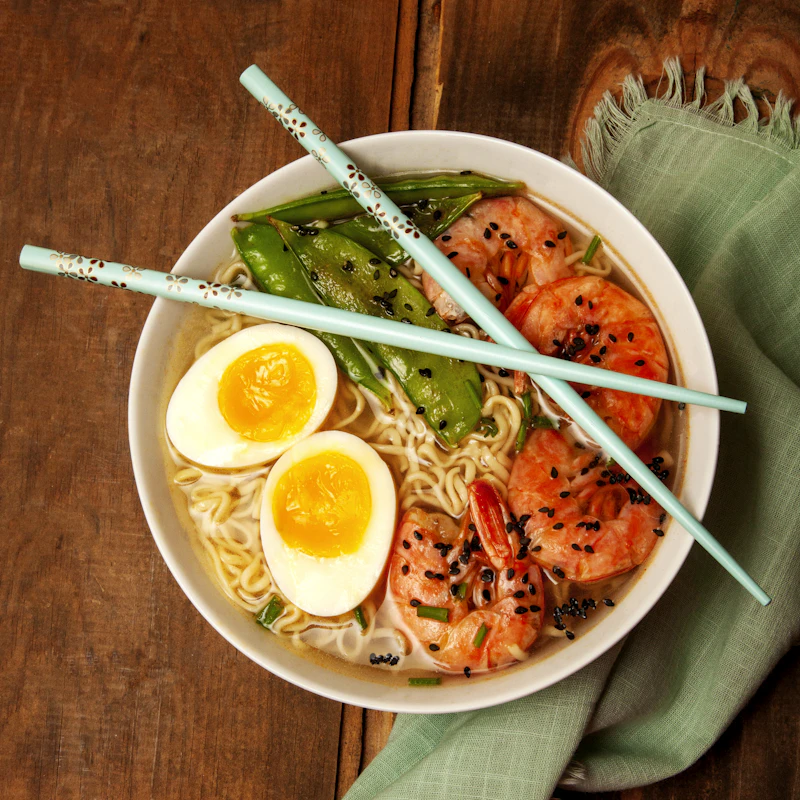
Few travel experiences are as consistently excellent as a Japanese hotel breakfast. These morning meals are not afterthoughts or hassles tolerated before business meetings; they're culinary experiences worthy of deliberate appreciation and, frankly, part of why you should prioritize hotels with breakfast included when booking accommodations in Japan.
A typical Japanese hotel breakfast operates on principles foreign to Western continental traditions. Rather than the croissant-coffee-orange juice model, or even American bacon-and-eggs abundance, Japanese hotel breakfasts represent a different philosophy: variety, balance, seasonality, and respect for the meal's importance in starting the day right. The result is almost universally excellent—even mid-range hotel breakfasts often exceed what you'd pay for at standalone restaurants, and high-end properties serve spreads that rival fine dining institutions.
Understanding the Philosophy Behind Japanese Breakfast
Japanese breakfast culture, called asagohan (朝ご飯), values balance above abundance. The traditional meal consists of a bowl of steamed white rice, miso soup, grilled fish (often mackerel or salmon), pickled vegetables, nori (seaweed), and perhaps a raw egg for cooking into the rice. This isn't random; it represents nutritional completeness and morning satisfaction.
Modern Japanese people still embrace elements of this structure despite busier lifestyles. Even quick convenience store breakfasts follow the pattern: rice, protein, soup, pickles, tea. Hotel breakfasts elaborate this template into stunning diversity while maintaining underlying balance.
The philosophy values:
Variety over volume: Rather than enormous portions of single items, breadth of selections ensuring everyone finds adequate nutrition. A typical spread might offer eight proteins, six side dishes, four soups, six bread options, and multiple desserts—not to overeat, but to suit preferences.
Seasonality: Ingredients change with seasons. Spring brings fresh vegetables and light dishes; autumn emphasizes rich, warming preparations. Observing this progression across multiple breakfasts reveals the Japanese culinary calendar.
Quality over quantity: Each item receives care. Rice is perfectly steamed; fish is properly grilled; pickles maintain proper acidity balance. Rather than rushing volume production, time and attention apply to each element.
Nutrition and balance: The meal should provide sustained energy. Proteins, carbohydrates, vegetables, fermented foods (miso soup, pickles), and fruits all appear, creating meals that satisfy both appetite and nutritional requirements.
What to Expect: The Standard Japanese Hotel Breakfast
A typical mid-range Japanese hotel breakfast (and certainly high-end properties) includes:
Rice station: Perfectly steamed white rice, often Japanese short-grain premium varieties. Multiple rice options might include brown rice, sushi rice, or mixed-grain alternatives. The rice is the foundation; everything else accompanies it.
Grilled fish: Usually mackerel (saba), salmon, or white fish, perfectly grilled so skin crisps while flesh remains moist. One of the meal's highlights. Some hotels offer two or three fish options daily.
Soups: Miso soup is standard, often made fresh daily with varying vegetables and tofu. Additionally, you might find clear soups, vegetable broths, or more elaborate options. Tea often accompanies soup as traditional pairing.
Proteins beyond fish: Grilled chicken, sometimes thinly sliced pork, occasionally beef. Quality varies; higher-end hotels feature premium proteins. Some offer tamago (egg) dishes: rolled omelets, scrambled eggs, soft-boiled options.
Pickled vegetables and sides: Tsukemono (pickles), steamed vegetables, seaweed preparations, natto (fermented soybeans—challenging for first-timers but nutritious), and seasonal vegetables. This section reveals regional specialties and seasonal awareness.
Salad and fresh vegetables: Raw vegetables, sometimes with dressing options. Quality vegetables reflect Japan's agricultural standards; freshness is exceptional.
Bread and pastries: While rice is primary, bread options accommodate international guests and preferences. Croissants, toast, pastries, and sometimes regional bread specialties appear.
Dairy and beverages: Yogurt (often high-quality), milk, fresh juice (sometimes fresh-squeezed), coffee, tea varieties. Hot water available for personal tea bags.
Fresh fruit: Seasonal fruits, often exceptional quality. Strawberries in spring, melon in summer, persimmons and grapes in autumn. Japanese fruit standards ensure superior taste.
Nori and condiments: Sheets of seaweed (nori) for wrapping rice, umeboshi (pickled plums), soy sauce, and sometimes minced ginger or wasabi.
Desserts and sweets: Pastries, sometimes seasonal sweets, occasionally fresh fruit preparations. These are light finishes rather than heavy indulgences.
The meal functions: rice as carbohydrate foundation, fish/protein for satiety, soup for warmth and nutrition, vegetables and pickles for vitamins and probiotics, bread and fruit for alternatives and sweetness. It sounds like specific structure, but the variety ensures satisfaction across preferences.
Regional Variations: How Location Changes Breakfast
Japanese hotel breakfasts reflect regional culinary identities:
Hokkaido (Northern Island): Seafood emphasis. Salmon, crab, scallops, and other northern catches appear prominently. Fresh milk products from Hokkaido's dairy industry. Heartier, warming preparations reflecting climate.
Kyoto and historical areas: Traditional preparations, historical recipes, more elaborate presentations. Kyoto breakfasts sometimes feature kaiseki-inspired elements or regional specialties like tsukemono (pickled vegetables) from local suppliers.
Okinawa: Unique preparations reflecting island culture. Goya (bitter melon), tropical fruits, and Okinawan proteins like Agu pork. Distinct flavor profiles from mainland Japan.
Coastal regions: Exceptional fresh fish, seaweed varieties, fresh seafood preparations. Quality particularly high in fishing communities.
Mountain regions (Japanese Alps, etc.): Mountain vegetables, local grains, possibly local dairy. Preparation emphasizes regional agriculture.
Staying in multiple regions reveals how breakfast reflects local identity and available ingredients. Kyoto breakfast differs fundamentally from Hokkaido, which differs from Okinawa—not just in variety but in culinary philosophy and ingredient emphasis.
Time and Experience: Making the Most of Japanese Breakfast
Most hotels offer breakfast during specific windows (typically 6:30-9:30 AM or 7:00-10:00 AM). Arriving early (by 7:30 AM) allows leisurely exploration without crowds. This timing also means you finish eating when energy is naturally highest.
Approach breakfast as experience rather than task. Sit down. Pour tea. Take rice. Sample the fish. Try unfamiliar items (natto is scary to first-timers, but it's nutritious and an acquired taste worth pursuing). Notice seasonal specialties. Many Japanese travelers spend 30-45 minutes at breakfast, not rushing to finish.
Quality observation: Notice how differently you feel after a Japanese breakfast versus continental options. The balance, the warmth, the nutritional completeness, the protein satiety—Japanese breakfast creates lasting morning energy.
Photography is generally acceptable in hotel breakfast areas. Documenting what you eat is enjoyable and helps remember dishes worth seeking elsewhere.
The Economics: Why Breakfast Inclusion Matters
Breakfast is often included with hotel bookings or available for add-on rates (¥2,000-¥4,000 per person). Comparing equivalent meals at standalone restaurants, paying ¥3,000 per person saves money while offering superior quality and variety. Add breakfast to your hotel booking when possible.
Budget hotels (¥5,000-¥10,000/night) provide adequate, balanced breakfasts. Mid-range hotels (¥10,000-¥30,000) offer excellent selections with quality emphasis. High-end properties (¥30,000+) provide memorable culinary experiences sometimes comparable to fine dining breakfast service.
The math often works out: breakfast at mid-range hotel (¥2,500 value) plus hotel stay comes in cheaper than no-breakfast bookings plus separate breakfast purchases at restaurants or cafes.
Specialized Breakfast Experiences
Some hotels and traditional ryokan create breakfast as destination experience:
Kaiseki breakfasts: High-end properties or ryokan prepare multi-course breakfast similar to evening kaiseki (traditional haute cuisine). These are exceptional but expensive (¥5,000-¥10,000+ per person).
Shojin ryori breakfasts: Buddhist temple cuisine vegetarian preparations, available at temple stays or specialized ryokan. Artfully presented, deeply flavorful despite lack of meat.
Seasonal specialty breakfasts: Some properties emphasize current-season ingredients in special preparations available during specific periods.
Interactive breakfasts: Rare but occasionally available, where chefs prepare portions before you or explain preparation methods.
Tips for Maximizing Your Japanese Breakfast
Learn key words: "Oishii" (delicious), "itadakimasu" (polite phrase before eating), "gochisoousama" (grateful thanks after eating). Using these shows respect and often earns smiles from hotel staff.
Ask about items: Staff enjoy explaining dishes. "What is this?" in simple English usually gets enthusiastic explanation.
Try one new item daily: Don't retreat into familiar favorites if you're uncomfortable with Japanese food. Each breakfast, sample one unfamiliar preparation. You'll likely enjoy most.
Take photos early: Breakfast spreads look best before crowds serve themselves. Photograph undisturbed displays if that interests you.
Pair items creatively: Experiment with combinations not traditional in Japanese meals. Will grilled fish work with the pastry? What about nori with scrambled eggs? Breakfast is low-stakes experimentation space.
Return to favorites: If something is exceptional, go back for second portions. Staff don't mind and appreciate your appreciation.
Ask about special items: Sometimes hotels prepare additional items not always on display. Asking "Anything special this morning?" might reveal hidden gems.
Dealing with Unfamiliar Items
Nattō (fermented soybeans): Stringy, strong-smelling, acquired taste. Mix with soy sauce and eat over rice. Many first-timers dislike it; some become fans. Worth trying once.
Raw egg: Japanese hotels sometimes offer raw egg (tamago) for cooking into hot rice. The heat cooks it safely. It's delicious if you're comfortable with raw eggs; skip if squeamish.
Pickled vegetables (tsukemono): Intensely flavored, sometimes very salty or sour. Small portions work; they're condiments not main dishes. Pairs excellently with rice.
Seaweed varieties: Different preparations—some soft, some crispy, some salty, some subtle. Experiment without committing to full portions.
Grilled fish with bones: Some fish retain fine bones. Eat around them; it's normal. Larger bones are removed; tiny ones you can consume harmlessly.
Finding the Best Hotel Breakfasts
Hotel review sites often highlight breakfast quality specifically. Check reviews for "breakfast" mentions before booking. Properties that emphasize breakfast quality typically invest in ingredients and preparation.
Higher-end properties (¥20,000+/night) virtually guarantee excellent breakfast. Mid-range hotels (¥12,000-¥20,000) often provide surprising quality. Budget properties (¥6,000-¥12,000) offer solid, balanced meals but less variety and creativity.
Ryokan traditionally includes breakfast; it's one reason ryokan stays, despite higher nightly costs, offer good value. Breakfast alone might justify the price differential over standard hotels.
Japanese Breakfast as Cultural Experience
Eating a traditional Japanese breakfast becomes act of cultural participation. You're not just consuming nutrition; you're experiencing how Japanese people actually eat, the seasonality they observe, the balance they prioritize, and the care that extends even to routine daily meals.
Over a multi-week Japan trip, experiencing breakfasts across regions reveals culinary geography—how Hokkaido differs from Kyoto, how mountains eat differently from coasts, how seasonality shapes daily life. This layer of understanding transforms breakfast from pleasant meal into cultural insight.
Japanese breakfasts also highlight something important: the meal's beginning-of-day importance in Japanese culture. Breakfast isn't rushed, skipped, or treated as convenience. It's central to a balanced day. Participating in this philosophy—actually taking 30 minutes for breakfast rather than grabbing coffee and rushing—creates better travel experiences and occasionally carries into post-travel habits.
For this reason alone, prioritizing hotels with breakfast included isn't just economical; it's cultural investment.
Last updated: May 2025. Information verified for the current travel season.
How to Plan Your Hotel Breakfast: The Best Morning Spread in the World Trip: Step-by-Step Guide
As of 2025, Japan is more accessible than ever for independent travelers. Here's how to plan a seamless hotel breakfast: the best morning spread in the world experience.
- Decide your dates: Check seasonal conditions, festivals, and peak tourist periods for your destination. Japan's Golden Week (late April–early May) and Obon (mid-August) are the busiest — book 3–4 months ahead if traveling then.
- Book accommodation early: Quality ryokan, budget guesthouses, and city hotels in popular areas sell out fast. Book on Booking.com, Jalan, or Rakuten Travel 2–3 months in advance. Expect ¥8,000–¥25,000 ($55–$172 USD) per night for mid-range options.
- Plan your JR Pass usage: If traveling between multiple regions, a JR Pass (7-day: ¥50,000 / $345 USD; 14-day: ¥80,000 / $552 USD) may save money over individual Shinkansen tickets. Calculate your routes before purchasing.
- Download key apps: Google Maps (offline maps), Google Translate (camera translation mode), HyperDia (train schedules), and Tabelog (restaurant reviews in English) are essential for smooth travel.
- Get cash ready: Japan remains largely cash-based outside major tourist areas. Withdraw ¥30,000–¥50,000 ($200–$345 USD) at 7-Eleven or Japan Post ATMs (both reliably accept foreign cards) on arrival.
- Learn 10 key phrases: "Sumimasen" (excuse me), "arigatou gozaimasu" (thank you), "eigo wa hanasemasu ka?" (do you speak English?), and basic food allergy phrases go a long way toward smooth interactions.
- Build in flexibility: Japan rewards spontaneity. Leave at least 20% of each day unscheduled for serendipitous discoveries — a tiny ramen shop with a line outside, a festival you didn't know was on, or a neighborhood you stumbled into.
FAQ: Hotel Breakfast: The Best Morning Spread in the World
When is the best time to visit for hotel breakfast: the best morning spread in the world in Japan?
As of 2025, Japan's best travel windows depend on your priorities. Spring (late March–early May) offers cherry blossoms and mild weather but peak crowds. Autumn (October–November) brings spectacular foliage with fewer tourists than spring. Summer (June–August) is hot and humid but rich with festivals. Winter (December–February) is cold but offers snow scenery, fewer crowds, and lower accommodation prices outside ski resorts.
How much should I budget per day in Japan?
Budget travelers spending ¥6,000–¥10,000 ($41–$69 USD) per day can eat well at convenience stores and local restaurants, use public transport, and stay in hostels or budget guesthouses. Mid-range travelers spending ¥15,000–¥30,000 ($103–$207 USD) enjoy comfortable hotels, full restaurant meals, and museum admissions. Luxury travelers spending ¥50,000+ ($345 USD) can access ryokan, kaiseki dining, and premium experiences.
Do I need to speak Japanese to enjoy this experience?
English proficiency among younger Japanese has improved significantly. As of 2025, major tourist sites, hotels, and restaurants in cities typically have English menus and signage. Google Translate's camera function handles most written Japanese on the fly. Learning 10–20 basic phrases dramatically improves interactions in less-touristed areas. Japan's culture of hospitality (omotenashi) means locals will go out of their way to help even with limited shared language.
Is Japan safe for solo travelers and tourists?
Japan consistently ranks among the world's safest countries for travelers. Violent crime against tourists is extremely rare. Lost wallets and belongings are frequently turned in to police boxes (koban). Solo female travelers routinely report feeling safer in Japan than anywhere else they've visited. Standard travel precautions apply — keep copies of important documents and be aware of your surroundings in busy entertainment districts late at night.
What is the easiest way to get around Japan?
Japan's public transport system is the world's most reliable and comprehensive. The JR Pass offers unlimited Shinkansen and limited express train travel (7-day: ¥50,000 / $345 USD; 14-day: ¥80,000 / $552 USD). IC cards (Suica, Pasmo) cover all city subways, buses, and many taxis. For rural areas, rental cars provide freedom — international driving permits are accepted and roads are well-signed in both Japanese and Roman characters.
What should I pack for this experience in Japan?
Essential items: IC transport card (load on arrival), pocket wifi or SIM card (reserve online before departure for ¥500–¥1,000 / $3.50–$7 USD per day), comfortable walking shoes (expect 15,000–25,000 steps daily), small cash reserve in yen (many small shops and vending machines are cash-only), and a compact umbrella (Japan's weather changes quickly). Leave bulky luggage at your hotel and use takkyubin (luggage forwarding services, ¥1,500–¥2,500 / $10–$17 USD per bag) to travel between cities unencumbered.