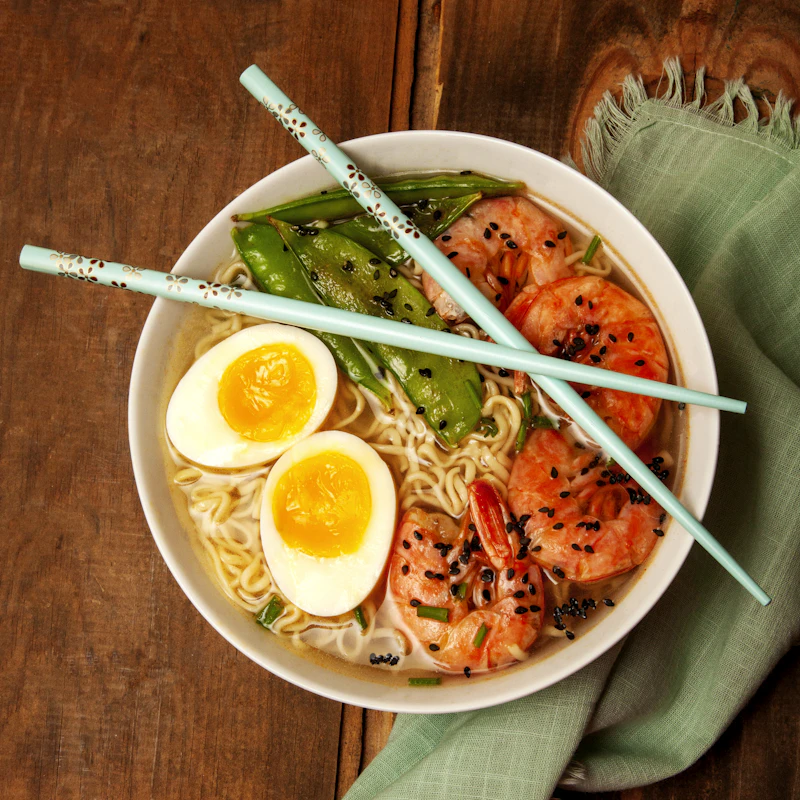
Japanese Eggs: Why They Taste Different and How to Eat Them Like a Local
Japanese eggs taste measurably different from Western eggs—richer, with deeper yolk flavor and creamier texture—due to strict agricultural standards, superior chicken feed, and rigorous quality controls that make Japanese eggs among the world's finest. The yolk color is golden-orange rather than pale yellow, indicating higher nutrient density. The flavor difference is immediately apparent when tasting raw eggs or soft-boiled preparations where yolk quality defines the dish. Japan's egg culture treats eggs as premium ingredient worthy of respect, not merely breakfast commodity. This philosophy manifests in specialized dishes (tamagoyaki rolled omelets, tamago gohan raw egg over rice, onsen tamago poached eggs) and the practice of eating raw eggs routinely—something unthinkable in most Western countries due to salmonella risk. Japanese eggs achieve this safety through vaccination of laying hens, strict farm hygiene protocols, and careful temperature control throughout the supply chain. This comprehensive guide explains why Japanese eggs taste superior, explores major egg dishes and how to eat them properly, covers regional egg culture variations, and provides practical advice for experiencing Japanese egg cuisine authentically. For food enthusiasts, understanding Japanese eggs provides insight into how Japanese culture applies quality obsession and attention to detail across all aspects of life.
Why Japanese Eggs Are Superior: The Science and Standards
Agricultural Standards and Certification
Japan's egg industry maintains some of the world's strictest agricultural standards. Laying hens must be housed in facilities meeting specific space, ventilation, and lighting requirements. Farmers regularly test for salmonella and other pathogens. Feed contains specific ingredients chosen for yolk flavor—chickens eating superior feed produce superior eggs. Additionally, Japanese eggs are graded by freshness: eggs under 10 days old are marked "生食用" (suitable for raw consumption), older eggs are "加熱用" (for cooking only). This transparency allows consumers to purchase eggs specifically for raw consumption. The grading system is visible on egg cartons at supermarkets—consumers can see exact packaging date and freshness grade.
Salmonella Prevention and Safety
Japanese farms use several strategies to prevent salmonella: vaccinating laying hens against salmonella, maintaining strict hygiene in facilities, controlling temperature throughout supply chain (eggs remain refrigerated from collection through retail), and rapid egg turnover ensuring no eggs sit in storage for extended periods. The combination of vaccination, hygiene, and rapid distribution makes Japanese eggs extraordinarily safe for raw consumption. Japanese people have eaten raw eggs daily for centuries without widespread salmonella outbreaks—the safety record speaks for itself.
Taste Differences Explained
Japanese eggs taste richer and creamier than Western eggs due to superior chicken feed and breed selection. Chickens receiving feed with higher omega-3 content, specific proteins, and mineral balance produce yolks with better taste. Additionally, smaller, more stressed chickens produce inferior-tasting eggs—Japanese farmers prioritize chicken welfare because it improves egg quality. The yolk's golden-orange color indicates higher levels of carotenoid pigments from feed, which correlates with nutritional density and flavor intensity. Comparative tasting between Japanese and Western eggs reveals immediate differences—Japanese yolks are noticeably creamier, richer, and more flavorful.
Major Japanese Egg Dishes and How to Eat Them
Tamago Gohan (Raw Egg Over Rice)
This simplest Japanese egg dish represents the pinnacle of ingredient appreciation—perfectly fresh rice topped with a raw egg, mixed with soy sauce and optional nori (seaweed). The technique requires only seconds of preparation: crack fresh egg over steaming rice (heat cooks the egg slightly, creating creamy consistency), add soy sauce (approximately 1 tablespoon / 15 ml), tear nori sheet into pieces and mix, and eat immediately. The egg's creamy yolk combines with the rice's subtle sweetness, creating umami-rich dish that tastes far more complex than its simplicity suggests. This dish is eaten at breakfast (often with miso soup and pickles completing the meal) or as simple dinner when main ingredients are unavailable.
Cost at restaurants: ¥300-¥600 ($2.07-$4.14) per bowl. At ryokans, it's often included free as a rice accompaniment. The dish requires absolutely fresh eggs—purchase eggs from Japanese supermarkets dated within the past week if preparing at home. Never prepare tamago gohan with old eggs or eggs of uncertain quality.
Tamagoyaki (Rolled Omelet)
Tamagoyaki is a rectangular rolled omelet cooked in a specialized square pan (tamagoyaki pan, ¥2,000-¥8,000 / $13.80-$55.20 for quality versions). The cook layers thin sheets of beaten egg, repeatedly rolling and folding to create a compact rectangle. When sliced, the roll reveals beautiful spiral layers. The technique requires practice—unevenness, tears, or poor texture indicate amateur preparation. Quality tamagoyaki has tender, slightly sweet character (often seasoned with sugar, sake, and salt) without rubbery texture.
Tamagoyaki variations include: sweet style (akui tamagoyaki, common in Osaka and Kyoto with sugar and sake), savory style (simple salt, common in Tokyo and eastern Japan), and dashi-style (with subtle broth flavor). A single slice costs ¥300-¥600 ($2.07-$4.14) at restaurants or breakfast shops. Homemade tamagoyaki is achievable with practice—a tamagoyaki pan, eggs, and basic seasoning (sugar, soy sauce, salt) are sufficient. YouTube tutorials demonstrate proper rolling technique.
Onsen Tamago (Poached Egg)
Onsen tamago is egg poached in hot water (typically 65-70°C / 149-158°F) for 12-18 minutes, creating a delicate, barely-set white with creamy yolk. The technique is deceivingly difficult—precise temperature control and timing are critical. The result should have custard-like consistency, not firm texture. Traditional preparation involved actually cooking eggs in hot spring water (onsen)—hence the name. Modern versions use water baths with precise temperature control.
Cost at restaurants: ¥400-¥800 ($2.76-$5.50) per egg. Home preparation requires thermometer and patience. The egg is typically served with dipping sauce (mentsuyu—noodle sauce, or soy-based sauce), nori, and green onion. The preparation emphasizes egg quality—inferior eggs taste inadequate when preparation is so minimalist.
Ajitsuke Tamago (Marinated Eggs)
Hard-boiled eggs marinated in soy sauce, mirin, and dashi for 24 hours, creating deeply flavorful, salty-sweet eggs suitable for bento boxes or standalone appetizer. The marinade penetrates the white while the yolk remains creamy-centered. Homemade preparation is simple: boil eggs 6 minutes (soft-centered yolk), cool immediately in ice water, peel gently, then marinate in sauce (equal parts soy sauce and mirin, 1 teaspoon dashi powder per 100 ml liquid) overnight. A single marinated egg costs ¥200-¥400 ($1.38-$2.76) at restaurants or convenience stores. Homemade versions cost approximately ¥50-¥100 ($0.35-$0.69) per egg including ingredients.
Tamago Sando (Egg Salad Sandwich)
Japanese egg salad sandwiches are simple: hard-boiled eggs mixed with mayo, salt, and subtle seasoning between soft white bread. Quality depends entirely on egg quality—superior eggs create superior sandwiches. Famous shops include "Ginza Tamago" (Ginza district, ¥1,500-¥2,500 / $10.35-$17.25 per sandwich) and various department store food halls. The sandwich is portable, affordable, and demonstrates how Japanese approach basic food with quality obsession.
Sukiyaki Dipping: Raw Egg Important Role
In sukiyaki (hot pot with beef and vegetables), diners dip cooked meat and vegetables into raw egg before eating. The raw egg coats the hot food, partially cooking and creating creamy sauce. This technique requires premium-quality eggs—the raw consumption is essential to the dish. Eating sukiyaki without the raw egg dipping is incomplete experience. Cost: sukiyaki meals typically ¥3,000-¥8,000 ($20.70-$55.20) per person.
Gyudon Topped Egg: Raw Egg Over Beef Rice
Gyudon (beef rice bowl) is often served with raw egg on top, which diners mix in before eating. The creamy yolk creates sauce coating the beef and rice. Cost: ¥700-¥1,200 ($4.83-$8.28) for quality gyudon with egg. The raw egg is not optional—it completes the dish conceptually and flavorfully.
Egg Quality Grades and How to Purchase
Reading Japanese Egg Cartons
Japanese eggs are labeled with freshness grades visible on the carton. Key markings: "生食用" (raw consumption suitable), "加熱調理用" (cooking only, not for raw consumption), packaging date (in YYYYMMDD format), and expiration date (typically 3-4 weeks after packaging). Eggs marked "生食用" are appropriate for raw consumption; others should only be cooked. The packaging date is critical—fresher is dramatically better. Never purchase eggs without visible date labels.
Premium Egg Varieties and Price Differences
- Standard eggs (普通卵): ¥250-¥350 per 10-count carton ($1.72-$2.41), acceptable quality
- Premium eggs (卵): ¥400-¥600 per 10-count ($2.76-$4.14), noticeably better taste and color
- Elite eggs (特選卵): ¥800-¥1,500 per 10-count ($5.50-$10.35), superior chickens, exceptional feed, outstanding flavor
- Heritage breed eggs (古い品種): ¥2,000-¥4,000 per 6-count ($13.80-$27.60), rare breeds, exceptionally rich flavor
For raw consumption (tamago gohan, sukiyaki dipping), premium or elite eggs are worthwhile investment. For cooking, standard eggs are adequate. Japanese supermarkets clearly differentiate grades—premium eggs are usually displayed separately with higher pricing.
Where to Purchase Premium Eggs
All Japanese supermarkets stock eggs. Department store food halls (depachika) feature premium eggs at higher prices (¥1,000-¥3,000 / $6.90-$20.70 per carton). Farmer's markets (occasional in cities, regular in rural areas) offer fresh farm eggs (¥500-¥1,200 / $3.45-$8.28). Convenience stores (7-Eleven, FamilyMart) stock standard eggs reliably but limited premium selection. For visiting travelers, supermarket purchase is most practical option—quality is reliable and prices are fair.
Egg Culture by Region
Kyoto Egg Culture: Refined Simplicity
Kyoto's egg culture emphasizes elegant simplicity. Tamagoyaki in Kyoto style is sweeter than eastern Japan (higher sugar content, some recipes include dashi broth). Kyoto-style tamagoyaki is more refined and less common in other regions. Restaurants serving Kyoto breakfast feature prominent tamagoyaki role. Kyoto's association with traditional cuisine means egg dishes here receive particular attention to technique and quality.
Osaka Egg Culture: Bold Sweetness
Osaka's tamagoyaki is distinctly sweet (akui tamagoyaki)—sugar content is higher than other regions. This sweetness is intentional and celebrated—Osaka residents prefer it this way. Osaka's okonomiyaki (savory pancake) often includes tamagoyaki layer, emphasizing eggs as key ingredient. The regional variation in sweetness preference reveals how Japanese food culture develops distinct regional styles for identical dishes.
Tokyo Egg Culture: Purity and Precision
Tokyo's tamagoyaki is typically savory (salt and soy sauce only, no sugar), emphasizing pure egg flavor rather than sweetness. This reflects Tokyo's preference for restraint and allowing ingredient quality to shine. Tamagoyaki in Tokyo breakfasts are prized for technique—even thickness, clean layers, perfect texture. The simplicity demands superior skill.
Hiroshima Egg Culture: Okonomiyaki Integration
Hiroshima-style okonomiyaki traditionally includes an egg layer, creating distinct textural element. The egg cooks on the flat griddle, developing slightly crispy edges while remaining creamy-centered. This integration of egg into the larger dish reflects Hiroshima's okonomiyaki-centered food culture.
Egg-Focused Restaurants and Experiences
Dedicated Egg Breakfast Restaurants (Tamagokake Gohan Senmon-ten)
Several restaurants specialize exclusively in tamagoyaki, tamago gohan, and egg-forward dishes. "Tamago no Kakeya" (multiple locations in Tokyo, ¥800-¥1,500 / $5.50-$10.35 per meal) offers various tamago gohan styles with different rice types and sauce variations. "Ginza Tamago" (upscale egg sandwich specialist, ¥2,500-¥3,500 / $17.25-$24.15 per meal) focuses on refined egg preparations. These specialized restaurants emphasize ingredient quality and technique, attracting food enthusiasts.
Ryokan Breakfast Egg Components
Ryokan (Japanese inn) breakfasts consistently feature excellent tamagoyaki as part of the multi-course meal. The quality is noticeably superior to casual restaurant versions. Budget ryokans (¥5,000-¥10,000 / $34.50-$69 per night) still include respectable tamagoyaki, while luxury ryokans (¥20,000-¥50,000+ / $138-$345+) feature exceptional examples. Experiencing tamagoyaki at quality ryokan demonstrates why Japanese treat eggs with reverence.
Practical Egg Consumption Tips for Visitors
Is Raw Egg Consumption Safe for Visitors?
Yes, Japanese eggs are exceptionally safe for raw consumption due to the strict standards discussed earlier. However, if you have any concerns about food safety, compromised immunity, or are pregnant, consult your doctor. Additionally, some visitors prefer avoiding raw egg on psychological grounds regardless of safety—this is acceptable. Most dishes (tamagoyaki, cooked eggs, onsen tamago) don't require raw consumption, providing alternatives.
Egg Allergies and Dietary Restrictions
Egg allergies are manageable in Japan. Inform restaurant staff: "Tamago arerugī desu" (I have an egg allergy). Most restaurants can accommodate by removing egg components or providing egg-free alternatives. However, some dishes are defined by eggs (tamago gohan, tamagoyaki)—these are impossible to modify without changing the fundamental dish. Planning around allergies requires communication and flexibility.
Bringing Eggs Home as Souvenirs
Fresh eggs are difficult transport souvenirs due to fragility and perishability. Premium eggs are packaged in sturdy cardboard cartons, which provide some protection. If traveling by plane, pack eggs in checked luggage surrounded by clothing for cushioning. Eggs typically remain edible for 2-3 weeks if kept cool, so within 1-week travel duration, eggs are feasible souvenirs. However, dried egg products (powdered eggs for baking) are easier souvenirs (¥1,500-¥3,000 / $10.35-$20.70).
FAQ: Japanese Egg Questions
Why do Japanese people eat raw eggs when Western countries consider it unsafe?
The difference is safety standards, not biological possibility. Western eggs from most countries are not produced with salmonella prevention protocols—vaccinating hens, controlling temperature, rapid distribution are not standard. Japanese eggs follow these strict protocols, making raw consumption safe. The practice isn't culturally unique—wealthy Western regions with strict egg production standards also safely consume raw eggs. The difference is production standards, not cultural fearlessness. Japanese approach eggs as premium ingredient worthy of investment in quality—this investment includes safety measures that enable raw consumption.
How much do premium eggs cost compared to Western eggs?
Japanese premium eggs cost ¥800-¥1,500 per 10-count ($5.50-$10.35), approximately ¥80-¥150 per egg ($0.55-$1.03). Western eggs cost approximately $0.30-$0.50 per egg. Japanese eggs are 2-3 times more expensive, reflecting higher production standards, superior feed, and rigorous quality control. However, Japanese people consider this premium justified by flavor difference and quality superiority. The cost difference is manageable in context of overall Japanese food pricing—eggs are luxury ingredient in Japan, not everyday commodity.
Can I taste difference between Japanese and Western eggs?
Yes, absolutely. A side-by-side tasting reveals immediate differences: Japanese yolk color is deeper golden-orange, texture is creamier, flavor is richer and more complex. This is especially apparent in raw or minimally-prepared presentations (tamago gohan, tamagoyaki) where egg quality is the focus. Even casual tasters notice the difference. Food enthusiasts often find this one of the most dramatic quality differences between Japanese and Western products.
Should I eat raw eggs as a visitor if I'm uncomfortable?
Absolutely not. Many visitors are uncomfortable with raw egg consumption regardless of safety—this is perfectly acceptable. Most egg dishes have cooked alternatives: tamagoyaki (rolled omelet), onsen tamago (poached), ajitsuke tamago (marinated). You can experience Japanese egg culture through these dishes. The raw consumption is optional, not required. Comfort level is more important than culinary completeness.
Are Japanese eggs definitively better than European or other premium eggs?
Japanese eggs are superior to typical Western eggs (standard grocery store eggs), but comparable to premium European eggs from similar production standards. Switzerland, the Netherlands, and parts of Scandinavia produce eggs meeting similar standards, resulting in comparable quality. The difference is more about production standards than Japanese uniqueness. However, Japan's ubiquitous quality (even standard eggs are better than typical Western eggs) makes the average experience superior.
Last updated: May 2025. Information verified for the current travel season.
How to Plan Your Eggs: Why They Taste Different and How to Eat Them Like a Local Trip: Step-by-Step Guide
As of 2025, Japan is more accessible than ever for independent travelers. Here's how to plan a seamless eggs: why they taste different and how to eat them like a local experience.
- Decide your dates: Check seasonal conditions, festivals, and peak tourist periods for your destination. Japan's Golden Week (late April–early May) and Obon (mid-August) are the busiest — book 3–4 months ahead if traveling then.
- Book accommodation early: Quality ryokan, budget guesthouses, and city hotels in popular areas sell out fast. Book on Booking.com, Jalan, or Rakuten Travel 2–3 months in advance. Expect ¥8,000–¥25,000 ($55–$172 USD) per night for mid-range options.
- Plan your JR Pass usage: If traveling between multiple regions, a JR Pass (7-day: ¥50,000 / $345 USD; 14-day: ¥80,000 / $552 USD) may save money over individual Shinkansen tickets. Calculate your routes before purchasing.
- Download key apps: Google Maps (offline maps), Google Translate (camera translation mode), HyperDia (train schedules), and Tabelog (restaurant reviews in English) are essential for smooth travel.
- Get cash ready: Japan remains largely cash-based outside major tourist areas. Withdraw ¥30,000–¥50,000 ($200–$345 USD) at 7-Eleven or Japan Post ATMs (both reliably accept foreign cards) on arrival.
- Learn 10 key phrases: "Sumimasen" (excuse me), "arigatou gozaimasu" (thank you), "eigo wa hanasemasu ka?" (do you speak English?), and basic food allergy phrases go a long way toward smooth interactions.
- Build in flexibility: Japan rewards spontaneity. Leave at least 20% of each day unscheduled for serendipitous discoveries — a tiny ramen shop with a line outside, a festival you didn't know was on, or a neighborhood you stumbled into.
FAQ: Eggs: Why They Taste Different and How to Eat Them Like a Local
When is the best time to visit for eggs: why they taste different and how to eat them like a local in Japan?
As of 2025, Japan's best travel windows depend on your priorities. Spring (late March–early May) offers cherry blossoms and mild weather but peak crowds. Autumn (October–November) brings spectacular foliage with fewer tourists than spring. Summer (June–August) is hot and humid but rich with festivals. Winter (December–February) is cold but offers snow scenery, fewer crowds, and lower accommodation prices outside ski resorts.
How much should I budget per day in Japan?
Budget travelers spending ¥6,000–¥10,000 ($41–$69 USD) per day can eat well at convenience stores and local restaurants, use public transport, and stay in hostels or budget guesthouses. Mid-range travelers spending ¥15,000–¥30,000 ($103–$207 USD) enjoy comfortable hotels, full restaurant meals, and museum admissions. Luxury travelers spending ¥50,000+ ($345 USD) can access ryokan, kaiseki dining, and premium experiences.
Do I need to speak Japanese to enjoy this experience?
English proficiency among younger Japanese has improved significantly. As of 2025, major tourist sites, hotels, and restaurants in cities typically have English menus and signage. Google Translate's camera function handles most written Japanese on the fly. Learning 10–20 basic phrases dramatically improves interactions in less-touristed areas. Japan's culture of hospitality (omotenashi) means locals will go out of their way to help even with limited shared language.
Is Japan safe for solo travelers and tourists?
Japan consistently ranks among the world's safest countries for travelers. Violent crime against tourists is extremely rare. Lost wallets and belongings are frequently turned in to police boxes (koban). Solo female travelers routinely report feeling safer in Japan than anywhere else they've visited. Standard travel precautions apply — keep copies of important documents and be aware of your surroundings in busy entertainment districts late at night.
What is the easiest way to get around Japan?
Japan's public transport system is the world's most reliable and comprehensive. The JR Pass offers unlimited Shinkansen and limited express train travel (7-day: ¥50,000 / $345 USD; 14-day: ¥80,000 / $552 USD). IC cards (Suica, Pasmo) cover all city subways, buses, and many taxis. For rural areas, rental cars provide freedom — international driving permits are accepted and roads are well-signed in both Japanese and Roman characters.
What should I pack for this experience in Japan?
Essential items: IC transport card (load on arrival), pocket wifi or SIM card (reserve online before departure for ¥500–¥1,000 / $3.50–$7 USD per day), comfortable walking shoes (expect 15,000–25,000 steps daily), small cash reserve in yen (many small shops and vending machines are cash-only), and a compact umbrella (Japan's weather changes quickly). Leave bulky luggage at your hotel and use takkyubin (luggage forwarding services, ¥1,500–¥2,500 / $10–$17 USD per bag) to travel between cities unencumbered.