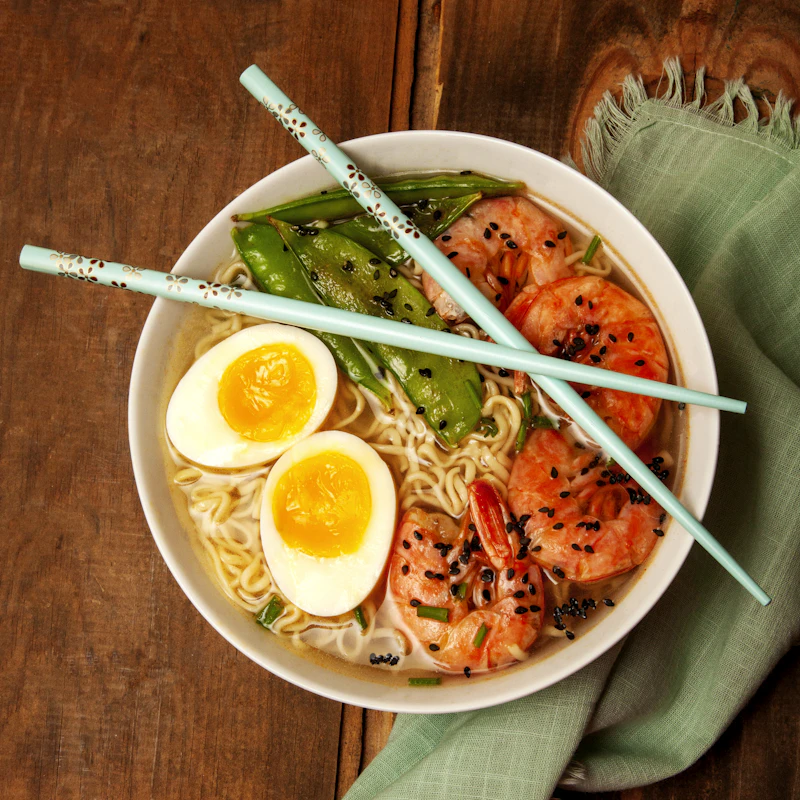
Few dining experiences encapsulate Japanese communal food culture quite like nabe (hot pot). A simmering broth centered on the table, raw ingredients served on individual plates, diners cooking their own selections in the shared broth—nabe is simultaneously practical (efficient cooking, nutritious meal components) and socially essential. The dish's structure naturally encourages conversation, shared experience, and collective meal construction. Watching hesitant friends transform through nabe's warmth and intimacy reveals something fundamental about Japanese food culture's social dimensions.
Nabe is primarily autumn and winter food, when the dish's warmth and comforting qualities align with seasonal needs. During cold months, nabe restaurants fill with families, friends, and colleagues seeking the dish's physical and emotional nourishment. Understanding nabe—its regional variations, proper preparation methods, and cultural significance—provides access to Japanese communal dining at its finest.
Nabe History and Evolution
Nabe emerged during Japan's medieval and early modern periods, likely developing from earlier one-pot cooking methods. The dish gained particular prominence during the Edo period (1603-1868) when specialized nabe restaurants appeared in urban centers. These establishments catered to travelers, merchants, and working-class populations seeking affordable, warming meals.
The modern nabe boom began during Japan's post-WWII recovery and continued through the 1960s-1980s economic growth period. Nabe restaurants proliferated, specialized regional variations developed, and the dish became embedded in winter dining culture nationwide.
Contemporary nabe culture remains strong, with specialized nabe restaurants throughout Japan maintaining high quality and passionate customer bases. For many Japanese people, winter without nabe seems incomplete.
Understanding Nabe Structure and Components
All nabe share fundamental structure while varying in specific components and broth bases.
Broth Base (Dashi or Stock):
The broth foundation varies by nabe type:
- Konbudashi (kelp stock): Used in milder nabe, providing subtle umami
- Chicken stock: Rich, warming, traditional for chanko and several regional variations
- Pork bone stock: Deep umami, used in regional nabe
- Miso-based broth: Rich, flavorful foundation for miso nabe
- Soy-based broth: Standard in sukiyaki preparations
Broth quality substantially affects the entire dining experience. Premium nabe restaurants prepare broth from scratch using quality stocks and ingredients; casual establishments sometimes use instant dashi packets.
Protein Components:
Primary proteins vary by nabe type:
- Beef: Thinly sliced premium beef used in sukiyaki and beef-centric nabe
- Chicken: Both meat pieces and chicken dumplings appear in chanko and chicken nabe
- Seafood: Shrimp, fish cakes, shellfish, squid appear in mixed nabe
- Tofu: Essential across nearly all nabe types, providing nutritional balance and textural contrast
Vegetable Components:
Seasonal vegetables are absolutely essential to nabe experience:
- Leafy greens: Chinese cabbage (hakusai), spinach, chrysanthemum leaves (shungiku)
- Root vegetables: Carrots, daikon, burdock root, taro
- Mushrooms: Shiitake, enoki, shimeji appear in quality nabe
- Others: Leek (negi), bamboo shoot, potatoes, pumpkin
High-quality nabe restaurants adjust vegetable selections seasonally, emphasizing what's at peak ripeness and flavor.
Additional Components:
Some nabe include:
- Noodles: Udon or ramen added near meal's end to use flavorful broth
- Eggs: Raw eggs for dipping in some nabe styles
- Sauces: Ponzu or other dipping sauces accompanying the nabe
Major Nabe Types and Variations
Sukiyaki (Beef Nabe):
Sukiyaki represents perhaps nabe's most luxurious and celebrated variation, featuring premium thin-sliced beef (typically wagyu or high-quality local beef) simmered in slightly sweet broth.
Ingredients:
- Premium beef, sliced paper-thin (¥8,000-50,000 per meal depending on beef quality)
- Vegetables and tofu (as in standard nabe)
- Broth: Soy-based with sugar, mirin, and sake creating slightly sweet-savory flavor
- Raw egg for dipping
The cooking process is semi-elaborate. Rather than simply cooking ingredients in shared broth, sukiyaki involves careful management of beef cooking timing (seconds per side), coordination with vegetable cooking, and intentional ordering of element cooking. This semi-choreographed approach distinguishes sukiyaki from more casual nabe.
Regional variations exist: Tokyo sukiyaki emphasizes soy-forward broth; Osaka sukiyaki includes sugar more prominently, creating sweeter profile; Kyoto sukiyaki uses local wagyu beef and vegetables.
Famous sukiyaki restaurants charge substantially: ¥8,000-20,000 per person in Tokyo; premium establishments reach ¥30,000+. However, casual sukiyaki restaurants offer decent experiences for ¥3,000-5,000.
Chanko Nabe (Sumo Hot Pot):
Chanko is traditional sumo wrestler food, designed to build muscle mass and strength. The dish features generous protein and calorie components, reflecting wrestlers' nutritional needs.
Ingredients:
- Chicken (both meat and dumplings), often substantial quantities
- Seafood (shrimp, fish cakes)
- Multiple vegetables
- Chicken-based broth
- Often includes udon noodles to increase caloric content
The broth tends toward richer, more umami-forward than other nabe types. Chanko restaurants often specialize in generous portions, preparing dishes for customers to consume significant quantities.
Famous sumo chanko restaurants cluster around Ryogoku (Tokyo's sumo district), where actual sumo wrestlers train and sometimes dine publicly. Chanko meal costs: ¥3,000-6,000 typical range.
Yosenabe (Mixed Nabe):
Yosenabe is nabe's most flexible form, combining multiple proteins and vegetables in a single pot. Rather than specializing in particular ingredients, yosenabe emphasizes variety and balance.
Typical ingredients:
- Multiple seafood types (shrimp, fish, scallops, squid)
- Chicken
- Beef
- Vegetables
- Tofu
- Clear or light broth allowing ingredient flavors to shine
Yosenabe works well as introduction to nabe culture—the variety allows tasting multiple components and understanding individual ingredient contributions to the whole dish.
Yosenabe typically costs ¥3,000-6,000 per person at quality restaurants.
Miso Nabe:
Miso nabe uses miso-based broth, creating rich, complex base. This variation appears particularly in regions with strong miso traditions (particularly Nagano, known for miso production).
The broth combines miso paste (typically two varieties for flavor complexity) with dashi stock, creating deep flavor without excessive saltiness when properly balanced.
Ingredients:
- Vegetables emphasizing mushrooms and root vegetables
- Chicken or combination proteins
- Miso-rich broth
Miso nabe costs ¥2,500-5,000 per person.
Motsu Nabe (Offal Hot Pot):
Popular particularly in Fukuoka and northern Kyushu regions, motsu nabe features beef or chicken offal—tripe, intestines, liver, heart—in seasoned broth.
The acquired taste appeals to adventurous eaters and regional enthusiasts. Offal's texture and rich flavor create distinctive experience. Motsu nabe typically costs ¥2,500-4,500.
Fugu Nabe (Pufferfish Hot Pot):
Winter's most luxurious nabe, fugu nabe features thin-sliced pufferfish in delicate broth. The dish requires specialized licensing due to fugu's toxicity, ensuring preparation safety.
Fugu nabe's delicate flavor profiles suit refined broth without strong seasonings. The experience emphasizes subtle flavors and textural elegance.
Cost: ¥6,000-15,000+ depending on fugu quality and restaurant reputation. Fugu nabe is special-occasion food.
Nabe Cooking Etiquette and Techniques
Properly cooking nabe requires understanding heat management, ingredient timing, and communal dining customs.
Temperature and Heat Management:
The broth should maintain gentle simmer—not rolling boil. Boiling creates tough proteins and broken-apart vegetables. Proper heat creates bubbles rising from the bottom (approximately 90-100°C). Adjust heat regularly as different ingredient additions affect temperature.
Cooking Order:
Ingredients cook at different rates. Proper sequence:
- Initial: Base vegetables (root vegetables requiring longest cooking) go first
- After 2-3 minutes: Heartier vegetables and proteins
- Last 30 seconds: Leafy greens and delicate ingredients (these wilt almost instantly)
This timing ensures everything reaches ideal doneness simultaneously.
Personal Cooking Space:
In communal nabe dining, each person typically maintains their own section of the pot, cooking their selected ingredients at their preferred pace. This allows personal preferences (rare vs. well-cooked meat, vegetable timing) while maintaining shared broth.
Dipping Sauces:
Most nabe includes accompanying dipping sauces:
- Ponzu: Citrus-based, slightly sour, allows ingredient flavors to shine
- Sesame sauce: Rich, nutty, often preferred for meat
- Soy sauce variations: Sometimes included as option
Dipping sauce selection is personal preference. Some diners use only ponzu; others prefer sesame sauce; some combine approaches.
Eating Pace and Progression:
Nabe dining typically progresses across 45-90 minutes. Early cooking focuses on vegetables and proteins requiring longer cooking; mid-meal includes more rapid ingredient additions; final stages often include noodles to use remaining flavorful broth.
This extended timeline allows conversation, social engagement, and gradual food consumption—quite different from faster restaurant dining.
Regional Nabe Specialties
Japan's regions have developed distinctive nabe variations reflecting local ingredients and traditions.
Fukuoka Motsu Nabe: The offal-based dish discussed previously is particularly famous in Fukuoka. Restaurants throughout the city specialize in variations. Cost: ¥2,500-4,000
Nagano Shinano Nabe: Nagano's nabe emphasizes local vegetables and mushrooms in miso-based broth, reflecting the prefecture's agricultural abundance. Cost: ¥2,500-4,000
Kyoto Yosenabe: Kyoto's yosenabe emphasizes refined presentation and seasonal ingredients reflecting kaiseki principles. Cost: ¥4,000-8,000
Hiroshima Oyster Nabe: Utilizing Hiroshima's famous oyster production, this nabe features fresh oysters in light broth. Cost: ¥3,000-6,000
Hokkaido Seafood Nabe: Northern seafood abundance drives Hokkaido nabe featuring premium scallops, squid, and other seafood. Cost: ¥4,000-7,000
Famous Nabe Restaurants
Tokyo Sukiyaki:
Imaasa in Ginza: Famous sukiyaki restaurant operating since 1925. Premium wagyu beef and refined service justify high prices (¥12,000-18,000 per person). Reservation essential.
Torikizoku: Chain restaurant serving chicken-based nabe and yakitori, offering quality at moderate prices (¥2,500-4,000).
Kyoto Yosenabe:
Yosenabe Nabe no Oka: Traditional yosenabe restaurant in Gion district. Refined preparation and atmospheric setting cost ¥5,000-8,000 per person.
Fukuoka Motsu Nabe:
Motsu Nabe Yokocho: Alley with approximately 17-18 motsu nabe specialist restaurants. Prices and specialties vary (¥2,500-4,500), allowing comparison shopping.
Chanko Nabe (Ryogoku, Tokyo):
Multiple chanko restaurants cluster near Ryogoku Sumo Stadium. Chanko Torikizoku and Chanko Musashigumi serve authentic chanko at moderate prices (¥3,500-5,500). Advance reservation recommended, particularly during tournament periods when sumo wrestlers dine there.
Seasonal Timing and Regional Variations
Winter Peak Season (November-March):
Nabe's primary season. Restaurants maintain full menus and operate at capacity. Reservations are crucial for quality establishments during winter months. Late autumn (November-December) and February experience peak demand.
Off-Season Considerations (June-August):
Summer nabe restaurants are relatively rare. Some seasonal specialties appear (cold nabe with chilled broth), but most establishments close or reduce nabe focus during warmer months.
Nabe Etiquette Summary
- Timing: Maintain shared responsibility for broth heat and ingredient cooking
- Sharing: Communal nabe require awareness of other diners' cooking space; avoid monopolizing pot sections
- Dipping: Briefly dip cooked ingredients in sauce, consuming immediately
- Conservation: Avoid over-cooking ingredients, maintaining broth clarity for subsequent diners
- Pace: Nabe dining is unhurried; plan 1-1.5 hours for comfortable meal
- Appreciation: Express gratitude to the group and restaurant staff
Budget Nabe Strategy
Quality nabe experiences don't require premium pricing:
Casual Restaurant Approach (¥2,500-3,500):
- Local nabe restaurants in residential neighborhoods
- Chain restaurants with quality standards
- Good food, basic ambiance, rushed atmosphere sometimes
Mid-Range Restaurant (¥4,000-6,000):
- Better ingredient quality
- More relaxed service pace
- Atmospheric settings in some cases
Premium Experience (¥8,000+):
- Premium proteins (wagyu beef, fugu)
- Refined broth preparation
- Elegant restaurant settings
- Leisurely service
For visitors, mid-range restaurants offer excellent value—noticeably better ingredients and service than casual chains, significantly lower cost than premium establishments.
Conclusion
Nabe represents quintessential Japanese communal dining—dishes bringing groups together around warmth and abundance. The cooking process itself becomes entertainment and engagement; the extended meal duration permits extended social interaction; the shared broth creates literal and metaphorical connection. Eating nabe with Japanese colleagues, friends, or new acquaintances provides unparalleled access to Japanese social dining culture. Whether experiencing luxurious sukiyaki, casual yosenabe, or regional specialties, nabe dining teaches that some of food's greatest value lies not in the dish itself but in the people gathered around it, the conversation flowing, and the warming sensation of both broth and companionship during cold season.
Last updated: May 2025. Information verified for the current travel season.
How to Plan Your Nabe (Hot Pot): Types, Etiquette and the Best Regional Versions Trip: Step-by-Step Guide
As of 2025, Japan is more accessible than ever for independent travelers. Here's how to plan a seamless nabe (hot pot): types, etiquette and the best regional versions experience.
- Decide your dates: Check seasonal conditions, festivals, and peak tourist periods for your destination. Japan's Golden Week (late April–early May) and Obon (mid-August) are the busiest — book 3–4 months ahead if traveling then.
- Book accommodation early: Quality ryokan, budget guesthouses, and city hotels in popular areas sell out fast. Book on Booking.com, Jalan, or Rakuten Travel 2–3 months in advance. Expect ¥8,000–¥25,000 ($55–$172 USD) per night for mid-range options.
- Plan your JR Pass usage: If traveling between multiple regions, a JR Pass (7-day: ¥50,000 / $345 USD; 14-day: ¥80,000 / $552 USD) may save money over individual Shinkansen tickets. Calculate your routes before purchasing.
- Download key apps: Google Maps (offline maps), Google Translate (camera translation mode), HyperDia (train schedules), and Tabelog (restaurant reviews in English) are essential for smooth travel.
- Get cash ready: Japan remains largely cash-based outside major tourist areas. Withdraw ¥30,000–¥50,000 ($200–$345 USD) at 7-Eleven or Japan Post ATMs (both reliably accept foreign cards) on arrival.
- Learn 10 key phrases: "Sumimasen" (excuse me), "arigatou gozaimasu" (thank you), "eigo wa hanasemasu ka?" (do you speak English?), and basic food allergy phrases go a long way toward smooth interactions.
- Build in flexibility: Japan rewards spontaneity. Leave at least 20% of each day unscheduled for serendipitous discoveries — a tiny ramen shop with a line outside, a festival you didn't know was on, or a neighborhood you stumbled into.
FAQ: Nabe (Hot Pot): Types, Etiquette and the Best Regional Versions
When is the best time to visit for nabe (hot pot): types, etiquette and the best regional versions in Japan?
As of 2025, Japan's best travel windows depend on your priorities. Spring (late March–early May) offers cherry blossoms and mild weather but peak crowds. Autumn (October–November) brings spectacular foliage with fewer tourists than spring. Summer (June–August) is hot and humid but rich with festivals. Winter (December–February) is cold but offers snow scenery, fewer crowds, and lower accommodation prices outside ski resorts.
How much should I budget per day in Japan?
Budget travelers spending ¥6,000–¥10,000 ($41–$69 USD) per day can eat well at convenience stores and local restaurants, use public transport, and stay in hostels or budget guesthouses. Mid-range travelers spending ¥15,000–¥30,000 ($103–$207 USD) enjoy comfortable hotels, full restaurant meals, and museum admissions. Luxury travelers spending ¥50,000+ ($345 USD) can access ryokan, kaiseki dining, and premium experiences.
Do I need to speak Japanese to enjoy this experience?
English proficiency among younger Japanese has improved significantly. As of 2025, major tourist sites, hotels, and restaurants in cities typically have English menus and signage. Google Translate's camera function handles most written Japanese on the fly. Learning 10–20 basic phrases dramatically improves interactions in less-touristed areas. Japan's culture of hospitality (omotenashi) means locals will go out of their way to help even with limited shared language.
Is Japan safe for solo travelers and tourists?
Japan consistently ranks among the world's safest countries for travelers. Violent crime against tourists is extremely rare. Lost wallets and belongings are frequently turned in to police boxes (koban). Solo female travelers routinely report feeling safer in Japan than anywhere else they've visited. Standard travel precautions apply — keep copies of important documents and be aware of your surroundings in busy entertainment districts late at night.
What is the easiest way to get around Japan?
Japan's public transport system is the world's most reliable and comprehensive. The JR Pass offers unlimited Shinkansen and limited express train travel (7-day: ¥50,000 / $345 USD; 14-day: ¥80,000 / $552 USD). IC cards (Suica, Pasmo) cover all city subways, buses, and many taxis. For rural areas, rental cars provide freedom — international driving permits are accepted and roads are well-signed in both Japanese and Roman characters.
What should I pack for this experience in Japan?
Essential items: IC transport card (load on arrival), pocket wifi or SIM card (reserve online before departure for ¥500–¥1,000 / $3.50–$7 USD per day), comfortable walking shoes (expect 15,000–25,000 steps daily), small cash reserve in yen (many small shops and vending machines are cash-only), and a compact umbrella (Japan's weather changes quickly). Leave bulky luggage at your hotel and use takkyubin (luggage forwarding services, ¥1,500–¥2,500 / $10–$17 USD per bag) to travel between cities unencumbered.