Kyushu Regional Foods: From Hakata Ramen to Kumamoto Horse Sashimi
Kyushu (九州), Japan's southwesternmost major island with a population of 13 million people, maintains distinct regional food traditions developed through unique geography, climate, proximity to China and Korea, and strong local pride in culinary heritage. As of 2025, Kyushu food tourism has accelerated, with food magazines and television programs featuring regional specialties that remained relatively unknown outside their prefectures just five years ago. Kyushu's cuisine emphasizes bold, robust flavors—dramatically contrasting with delicate, refined styles of Kyoto or Tokyo—reflecting the island's spirited cultural character. This guide explores Kyushu's seven prefectures (Fukuoka, Saga, Nagasaki, Kumamoto, Oita, Miyazaki, Kagoshima) and their signature dishes that define the region's culinary identity.
Kyushu's Culinary Geography and Influence
Kyushu's geographic position created distinct culinary influences. Nagasaki Prefecture's 16th-century Portuguese colonization introduced Christian dietary traditions and foreign ingredients (breadfruit, potatoes, peppers) that transformed local cuisine. Geographic proximity to Korea and China facilitated ingredient and technique exchange throughout history, visible in gyoza (Chinese dumplings), pan-fried noodle techniques, and fermented condiment traditions. Kyushu's warm climate and fertile volcanic soil support distinctive agricultural products (Yame tea in Fukuoka, Japanese eggplant in Oita) that inform regional dishes. The island's fishing-rich coastal regions (particularly Nagasaki's peninsulas and Kagoshima's island chains) establish seafood as central to Kyushu food culture.
Fukuoka Prefecture: The Heart of Kyushu Cuisine
Hakata Ramen: Japan's Most Iconic Noodle Dish
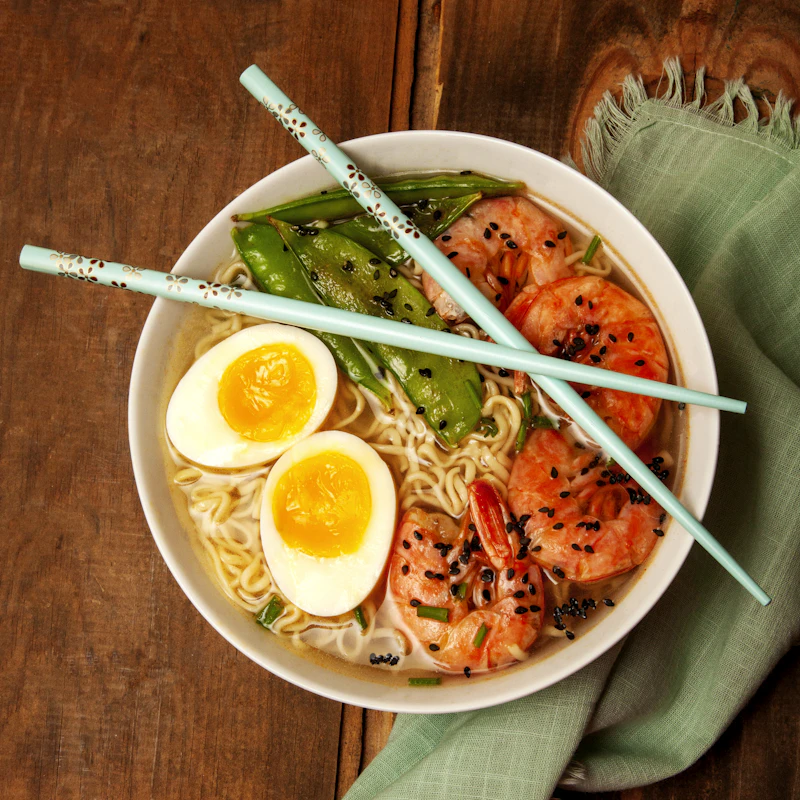
Hakata ramen (博多ラーメン) represents the most recognizable Kyushu food globally, originating in Fukuoka's Hakata ward and now served throughout Japan and internationally. Distinguishing characteristics include a rich tonkotsu (pork bone) broth, simmered for 12-24 hours until milk-white from pulverized bone marrow and collagen, and thin, straight noodles that absorb broth efficiently. The traditional topping combination features chashu (sliced pork), a soft-boiled egg (ajitsuke tamago), kikurage (wood ear mushrooms), sesame seeds, and green onions. A typical Hakata ramen bowl costs ¥800-¥1,200 ($5.52-$8.28 USD).
Yatai (food stalls) operating in Fukuoka's Tenjin, Nakasu, and Hakata station neighborhoods preserve traditional ramen preparation methods and maintain casual communal seating. Counter-only layouts place diners immediately adjacent to the chef, allowing observation of noodle cooking and broth ladling into bowls. Yatai ramen prices undercut restaurants (¥700-¥1,000 / $4.83-$6.90 USD), and the social interaction among strangers sharing close seating spaces represents a distinctive cultural experience. Visitors to Fukuoka should include at least one yatai ramen meal as a non-negotiable cultural experience; the yatai themselves (small wooden structures approximately 2x3 meters) exemplify Japanese efficiency and craftsmanship.
Notable Hakata ramen restaurants include Ichiran (chain throughout Japan, originated in Fukuoka, ¥900/$6.21 USD per bowl) with private booth seating, and Ippudo (major ramen chain with Kyushu roots, ¥900-¥1,100 / $6.21-$7.59 USD). First-time visitors should sample both yatai ramen and established restaurants to understand quality variation and style preferences.
Gotenba Gyoza: Fukuoka's Dumpling Specialty
Fukuoka's Gotenba area specializes in gyoza (dumplings), with over 100 small gyoza shops concentrated in a 400-meter shopping street. These establishments primarily serve gyoza paired with beer (gyoza sets with drinks cost ¥1,500-¥2,500 / $10-$17.25 USD). Gotenba gyoza feature distinctive thin, translucent wrappers and filling emphasizing cabbage and pork, with preparation methods yielding flat-bottomed dumplings with crispy underside and tender top. Ordering typically involves ordering "pots" (pots of 5-10 dumplings, ¥400-¥800 / $2.75-$5.52 USD), encouraging multiple pots throughout evening meals. The gyoza street atmosphere combines communal seating, smoking prevalence, loud conversations, and energetic social engagement—a very authentic local experience contrasting with polished tourist establishments.
Mentaiko and Karashi Mentaiko
Mentaiko (明太子), pollock roe marinated in a spicy, savory sauce, originated in Fukuoka and has become the prefecture's most iconic ingredient. Fresh mentaiko is bright red-orange, with a slightly creamy texture and spicy, umami-rich flavor. The ingredient appears in numerous dishes: mentaiko pasta (¥900-¥1,500 / $6.21-$10.35 USD), mentaiko rice bowls (¥700-¥1,000 / $4.83-$6.90 USD), and standalone mentaiko served with rice as a meal starter. Specialty shops focus exclusively on mentaiko products, offering plain, spicy (karashi-mentaiko), and flavored variants.
Fukuoka's Hakata Station is renowned for mentaiko souvenir shops, where vacuum-sealed mentaiko packages (¥1,500-¥3,000 / $10-$20.69 USD) serve as iconic regional gifts. The ingredient remains fresh for approximately 5 days at room temperature, making it suitable for travel if consumed within a week. Visitors should taste mentaiko fresh while in Fukuoka rather than purchasing packaged versions, as restaurant preparations showcase superior flavor.
Mizutaki: Authentic Chicken Hot Pot
Mizutaki (水炊き) represents Fukuoka's most refined dish, featuring a gentle chicken and vegetable broth, with diners cooking vegetables and chicken pieces at the table. Unlike richer hot pot broths, mizutaki's clarity preserves delicate chicken flavor, and the cooking process emphasizes interaction and social dining. A typical mizutaki meal (two people, ¥4,000-¥8,000 / $28-$55 USD) includes multiple vegetable selections, tender chicken, and finishing rice or noodles cooked in the remaining broth. Traditional mizutaki restaurants occupy historic wooden buildings in Hakata's older neighborhoods; the dining experience balances authentic preparation with refined service and elevated pricing compared to casual street food.
Saga Prefecture: Pottery Heritage and Seafood Tradition
Saga Beef and Japanese Wagyu Culture
Saga Prefecture produces A5-graded Saga Beef (佐賀牛), a premium Wagyu variety rivaling Kobe beef in marbling and quality. Saga cattle, raised on Saga's mineral-rich grasslands and fed carefully controlled diets, develop exceptional intramuscular fat (marbling) scored 8-12 on Japan's 15-point scale. A4-graded and A5-graded Saga beef commands premium prices: a 100-gram serving of A5 beef costs ¥3,000-¥5,000 ($21-$34 USD) at specialty restaurants. Casual yakiniku (grilled meat) restaurants serving A4-graded Saga beef charge ¥2,500-¥4,000 ($17-$28 USD) per person for all-you-can-eat experiences.
Visiting Saga Prefecture specifically for Saga beef consumption represents a legitimate culinary pilgrimage. The city of Takeo concentrates several renowned Saga beef restaurants, including Sakura (grilled beef), Kaminaga (sukiyaki), and Wagyu no Hyakushokuten (variety cuts). Reservations are strongly recommended for premium establishments, particularly on weekends.
Imari Ceramics and Kaiseki Dining
The Imari and Arita regions of Saga are world-famous for ceramic production, with heritage dating to the 17th century when local kilns developed distinctive blue-and-white porcelain (Arita ware) for export to Europe. Contemporary Imari and Arita vessels serve as the presentation vessels for sophisticated kaiseki meals, connecting ceramics heritage to food culture. Several high-end restaurants in Imari and Arita present multi-course meals (¥8,000-¥20,000 / $55-$138 USD per person) featuring local seafood and vegetables prepared with meticulous technique, served on carefully selected ceramics. The experience integrates food preparation, culinary skill, seasonal awareness, and material artistry into a comprehensive aesthetic and sensory experience.
Imari Squid and Coastal Seafood Specialties
Imari's coastal location provides access to fresh squid (ika), with local preparations emphasizing simplicity to showcase delicate flavor. Imari squid sashimi features translucent, tender raw squid (sashimi cost ¥1,500-¥2,500 / $10-$17.25 USD per serving). Grilled squid (yaki-ika) offers textural contrast with charred exterior and tender interior. The nearby Karatsu harbor specializes in hikari-mono (shiny fish—mackerel, horse mackerel, sardines) and shellfish, with prices 30-40% lower than Tokyo at equivalent quality levels.
Nagasaki Prefecture: Christian Heritage and Fusion Cuisine
Shippoku: Fusion of Japanese, Chinese, and Portuguese Traditions
Shippoku (卓袱) cuisine emerged during Nagasaki's period of European trade, developing as a unique fusion of Japanese, Chinese, and Portuguese cooking traditions. The dining style emphasizes multiple small dishes (8-12 courses) presented simultaneously on a large round table, with diners selecting from various options. Dishes feature Portuguese ingredients and preparation methods (bread, egg-based dishes, fried techniques) combined with Japanese and Chinese flavors. A traditional shippoku meal costs ¥5,000-¥12,000 ($34-$83 USD) per person and is served at specialized restaurants concentrated in Nagasaki's historical merchant district.
Notable shippoku establishments include Karatsu, founded in 1632 and operating continuously for nearly 400 years, and Tsumidome, offering shippoku cuisine in a traditional wooden building. Shippoku remains relatively unknown among international travelers, making it an excellent opportunity to experience genuine historical cuisine with minimal commercialization.
Nagasaki Champon: Noodle Fusion
Champon (ちゃんぽん), a noodle dish with Chinese origins adapted to Nagasaki traditions, features wheat noodles in a rich broth loaded with vegetables (cabbage, carrots, mushrooms), seafood (shrimp, scallops, fish cake), and sometimes pork. The distinctive characteristic involves simultaneous cooking of noodles and toppings directly in the broth, concentrating flavors and creating a one-bowl, all-in-one meal. Cost: ¥800-¥1,300 ($5.52-$8.97 USD). Variants include tan-tan champon (with sesame-based broth) and seafood champon (emphasizing marine ingredients).
Ringer Hut, a major champon chain originating in Nagasaki, operates throughout Japan and internationally, making champon accessible even for travelers unable to visit Nagasaki. However, authentic Nagasaki champon from traditional producers (concentrated in Nagasaki's Chinatown area) exhibits superior depth and ingredient quality compared to chain offerings.
Sarudon: Another Nagasaki Noodle Tradition
Saraudon (皿うどん, literally "plate noodles"), another uniquely Nagasaki noodle preparation, features crispy fried noodles topped with a thickened sauce containing vegetables, meat, and seafood. The contrast between crispy fried noodles and soft, savory sauce creates distinctive texture combinations. Cost: ¥700-¥1,200 ($4.83-$8.28 USD). Visitors to Nagasaki should sample both champon and sara udon to appreciate the two foundational noodle traditions.
Kumamoto Prefecture: Horse Sashimi and Basashi Culture
Basashi: Understanding Horse Sashimi
Basashi (馬刺し), thinly sliced raw horse meat, represents Kumamoto's most distinctive and culturally significant food, though it generates significant discomfort among international visitors unfamiliar with the tradition. Horse meat consumption in Kumamoto traces to samurai era traditions when horses provided portable protein during military campaigns. The meat is deep red, with subtle flavor and tender texture when sliced thin. Nutritionally, horse meat is leaner than beef while providing higher iron content and lower fat levels.
Basashi is consumed raw as sashimi, served with soy sauce and wasabi for dipping (cost: ¥1,500-¥3,000 / $10-$20.69 USD per serving). The flavor is mild compared to beef, with a slightly gamey undertone some find off-putting. Culturally, basashi consumption represents a significant tradition in Kumamoto, with production and consumption strictly regulated by Japanese food safety authorities. Basashi remains legal in Japan and represents a legitimate regional food tradition rather than anything illicit.
For travelers uncomfortable with basashi consumption, alternative Kumamoto basashi products include basashi marinated in soy sauce and ginger (slightly easier for newcomers), basashi ceviche-style preparations with citrus, and basashi tataki (briefly seared exterior with raw interior). Some visitors find the psychological barrier diminishes after tasting, as the flavor is less intense than anticipated.
Toriko Nabe: Chicken and Vegetable Hot Pot
Toriko Nabe (鳥焦げ), a Kumamoto hot pot specializing in chicken (tori) and vegetables, offers an alternative to basashi for experiencing local cuisine. The rich chicken broth, simmered for hours, develops concentrated flavor. A typical toriko nabe meal (¥2,500-¥4,000 / $17-$28 USD per person) includes chicken pieces, seasonal vegetables, mushrooms, and broth finishing with rice or noodles. The communal dining format emphasizes social interaction and shared experience.
Akaushi: Red Beef Alternative
Kumamoto's Red Beef (Akaushi, 赤毛, literally "red hair"), refers to Japanese Black cattle breeds with a reddish coat rather than the typical black. Akaushi is less expensive than Wagyu (¥2,000-¥4,000 / $14-$28 USD for high-quality cuts, compared to ¥5,000-¥10,000 / $34-$69 USD for A5 Wagyu) while maintaining excellent marbling and flavor. For travelers prioritizing value over absolute luxury, Akaushi offers superior quality at reasonable prices.
Oita Prefecture: Bungo Seafood and Medicinal Traditions
Bungo Channel Seafood
Oita Prefecture's Bungo Channel provides extraordinary seafood, with high-speed water currents creating ideal conditions for fish and shellfish growth. The region is famous for wild-caught yellowtail (buri), amberjack, and horse mackerel. Fresh Bungo seafood sashimi is available year-round at restaurants throughout Oita, with prices 20-30% below Tokyo equivalent quality. A sashimi platter featuring four different Bungo species (¥1,500-¥2,500 / $10-$17.25 USD) provides exceptional value and quality.
Toriten: Fried Chicken Specialty
Oita's toriten (鶏天) features battered and deep-fried chicken pieces similar to karaage but with subtle regional variation in batter composition and dipping sauce. Toriten is commonly served with a sweet-spicy dipping sauce and garnish of green onions. Cost: ¥700-¥1,200 ($4.83-$8.28 USD). The simple preparation, focus on ingredient quality, and flavor balance exemplifies Kyushu's approach to food: bold, confident, and unpretentious.
Miyazaki and Kagoshima: Southern Specialties
Miyazaki Beef and Production Standards
Miyazaki Prefecture produces premium beef notable for marbling and flavor, though less famous internationally than Saga or Kumamoto beef. The region combines cattle breeding expertise with ideal climate conditions, producing A4-A5 graded beef at 20-30% lower prices than equivalent Wagyu from more prestigious regions. Miyazaki yakiniku (all-you-can-eat) experiences cost ¥3,000-¥5,000 ($21-$34 USD) per person with high-quality beef, representing exceptional value compared to Tokyo yakiniku prices (¥6,000-¥12,000 / $41-$83 USD).
Kagoshima Kurobuta: Black Pork Heritage
Kagoshima's Kurobuta (black pork, 黒豚), raised on the volcanic slopes of Sakurajima, develops distinctive flavor and tender meat texture. Black pork differs from standard pork in slower growth rates, higher fat content, and deeper pork flavor. A kurobuta tonkatsu (breaded, fried pork cutlet) costs ¥2,000-¥4,000 ($14-$28 USD) at specialty restaurants, significantly higher than standard tonkatsu (¥1,000-¥1,500 / $6.90-$10.35 USD) but justified by superior quality and distinctive flavor. Kurobuta hot pot and grilled preparations also showcase the ingredient's distinctive characteristics.
Satsuma-imo: Sweet Potato Heritage
Kagoshima's Satsuma region, historically known for introducing sweet potatoes to Japan (via Chinese trade routes in the 16th century), remains the primary sweet potato production area. The sandy volcanic soil and warm climate create ideal growing conditions. Fresh Satsuma sweet potatoes appear in seasonal dishes throughout fall months (September-November), featured in everything from grilled whole potatoes (¥200-¥400 / $1.38-$2.75 USD at markets) to sophisticated sweet potato desserts and shochu spirits distilled from sweet potato base.
Kyushu Beverages and Spirits
Shochu: Kyushu's Spirit Heritage
Shochu (焼酎), a distilled spirit typically 25-45% alcohol content, originated in Kyushu and remains the region's signature beverage. Unlike sake (brewed from rice), shochu is distilled from various bases: sweet potato (imo-shochu, particularly from Kagoshima and Miyazaki), barley (mugi-shochu, particularly from Oita and Kumamoto), rice (kome-shochu), and specialty variations using chestnuts or sesame. Shochu is traditionally served heated with hot water (oyuwari) or on ice with water, with alcohol content diluted for sipping appreciation. A small glass of quality shochu costs ¥800-¥1,500 ($5.52-$10.35 USD) at restaurants.
Shochu tasting experiences allow sampling different styles and bases, understanding production methods, and appreciating regional variations. Several distilleries throughout Kyushu offer tours and tastings (¥2,000-¥4,000 / $14-$28 USD including transportation and multiple samples).
Yame Tea and Local Beverages
Fukuoka's Yame region produces premium green tea highly regarded among Japanese tea connoisseurs. Fresh Yame tea costs ¥2,000-¥8,000 ($14-$55 USD) per 100-gram package for high grades, making it a suitable premium souvenir. Yame-cha (tea) is served at specialty tea shops and high-end restaurants throughout Fukuoka, with tasting sets (¥1,500-¥3,000 / $10-$21 USD) allowing appreciation of different grades and preparation methods.
Kyushu Food Tours and Regional Exploration
Fukuoka Gourmet Pass and Dining Packages
Fukuoka promotes food tourism through organized dining experiences. The Fukuoka Gourmet Pass (¥3,000-¥5,000 / $21-$34 USD) provides discounts at numerous restaurants featuring signature dishes. Organized food tours (¥8,000-¥15,000 / $55-$103 USD) include transportation between restaurants, guided tastings, and cultural education about regional ingredients and preparation methods.
Market Tours and Ingredient Exploration
Fukuoka's Ohori Market, operating since 1945, provides access to fresh seafood, seasonal vegetables, and specialty ingredients. Early morning tours (starting 6:00-7:00 AM) allow observation of fish auctions, produce trading, and interaction with vendors selling directly to restaurants and consumers. Market tours cost ¥2,000-¥4,000 ($14-$28 USD) and often include breakfast at market-adjacent restaurants featuring fresh catch.
FAQ: Kyushu Regional Foods
Is it necessary to eat basashi when visiting Kumamoto?
No. Basashi is a traditional food with significant cultural importance, but consumption is entirely optional. Kumamoto offers numerous other excellent regional specialties (toriko nabe, akaushi beef, local seafood). Travelers uncomfortable with basashi should explore alternative options without feeling obligated to participate in the tradition.
Can I find Kyushu regional foods outside Kyushu?
Yes, partially. Hakata ramen and champon are available nationally through chains like Ippudo, Ichiran, and Ringer Hut, though quality and authenticity vary. Premium ingredients like Saga beef, Miyazaki beef, and basashi are increasingly available in Tokyo restaurants specializing in Kyushu cuisine. However, consuming regional foods in their home regions provides superior freshness, authenticity, and value compared to Tokyo preparations.
What's the best season for Kyushu food travel?
Kyushu offers excellent eating year-round, but specific seasons feature peak ingredients and specialties. Spring (March-May) emphasizes fresh seafood and young vegetables. Summer (June-August) features light, cooling preparations (hiyamen chilled noodles, kakigori shaved ice) and seasonal fish. Autumn (September-November) emphasizes new rice harvests, chestnuts, and mushrooms, with sweet potato dishes. Winter (December-February) features warming hot pots and miso-based soups. No definitively "best" season exists; optimal timing depends on personal preferences and ingredient interests.
How should I navigate food safety concerns with unfamiliar foods?
Japan maintains strict food safety regulations rivaling any developed nation. All foods served in restaurants undergo health inspections. If concerns exist about specific ingredients, communicate via translation apps with restaurant staff about preparation methods and ingredient sourcing. Major chain restaurants maintain detailed food sourcing documentation. Visiting reputable restaurants and avoiding street vendors in questionable conditions minimizes risks.
What's the most economical way to experience Kyushu cuisine?
Focus on yatai (food stall) meals, local noodle shops, and markets rather than upscale restaurants. A budget of ¥3,000-¥5,000 ($21-$34 USD) daily supports three satisfying regional meals and market snacking. Visiting during shoulder seasons (avoiding holiday periods) secures better accommodation prices, allowing greater food budget allocation. Staying in smaller cities (Takeo for Saga beef, Miyazaki for local beef) provides better value than major tourist cities like Fukuoka.
How to Plan Your Kyushu Regional Foods: From Hakata Ramen to Kumamoto Horse Sashimi Trip: Step-by-Step Guide
As of 2025, Japan is more accessible than ever for independent travelers. Here's how to plan a seamless kyushu regional foods: from hakata ramen to kumamoto horse sashimi experience.
- Decide your dates: Check seasonal conditions, festivals, and peak tourist periods for your destination. Japan's Golden Week (late April–early May) and Obon (mid-August) are the busiest — book 3–4 months ahead if traveling then.
- Book accommodation early: Quality ryokan, budget guesthouses, and city hotels in popular areas sell out fast. Book on Booking.com, Jalan, or Rakuten Travel 2–3 months in advance. Expect ¥8,000–¥25,000 ($55–$172 USD) per night for mid-range options.
- Plan your JR Pass usage: If traveling between multiple regions, a JR Pass (7-day: ¥50,000 / $345 USD; 14-day: ¥80,000 / $552 USD) may save money over individual Shinkansen tickets. Calculate your routes before purchasing.
- Download key apps: Google Maps (offline maps), Google Translate (camera translation mode), HyperDia (train schedules), and Tabelog (restaurant reviews in English) are essential for smooth travel.
- Get cash ready: Japan remains largely cash-based outside major tourist areas. Withdraw ¥30,000–¥50,000 ($200–$345 USD) at 7-Eleven or Japan Post ATMs (both reliably accept foreign cards) on arrival.
- Learn 10 key phrases: "Sumimasen" (excuse me), "arigatou gozaimasu" (thank you), "eigo wa hanasemasu ka?" (do you speak English?), and basic food allergy phrases go a long way toward smooth interactions.
- Build in flexibility: Japan rewards spontaneity. Leave at least 20% of each day unscheduled for serendipitous discoveries — a tiny ramen shop with a line outside, a festival you didn't know was on, or a neighborhood you stumbled into.
FAQ: Kyushu Regional Foods: From Hakata Ramen to Kumamoto Horse Sashimi
When is the best time to visit for kyushu regional foods: from hakata ramen to kumamoto horse sashimi in Japan?
As of 2025, Japan's best travel windows depend on your priorities. Spring (late March–early May) offers cherry blossoms and mild weather but peak crowds. Autumn (October–November) brings spectacular foliage with fewer tourists than spring. Summer (June–August) is hot and humid but rich with festivals. Winter (December–February) is cold but offers snow scenery, fewer crowds, and lower accommodation prices outside ski resorts.
How much should I budget per day in Japan?
Budget travelers spending ¥6,000–¥10,000 ($41–$69 USD) per day can eat well at convenience stores and local restaurants, use public transport, and stay in hostels or budget guesthouses. Mid-range travelers spending ¥15,000–¥30,000 ($103–$207 USD) enjoy comfortable hotels, full restaurant meals, and museum admissions. Luxury travelers spending ¥50,000+ ($345 USD) can access ryokan, kaiseki dining, and premium experiences.
Do I need to speak Japanese to enjoy this experience?
English proficiency among younger Japanese has improved significantly. As of 2025, major tourist sites, hotels, and restaurants in cities typically have English menus and signage. Google Translate's camera function handles most written Japanese on the fly. Learning 10–20 basic phrases dramatically improves interactions in less-touristed areas. Japan's culture of hospitality (omotenashi) means locals will go out of their way to help even with limited shared language.
Is Japan safe for solo travelers and tourists?
Japan consistently ranks among the world's safest countries for travelers. Violent crime against tourists is extremely rare. Lost wallets and belongings are frequently turned in to police boxes (koban). Solo female travelers routinely report feeling safer in Japan than anywhere else they've visited. Standard travel precautions apply — keep copies of important documents and be aware of your surroundings in busy entertainment districts late at night.
What is the easiest way to get around Japan?
Japan's public transport system is the world's most reliable and comprehensive. The JR Pass offers unlimited Shinkansen and limited express train travel (7-day: ¥50,000 / $345 USD; 14-day: ¥80,000 / $552 USD). IC cards (Suica, Pasmo) cover all city subways, buses, and many taxis. For rural areas, rental cars provide freedom — international driving permits are accepted and roads are well-signed in both Japanese and Roman characters.
What should I pack for this experience in Japan?
Essential items: IC transport card (load on arrival), pocket wifi or SIM card (reserve online before departure for ¥500–¥1,000 / $3.50–$7 USD per day), comfortable walking shoes (expect 15,000–25,000 steps daily), small cash reserve in yen (many small shops and vending machines are cash-only), and a compact umbrella (Japan's weather changes quickly). Leave bulky luggage at your hotel and use takkyubin (luggage forwarding services, ¥1,500–¥2,500 / $10–$17 USD per bag) to travel between cities unencumbered.