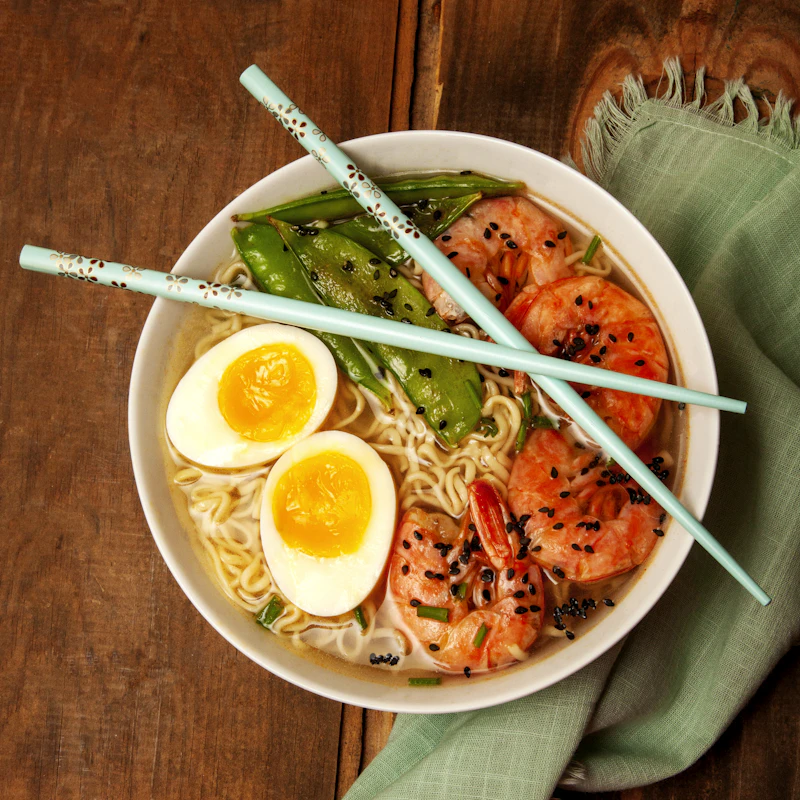
What Is Soba?
Soba (蕎麦) is Japanese buckwheat noodle soup—thinner and more delicate than udon, with a subtle earthy, slightly nutty flavor distinct from wheat noodles. Soba is refined, lighter, and considered more elegant than udon in Japanese dining hierarchy.
Soba pairs exceptionally well with delicate broths and is often served cold (zaru soba) in summer. It's accessible, affordable, and deeply integrated into Japanese food culture.
The Noodles
Soba Characteristics
- Thickness: 1-2mm diameter (much thinner than udon)
- Texture: Slightly springy, delicate, breakable
- Color: Gray-brown from buckwheat
- Flavor: Subtle, earthy, slightly nutty
- Origin: Buckwheat flour (that's what makes soba unique)
Soba Quality Variations
100% buckwheat soba (Juwari soba): Pure buckwheat, most delicate flavor, most expensive.
10% wheat soba (standard): Wheat flour added for binding strength. Most common format.
Thinner wheat soba: When soba becomes mostly wheat, it's lower quality (though still delicious).
Better restaurants proudly display their soba's buckwheat percentage.
Regional Soba Styles
Edomae Soba (Tokyo/Edo Style)
The classic, original soba style. Developed in Tokyo during the Edo period.
Characteristics: Dark dipping sauce (tsuyu), simple presentation, focused on noodle quality
Typical format: Zaru soba or kake soba
Nagano Soba (Shinshu Soba)
From Nagano prefecture, famous for quality buckwheat. Thicker noodles than standard soba.
Characteristics: Chewy texture, bold buckwheat flavor, hearty
Note: Nagano is soba country. Visit for the best regional experience.
Kyoto Soba
Lighter dashi broth, more delicate preparation. Tofu often features in toppings.
Characteristics: Elegant, refined, vegetable-forward
Fukuoka Ramen-Soba
Not exactly soba but Chinese-influenced noodle dishes served in Fukuoka alongside ramen.
Tsuwano Soba (Shimane Prefecture)
Served in a specific ceramic bowl style with raw egg cracked on top. Very specific preparation.
Types of Soba Dishes
Zaru Soba (Cold Soba)
Cold noodles served on a bamboo mat with dipping sauce (tsuyu) on the side. Summer classic.
Toppings: Wasabi, nori (seaweed), sometimes tempura bits
Price: ¥600-1,200
Best for: Summer or when you want to taste the noodles' delicate flavor
Kake Soba (Hot Soba)
Hot noodles in light dashi broth with minimal toppings.
Toppings: Green onion, nori, sometimes tempura scraps
Price: ¥400-800
Best for: Winter, when you want warming comfort
Tempura Soba
Soba topped with shrimp or vegetable tempura. Can be hot or cold.
Variations:
- Tori tempura soba: Chicken tempura
- Kakiage soba: Mixed vegetable tempura
- Ebi tempura soba: Shrimp tempura
Price: ¥700-1,300
Nori Soba (Seaweed Soba)
Soba served with strips of seaweed (nori) as the primary topping.
Characteristics: Light, elegant, emphasizes delicate noodles
Price: ¥500-900
Chikara Soba
Soba with mochi (rice cake) inside. The mochi adds interesting texture.
Characteristics: Chewy mochi contrasts with delicate noodles
Price: ¥600-1,000
Goba Soba
Soba with burdock root (gobo)—earthy, slightly sweet vegetable.
Characteristics: Vegetable-forward, healthy
Price: ¥600-1,000
Buckwheat Crepe (Soba Gaki)
Thickened buckwheat served as a crepe-like shape with dipping sauce.
Characteristics: Unique texture, nutty flavor, specialty item
Price: ¥400-700
Restaurant Types
Traditional Soba Houses (Sobaya)
Specialized soba restaurants, often with decades of history:
- Handmade soba noodles
- Simple, focused menu
- Counter or table seating
- Intimate atmosphere
- ¥500-1,500 per meal
Famous Tokyo sobaya: Yonemura, Sarashina Horai
Soba Chains
Nationwide chains providing consistent quality:
Yayoiken: Popular chain, self-service format
Sobatei: Casual soba chain
Local regional chains: Vary by area
- Self-service or quick counter service
- Budget-friendly
- Predictable quality
Price: ¥400-900
Standing Soba Shops (Tachi-gui Sobaya)
Quick, informal stand-up counters:
- No seating
- 5-minute meals
- Very affordable
- High volume turnover
Price: ¥300-600
Popular in: Train stations, busy areas
Department Store Food Halls
Premium soba sold as bento:
- High quality
- Beautiful presentation
- Take-out focused
Price: ¥800-1,500
Soba with Other Dishes
Many restaurants serve soba alongside other dishes:
- Udon and soba combo restaurants
- Ramen shops with soba options
- Izakayas
How to Order Soba
At Traditional Restaurants
Step 1: Sit at counter or table
Step 2: Receive menu or point at display
Step 3: Order verbally:
- "Zaru soba kudasai" (Cold soba, please)
- "Kake soba onegaishimasu" (Hot soba, please)
- "Tempura soba" (Soba with tempura)
Step 4: Specify quantity: "Hitotsu" (one bowl)
Step 5: Wait 5-10 minutes for fresh soba
At Chains/Standing Shops
Step 1: Order at counter or kiosk
Step 2: Select soba type and toppings
Step 3: Pay immediately
Step 4: Receive hot soba and eat at counter
Menu Understanding
- Kake: Hot noodles in broth
- Zaru: Cold noodles with dipping sauce
- Tenzaru: Cold soba with tempura
- Tori soba: With chicken
- Gobo soba: With burdock
- Yama: Mountain soba (tempura variety)
Eating Soba Properly
Cold Soba (Zaru) Technique
Step 1: Lift noodles from bamboo mat using chopsticks
Step 2: Dip into the dipping sauce bowl
Step 3: Slurp audibly
Step 4: Repeat until noodles are consumed
Step 5: When finished, pour the remaining dipping sauce into the noodle water that's been left on the bamboo mat—this diluted sauce is meant to be sipped
Hot Soba (Kake) Technique
Step 1: Use chopsticks to lift noodles
Step 2: Slurp directly from the bowl
Step 3: Drink the remaining broth at the end
Step 4: Eat any toppings between noodles
Critical Etiquette Point
The dipping sauce's remaining amount should be poured into the hot water left behind after you've eaten the noodles. This creates a light broth meant to be sipped—it's the perfect finale to a cold soba meal.
Price Guide
- Basic soba (standing shop): ¥300-500
- Soba with tempura: ¥700-1,100
- Premium specialty soba: ¥800-1,500
- Traditional restaurant soba: ¥600-1,200
- Specialty regional soba: ¥800-2,000+
Practical Tips for Tourists
Zaru soba in summer: Perfectly refreshing seasonal experience.
Kake soba in winter: Warming and comforting.
Try both: Order one hot and one cold to compare.
Slurp without hesitation: Soba is meant to be slurped. The thin noodles require slurping.
Respect the final sauce ritual: That final dipping sauce → hot water mixture is part of the experience.
Ask for wasabi: "Wasabi kudasai" if you want spicy heat added.
Visit Nagano: Shinshu soba from Nagano prefecture is exceptional. Pilgrimage-worthy.
Dipping sauce strength: You can add more broth to the dipping sauce if it's too strong.
Noodle aroma: Soba's subtle buckwheat aroma is part of the experience. Appreciate it.
Standing shops: Try a standing soba shop for the pure, quick experience.
Why Soba Matters
Soba teaches you about Japanese aesthetic principles: subtlety, elegance, and refinement. Unlike ramen (bold, brash) or udon (hearty, comforting), soba is delicate and nuanced.
The buckwheat flavor is distinctly Japanese—not found in Western food—and represents Japan's regional agricultural heritage.
Most importantly, soba's simplicity is deceptive. A truly excellent cold soba—with delicate handmade noodles, proper dipping sauce, and finished with that sauce → hot water ritual—is a complete culinary experience in minimalism.
Try soba. Appreciate the subtlety. Understand why Japanese people revere this simple noodle.