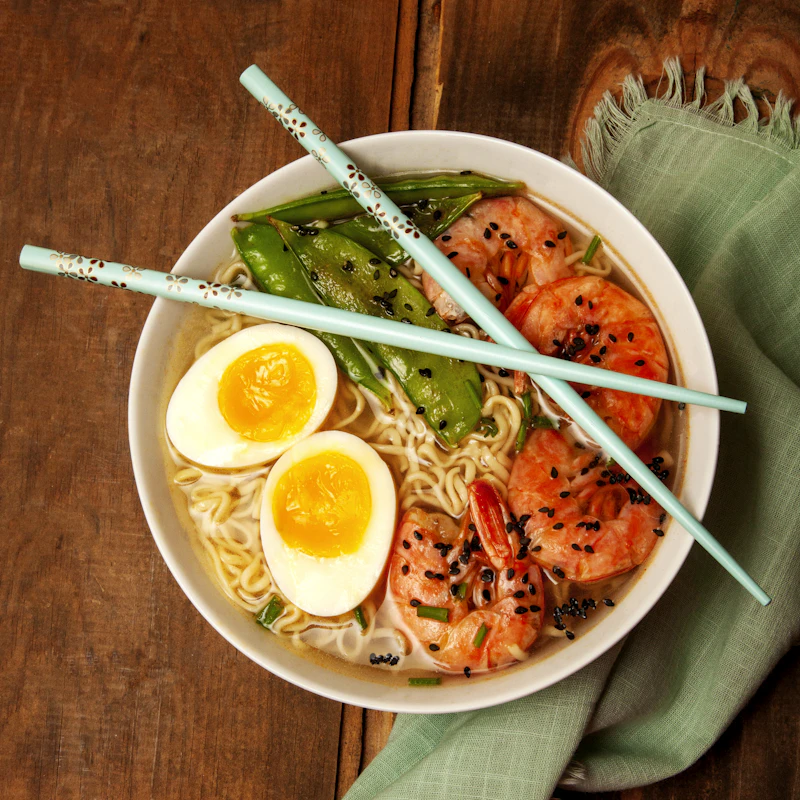
Instant ramen (ramen noodles) is one of Japan's greatest contributions to global food culture. Invented in 1958, instant ramen has spread to virtually every country, becoming comfort food for college students, backpackers, and people seeking quick, affordable meals. Yet most people eating instant ramen globally experience only the most basic versions—cheap, heavily salted packets from convenience stores. In Japan, instant ramen has evolved into sophisticated food with regional variations, premium brands, specialized cooking techniques, and serious enthusiasts who approach instant ramen with the same devotion wine aficionados bring to wine. Understanding Japanese instant ramen culture means appreciating how affordable food can be elevated through attention, technique, and quality ingredients.
The History: From Innovation to Global Phenomenon
Momofuku Ando invented instant ramen in 1958 while observing post-war Japan's food scarcity. Ando's innovation—pre-cooked noodles flash-fried and dried—created shelf-stable food requiring only boiling water. Initial adoption was slow, but by the 1960s, instant ramen had become ubiquitous. By the 1970s, instant ramen was present in virtually every Japanese home.
The invention was revolutionary: it democratized noodle eating, making restaurant-quality food accessible to everyone. A bowl of instant ramen cost a fraction of restaurant ramen yet provided similar satisfaction and nutrition.
Understanding Instant Ramen Varieties
Categories:
Standard Ramen: Most basic instant ramen, featuring thin noodles, simple flavor packet, minimal ingredients. ¥100-¥150 per package. This is what most global consumers know.
Premium Ramen: Using higher-quality noodles (thicker, better texture), more complex flavoring, sometimes with added ingredients (freeze-dried meat, vegetable pieces). ¥300-¥600 per package.
Regional Brand Ramen: Ramen packaged to specifically mimic regional restaurant styles—Hakata tonkotsu, Miso ramen, Shio ramen. ¥300-¥800 per package.
Famous Shop Ramen: Direct replicas of famous ramen restaurants' recipes, licensed by restaurants. ¥400-¥1,200 per package. These are serious products, designed to recreate restaurant experience.
Collaboration Ramen: Limited editions featuring celebrity chefs, famous restaurants, or unique flavor combinations. ¥500-¥2,000 per package. These are collectible for enthusiasts.
Regional Instant Ramen Brands
Hakata Ramen: Multiple brands offer Hakata tonkotsu-style instant ramen. Myojo's "Charumera" brand is popular. These feature thin noodles and creamy tonkotsu-style flavoring. ¥300-¥500 per package.
Hokkaido Miso Ramen: Sapporo-style instant ramen with miso-based flavoring, often including butter and corn. ¥400-¥700 per package.
Kyoto Ramen: Premium versions with sophisticated broth flavoring. ¥600-¥1,200 per package.
Okinawa Soba: Different from mainland ramen, using regional flavoring. ¥300-¥600 per package.
Local Specialties: Each region has local instant ramen brands reflecting regional cuisine. Seeking these when traveling creates collection and tasting opportunity.
Premium Instant Ramen Brands
Myojo Boss Ramen: Premium line from major producer, using higher-quality ingredients and more complex flavoring. ¥400-¥800 per package.
Nissin UFO Yakisoba: Premium line available at specialty shops. ¥500-¥900 per package.
Local Producers: Many regions have small producers creating premium instant ramen. These cost more (¥800-¥2,000 per package) but offer exceptional quality.
Cooking Instant Ramen Like a Pro
Basic Preparation (the way most people do it):
- Boil water
- Add noodles
- Cook 3-4 minutes
- Add flavor packet
- Serve
While this works, better technique improves results significantly.
Pro Technique:
- Boil Water: Use quality water if possible (filtered or spring water makes subtle difference)
- Cook Noodles First: Add noodles to boiling water, cook for specified time (typically 3-4 minutes, but check package)
- Reserve Noodle Water: Before draining, scoop out ¼ cup of starchy noodle cooking water
- Drain Well: Don't just drain—let noodles sit in colander for 10 seconds to remove excess moisture
- Prepare Broth: In a bowl, add flavor packet, hot water, reserved noodle water
- Add Noodles: Transfer drained noodles to broth
- Enhance: Add optional ingredients—butter, egg, vegetables, meat
The reserved starchy noodle water adds creaminess and body to the broth—a technique learned from restaurant ramen preparation.
Upgrading Instant Ramen with Add-Ins
Basic instant ramen improves dramatically with simple add-ins:
Protein:
- Egg: Soft-boiled or raw (raw cooks slightly in hot broth). Creates richness.
- Chashu (braised pork): If you have leftover or purchase small amounts from Asian shops
- Rotisserie Chicken: Shredded chicken adds protein and quality
- Tofu: Cubed and added at cooking
Vegetables:
- Spinach: Blanched quickly, adds nutrition and color
- Green Onion (Negi): Sliced, adds freshness
- Mushrooms: Sliced and cooked with noodles
- Bamboo Shoots (Menma): If you can find preserved versions
- Corn: Frozen corn works fine
Seasonings:
- Butter: ½ teaspoon creates richness
- Sesame Oil: Small drizzle adds aroma
- Soy Sauce: Additional soy sauce deepens flavor
- Miso Paste: Small amount adds depth
- White Pepper: Pinch adds subtle heat
- Chili Oil: For spice
Technique: Some add-ins go in before noodles (vegetables), others after (green onion, butter). Consider cooking order for best results.
Instant Ramen for Travel and Backpacking
Instant ramen's biggest advantage is portability. Lightweight, shelf-stable, cheap, requiring only boiling water—it's perfect for travel.
Packing Strategy:
- Bring lightweight flavor-only packets if possible (reduces weight compared to noodle-plus-broth packages)
- Pack small container of butter packets for richness
- Include dried seaweed for nutrition and flavor
- Consider small container of chili oil or hot sauce
Cooking While Traveling:
- Hotels often have electric kettles (or will provide boiling water)
- Hostels typically have kitchen access
- Ask hotels if you can use kettle—most accommodate
- Traveling with collapsible bowl and utensils saves weight
Instant Ramen Collecting
Some Japanese instant ramen enthusiasts collect regional varieties, limited editions, and collaborations.
What to Collect:
- Regional varieties from each prefecture you visit
- Limited edition collaborations
- Famous restaurant licensed instant ramen
- Historical packages (older packages have collectible value)
Storage: Store in cool, dry places away from sunlight. Properly stored, instant ramen keeps 5+ years (though quality declines slightly over time).
Community: Online forums and social media communities discuss instant ramen, share photos, recommend discoveries. If interested, these communities are surprisingly sophisticated.
Instant Ramen in Japanese Culture
Food, Not Shame: In Japan, eating instant ramen is normal across all socioeconomic groups. It's not shameful to eat cheaply—it's practical and smart.
Evening Snack: Many Japanese people eat instant ramen late night as snack or light meal after drinking. It's perfect for quick, satisfying food at midnight.
Childhood Memory: Many Japanese grew up eating instant ramen, creating nostalgic connection to specific brands or flavors.
University Food: College students in Japan eat instant ramen frequently—it's affordable food for tight budgets.
Cooking Skill: Learning to make good instant ramen is considered basic cooking skill. Parents teach children; friends teach friends.
Instant Ramen Vs. Fresh Ramen
This isn't competition but different foods:
Instant Ramen:
- Affordable
- Shelf-stable
- Accessible
- More processed
- Simpler broth (typically one-note)
- Consistent quality
Fresh Ramen:
- More expensive
- Requires fresh preparation
- Complex, nuanced broth
- Variable quality based on shop
- More satisfying for many people
- Worth seeking but not always accessible
Most Japanese people eat both—instant ramen for convenience, fresh ramen as treat or social experience.
Budget and Where to Buy
Supermarkets: ¥100-¥200 for basic varieties
Convenience Stores: ¥150-¥300 for standard to premium brands
Specialty Shops: ¥300-¥2,000 for regional, premium, or limited edition varieties
Farmers Markets: Sometimes feature local producers' instant ramen at reasonable prices
Instant Ramen as Souvenir
Buying regional instant ramen from each prefecture you visit creates collection and gift opportunity.
Best Instant Ramen Souvenirs:
- Famous restaurant licensed instant ramen (¥500-¥1,500 per package)
- Regional specialties from prefectures (¥300-¥800)
- Premium brands from specialty shops (¥800-¥2,000)
- Assorted packs featuring multiple regional varieties (¥2,000-¥5,000)
These travel well, are affordable, and people appreciate them more than standard souvenirs.
Cooking Instant Ramen at Its Best
The highest expression of instant ramen cooking acknowledges that while it's affordable food, technique and ingredient quality matter.
Use filtered water, quality flavor packet (not the cheapest), add-ins that complement the broth, proper cooking timing, and serve immediately while hot. This transforms instant ramen from survival food into genuinely delicious meal—nothing fancy, but deeply satisfying and demonstrating that care and attention elevate even humble food.
Conclusion
Instant ramen represents something important about food culture: it democratized noodle eating, proving that affordable food can be delicious and nutritious. From its invention in post-war Japan to its current status as global comfort food, instant ramen shows how Japanese innovation and practical thinking can create lasting impact. Whether you're eating basic instant ramen in a hostel, exploring regional varieties during travels, or preparing premium instant ramen with careful technique and quality add-ins, you're participating in food culture that has shaped billions of people's meals. That's not something to dismiss—it's something to appreciate, explore, and enjoy.
Last updated: May 2025. Information verified for the current travel season.
How to Plan Your Instant Ramen: A Connoisseur's Serious Guide Trip: Step-by-Step Guide
As of 2025, Japan is more accessible than ever for independent travelers. Here's how to plan a seamless instant ramen: a connoisseur's serious guide experience.
- Decide your dates: Check seasonal conditions, festivals, and peak tourist periods for your destination. Japan's Golden Week (late April–early May) and Obon (mid-August) are the busiest — book 3–4 months ahead if traveling then.
- Book accommodation early: Quality ryokan, budget guesthouses, and city hotels in popular areas sell out fast. Book on Booking.com, Jalan, or Rakuten Travel 2–3 months in advance. Expect ¥8,000–¥25,000 ($55–$172 USD) per night for mid-range options.
- Plan your JR Pass usage: If traveling between multiple regions, a JR Pass (7-day: ¥50,000 / $345 USD; 14-day: ¥80,000 / $552 USD) may save money over individual Shinkansen tickets. Calculate your routes before purchasing.
- Download key apps: Google Maps (offline maps), Google Translate (camera translation mode), HyperDia (train schedules), and Tabelog (restaurant reviews in English) are essential for smooth travel.
- Get cash ready: Japan remains largely cash-based outside major tourist areas. Withdraw ¥30,000–¥50,000 ($200–$345 USD) at 7-Eleven or Japan Post ATMs (both reliably accept foreign cards) on arrival.
- Learn 10 key phrases: "Sumimasen" (excuse me), "arigatou gozaimasu" (thank you), "eigo wa hanasemasu ka?" (do you speak English?), and basic food allergy phrases go a long way toward smooth interactions.
- Build in flexibility: Japan rewards spontaneity. Leave at least 20% of each day unscheduled for serendipitous discoveries — a tiny ramen shop with a line outside, a festival you didn't know was on, or a neighborhood you stumbled into.
FAQ: Instant Ramen: A Connoisseur's Serious Guide
When is the best time to visit for instant ramen: a connoisseur's serious guide in Japan?
As of 2025, Japan's best travel windows depend on your priorities. Spring (late March–early May) offers cherry blossoms and mild weather but peak crowds. Autumn (October–November) brings spectacular foliage with fewer tourists than spring. Summer (June–August) is hot and humid but rich with festivals. Winter (December–February) is cold but offers snow scenery, fewer crowds, and lower accommodation prices outside ski resorts.
How much should I budget per day in Japan?
Budget travelers spending ¥6,000–¥10,000 ($41–$69 USD) per day can eat well at convenience stores and local restaurants, use public transport, and stay in hostels or budget guesthouses. Mid-range travelers spending ¥15,000–¥30,000 ($103–$207 USD) enjoy comfortable hotels, full restaurant meals, and museum admissions. Luxury travelers spending ¥50,000+ ($345 USD) can access ryokan, kaiseki dining, and premium experiences.
Do I need to speak Japanese to enjoy this experience?
English proficiency among younger Japanese has improved significantly. As of 2025, major tourist sites, hotels, and restaurants in cities typically have English menus and signage. Google Translate's camera function handles most written Japanese on the fly. Learning 10–20 basic phrases dramatically improves interactions in less-touristed areas. Japan's culture of hospitality (omotenashi) means locals will go out of their way to help even with limited shared language.
Is Japan safe for solo travelers and tourists?
Japan consistently ranks among the world's safest countries for travelers. Violent crime against tourists is extremely rare. Lost wallets and belongings are frequently turned in to police boxes (koban). Solo female travelers routinely report feeling safer in Japan than anywhere else they've visited. Standard travel precautions apply — keep copies of important documents and be aware of your surroundings in busy entertainment districts late at night.
What is the easiest way to get around Japan?
Japan's public transport system is the world's most reliable and comprehensive. The JR Pass offers unlimited Shinkansen and limited express train travel (7-day: ¥50,000 / $345 USD; 14-day: ¥80,000 / $552 USD). IC cards (Suica, Pasmo) cover all city subways, buses, and many taxis. For rural areas, rental cars provide freedom — international driving permits are accepted and roads are well-signed in both Japanese and Roman characters.
What should I pack for this experience in Japan?
Essential items: IC transport card (load on arrival), pocket wifi or SIM card (reserve online before departure for ¥500–¥1,000 / $3.50–$7 USD per day), comfortable walking shoes (expect 15,000–25,000 steps daily), small cash reserve in yen (many small shops and vending machines are cash-only), and a compact umbrella (Japan's weather changes quickly). Leave bulky luggage at your hotel and use takkyubin (luggage forwarding services, ¥1,500–¥2,500 / $10–$17 USD per bag) to travel between cities unencumbered.